Why Is My Betta Fish Swimming Sideways? Understanding the Possible Causes
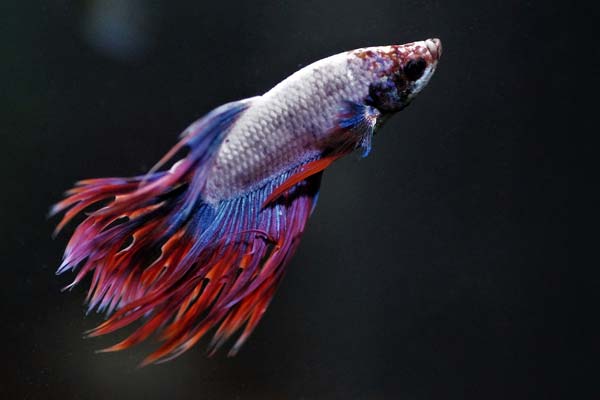
Seeing your betta fish swimming sideways or floating upside down in its tank can be alarming. This abnormal behavior can be a sign of an underlying health condition. There are several reasons why a betta fish may be swimming sideways, including swim bladder disease, overfeeding, parasites, bacterial infections, and stress.
Swim bladder disease is a common disorder in betta fish that affects their buoyancy. It occurs when the swim bladder becomes swollen, making it difficult for the fish to maintain its balance in the water.
Overfeeding can also cause swim bladder problems as excess food can pressure the swim bladder. In addition, poor water conditions, such as dirty or cold water, can also lead to swim bladder issues and sideways swimming in betta fish.
To diagnose the issue with your betta fish, observe their behavior and check for symptoms such as lethargy, loss of appetite, or discoloration. To treat sideways swimming, adjust water conditions, reduce feeding, and administer medication if necessary.
Preventative measures, such as maintaining a clean tank and avoiding overfeeding, can also help prevent swim bladder disease and other health issues in betta fish.
Key Takeaways
- Sideways swimming in betta fish can indicate swim bladder disease or other health issues.
- Overfeeding and poor water conditions can contribute to swim bladder problems and sideways swimming.
- Treatment and prevention options include adjusting water conditions, reducing feeding, and administering medication.
Anatomy and Physiology
Betta fish have a unique anatomy that enables them to swim and move through the water. Understanding their anatomy and physiology can help diagnose and treat why they swim sideways.
Swim Bladder Function
The swim bladder is an organ in a fish’s abdominal cavity that helps them control their buoyancy and maintain an upright position in the water. A gas-filled sac allows the fish to float or sink as needed.
When a betta fish’s swim bladder functions correctly, it inflates and deflates to allow the fish to move up and down in the water column. However, if the swim bladder becomes damaged or diseased, it can cause the fish to swim sideways or upside down.
Swim bladder disorders are common in betta fish and can be caused by various factors, including poor water quality, overfeeding, and genetics. Additionally, changes in temperature and pressure can also affect the swim bladder’s function.
If a betta fish is swimming sideways, it is essential to determine whether the swim bladder is the cause. Other symptoms of swim bladder disorder include difficulty swimming, floating at the surface or bottom of the tank, and losing appetite.
Causes of Sideways Swimming
Sometimes, they may exhibit unusual behavior, such as swimming sideways. This can be a cause for concern for pet owners. This section will explore some common reasons for sideways swimming in betta fish.
Swim Bladder Disorder (SBD)
Sideways swimming in betta fish is often associated with swim bladder disorder (SBD). The swim bladder, an internal organ responsible for maintaining buoyancy, can be affected by diseases or injuries, leading to abnormal swimming behavior.
Fish with SBD may exhibit erratic movements or even float upside down. Several factors can contribute to SBD, including overfeeding, constipation, bacterial infections, and sudden changes in water temperature.
Genetic Predisposition
Genetic factors can contribute to swim bladder disorders and sideways swimming in betta fish. Poor breeding practices and inbreeding increase the likelihood of such health issues. To minimize the risk of genetic problems, purchasing betta fish from reputable breeders who prioritize responsible breeding practices is essential.
Environmental Factors
Sideways swimming in betta fish can be caused by various factors such as poor water quality, temperature fluctuations, and stress. Poor water quality can lead to infections and parasites affecting the swim bladder.
Sudden temperature changes and stress weaken the fish’s immune system, making them more prone to health issues. Overcrowding, lack of hiding places, and aggressive tank mates can also induce stress.
To prevent sideways swimming, maintain optimal water quality, stable temperature, and provide a stress-free environment. Feeding a balanced diet and avoiding overfeeding is essential.
If symptoms persist, consult a veterinarian specializing in fish health for proper diagnosis and treatment.
Diagnosing the Issue
When a betta fish starts swimming sideways, it can be a sign that something is wrong. Diagnosing the issue can be a challenge, but there are a few steps that can help determine the cause.
Observing Fish Behavior
The first step in diagnosing the issue is to observe the fish’s behavior. If the fish is swimming sideways or upside down, it could be a sign of swim bladder disease (SBD). However, if the fish is also lethargic or has a bloated belly, it could be a sign of other health issues.
It is also essential to observe the fish’s appetite. If the fish is not eating, it could be a sign of SBD or other health issues. If the fish is eating but still swimming sideways, it could be a sign of SBD.
Additional Symptoms
In addition to observing the fish’s behavior, there are other symptoms to look out for. If the fish is crooked or has a bloated belly, it could be a sign of SBD. However, if the fish also shows signs of stress, such as darting around the tank or hiding, it could be a sign of other health issues.
It is important to note that swim bladder disease is not the only health issue that can cause a betta fish to swim sideways. Other health issues that can cause this behavior include kidney problems, infections, and tumors.
Treating Sideways Swimming
If you notice your betta fish swimming sideways, it is crucial to take action to address the underlying cause. Here are some steps you can take to help your fish recover:
Isolate and Monitor
To prevent the spread of disease and closely monitor a sick fish, isolate it in a quarantine tank. This separate tank will keep other fish safe and allow for better observation and treatment.
Adjust Feeding Habits
To avoid swim bladder disease caused by overfeeding, regulating your betta fish’s feeding is essential. Decrease the food given and distribute it into smaller portions throughout the day rather than feeding one large meal. This adjustment helps prevent constipation, a common swim bladder disease development factor.
Improve Water Quality
Poor water quality can also contribute to swim bladder disease and other illnesses. Perform frequent water changes and test the water regularly to ensure the pH, ammonia, nitrite, and nitrate levels are within acceptable ranges.
Address Environmental Factors
Environmental factors such as water flow, tank size, and temperature can also affect your betta’s health. Provide your betta with a clean tank with plenty of hiding spots, and ensure the water temperature is between 76-82°F.
Consult a Veterinarian
If your betta fish continues to swim sideways despite your efforts to improve their condition, consult a veterinarian specializing in fish health. They may recommend medications, antibiotics, or surgery depending on the underlying cause of the swim bladder disease.
Remember, the best way to keep your betta fish healthy is to provide them with a clean and suitable environment and to monitor their behavior regularly. With proper care, your betta can live a long and healthy life.
Preventing Sideways Swimming
If your Betta fish swim sideways, it could be due to various reasons, including swim bladder disease, stress, or poor water quality. Preventing sideways swimming requires proper tank setup, consistent water maintenance, and a balanced diet.
Proper Tank Setup
To prevent sideways swimming, setting up the tank properly is vital. The tank should be large enough to accommodate your Betta fish comfortably, with plenty of hiding places and plants. The water temperature should be between 76 and 82 degrees Fahrenheit, and a water tank heater can be used to maintain the temperature.
Consistent Water Maintenance
Consistent water maintenance is crucial to prevent sideways swimming. The tank water should be kept clean and clear by performing regular water changes, vacuuming the gravel, and cleaning the ornaments.
A water conditioner can remove chlorine and other harmful chemicals from the water. The pH and nitrate levels should be monitored regularly to ensure they are within the appropriate range.
Balanced Diet and Feeding
A balanced diet is essential to prevent sideways swimming. Betta fish should be fed various foods, including pellets, flakes, and frozen or live foods. Overfeeding can lead to constipation and swim bladder problems, so feeding your Betta fish only what they can consume in a few minutes is essential. Fasting your Betta fish for a day or two each week can also help prevent swim bladder problems.
In addition to the above, watching for signs of stress or shock in your Betta fish is essential. Air gulps and lethargy indicate a lack of oxygen in the water, while clamped fins and loss of appetite can indicate stress. If you notice any of these signs, immediately correct the problem.
Conclusion
In conclusion, a betta fish swimming sideways can be caused by various factors such as swim bladder disease, poor water quality, and temperature shock. Betta fish owners must monitor their fish’s behavior and take appropriate action if they notice unusual swimming patterns.
Keeping the tank clean and ensuring the water is at the right temperature can help prevent swim bladder disease and other health issues.
If a betta fish is persistently swimming sideways or displaying other abnormal behavior, it may be time to seek professional help from a veterinarian or aquatic specialist. These experts can provide a diagnosis and recommend appropriate treatment options.
Act quickly if a betta fish displays swim bladder disease or other health issues, as these conditions can be fatal if left untreated.
Responsible ownership is critical to ensuring the health and well-being of betta fish. This includes providing a clean and appropriate tank environment, feeding the fish a balanced diet, and monitoring their behavior for signs of illness or distress. Educating oneself on betta fish care and seeking professional advice is also essential.