Can Cory Catfish Live with Goldfish? Unveiling the Compatibility Secrets!
When keeping fish together in a tank, it’s crucial to consider compatibility. One common question among aquarium enthusiasts is whether cory catfish can live with goldfish. While it may seem like a good idea to mix these two species, the truth is that it’s generally not recommended.
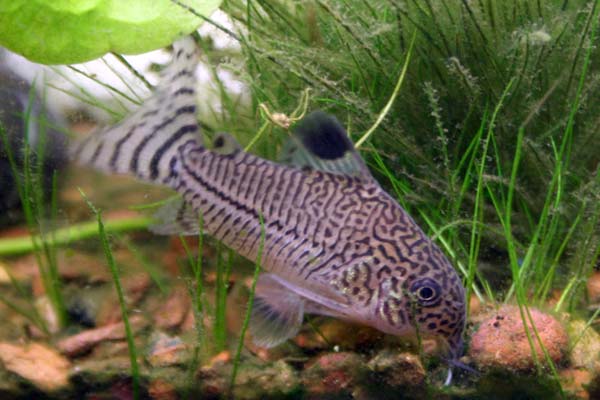
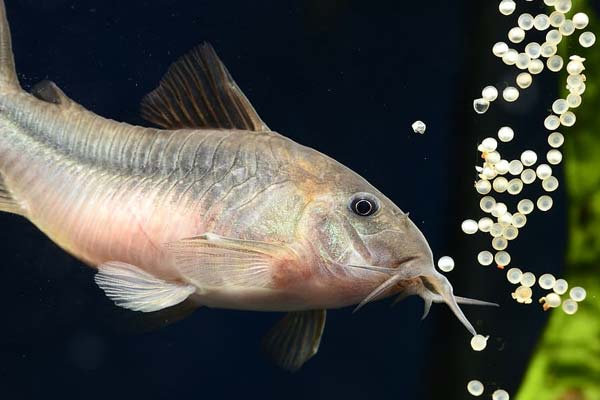
Cory catfish are small, peaceful fish often kept in community tanks. They are known for being easy to care for and are popular among beginner aquarists.
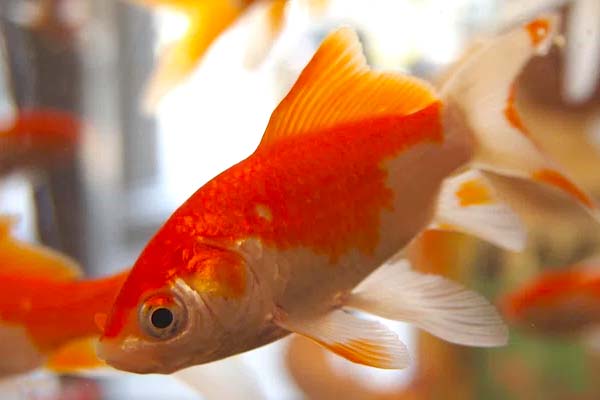
On the other hand, goldfish are larger and more active fish often kept in their tanks due to their specific care requirements. While it’s possible to keep these two species together, it’s essential to consider the potential risks and challenges involved.
Cory catfish are not ideal for goldfish tanks because they can become prey. Goldfish have big appetites and mouths, making smaller fish like cory catfish vulnerable to being eaten.
Additionally, cory catfish have spines in their fins that can get stuck in a goldfish’s mouth or throat, leading to serious health problems.
Factors to Consider for Compatibility
When considering whether cory catfish can live with goldfish, there are several factors that aquarists should keep in mind to ensure that both species can coexist peacefully in the same tank.
Tank Size
Consider tank size first. Goldfish and cory catfish have different space needs, so ensure the tank is adequately sized. Aim for at least 20 gallons per goldfish and 10 gallons per cory catfish.
Water Parameters
Another vital factor to consider is water parameters. Cory catfish prefer slightly alkaline water with a pH between 7 and 8, while goldfish can tolerate a broader range of pH levels.
Both species prefer temperatures between 74°F and 80°F, but ensuring that the water temperature remains stable and does not fluctuate too much is crucial. Additionally, regular water changes and proper filtration are essential to maintain good water quality and prevent the buildup of harmful waste.
Behavior and Aggression
Behavior and aggression are also important factors to consider. Goldfish are generally peaceful and easygoing, but some species can become aggressive towards smaller fish. Cory catfish are bottom dwellers and tend to be more peaceful, but some species can be territorial and aggressive towards other bottom-dwelling fish. It is vital to choose cory catfish species that are compatible with goldfish and have a similar temperament.
Feeding Habits
Feeding habits are another vital consideration. Goldfish are omnivorous and require a varied diet that includes plant- and protein-based foods. Cory catfish are also omnivorous but prefer a diet that includes algae, sinking pellets, and other small foods. It is crucial to ensure that both species receive the proper nutrition and that the food is appropriate for their size.
Recommended Tank Setup
Remember a few things when setting up an aquarium for Cory’s Catfish and Goldfish. Here are some recommendations for a successful tank setup:
- Tank Size and Layout
Ensure adequate space and hiding spots for both goldfish and Cory Catfish. Provide at least 20 gallons per goldfish, and include hiding spots for Cory Catfish. A 30-gallon tank is recommended for their comfort.
- Filtration System
Maintaining optimal water conditions for both species is essential for their health and well-being. A good filtration system is necessary to keep the water clean and clear. It is recommended to have a filter that can handle at least twice the volume of water in the tank. Additionally, regular water changes are necessary to keep the water parameters stable.
- Substrate
Choosing the appropriate substrate for the aquarium is also essential. Cory Catfish prefer a sandy or fine-grained substrate that won’t damage their delicate barbels. Goldfish, on the other hand, prefer a coarser substrate like gravel or pebbles. It is important to avoid sharp or rough substrates that can injure either species.
Compatible Cory Catfish Types
When keeping Cory Catfish with Goldfish, choosing compatible species that coexist peacefully in the same tank is crucial. Here are some Cory Catfish types that are known to be compatible with goldfish:
Scleromystax barbatus
Scleromystax barbatus, or the bearded catfish, is famous for Goldfish tanks. These small, peaceful fish are bottom dwellers and spend most of their time scavenging for food. They are compatible with goldfish because they are too big to be eaten and have smooth fins that won’t harm the goldfish.
Sterbai Cory Catfish
Sterbai Cory Catfish are another excellent option for Goldfish tanks. These fish are known for their striking appearance, with bright orange and black markings on their bodies. They are peaceful and won’t bother goldfish, and their small size makes them a good fit for most tanks.
Brochis multiradiatus
Brochis multiradiatus, also known as the peppered cory, is a popular choice for community tanks. These fish are peaceful and get along well with other species, including goldfish. They are bottom dwellers and spend most of their time scavenging for food, which makes them a good fit for Goldfish tanks.
When choosing Cory Catfish for a Goldfish tank, it’s essential to consider their size and temperament. Cory catfish generally isn’t a good idea for Goldfish tanks because they’re small enough to fit into a Goldfish’s mouth and often have spines in their fins. Other species, such as loaches, barbs, and plecos, may also be compatible with goldfish, but it’s essential to research each species carefully before adding them to a community tank.
Compatible Goldfish Types
Choosing the suitable goldfish types is crucial when keeping cory catfish and goldfish together. Some goldfish species are more compatible with cory catfish than others. Here are some of the most suitable goldfish types to keep with cory catfish:
Fantail Goldfish: Compatibility and care considerations
Fantail goldfish and cory catfish make great tank mates due to their compatible care requirements. They both thrive in a pH range of 7.0-8.0 and water temperatures between 65-75°F. For a small group of cory catfish and a few fantail goldfish, a minimum tank size of 20 gallons is recommended.
Lionhead Goldfish: Compatibility Factors and tank requirements
Lionhead goldfish and cory catfish can peacefully coexist. Lionheads prefer a pH range of 7.2-7.8 and temperatures between 65-75°F, which aligns with the needs of cory catfish. Providing hiding spots is crucial, as lionheads are slower swimmers. A 30-gallon tank is recommended for a small group of cory catfish and lionhead goldfish.
Butterfly Tail Goldfish: Suitability and compatibility with Cory Catfish
Butterfly tail goldfish and cory catfish can coexist harmoniously. Butterfly tails prefer a pH range of 7.0-8.0 and temperatures between 65-75°F, similar to cory catfish. They need a well-filtered tank with ample swimming space. For a small group of cory catfish and a couple of butterfly tail goldfish, a minimum tank size of 30 gallons is recommended.
Potential Issues and Mitigation Strategies
Several potential issues must be considered when considering keeping cory catfish and goldfish together in a tank. Here are some of the most significant issues and some strategies that can help mitigate them.
Size Disparity
One of the most significant issues when keeping cory catfish and goldfish together is the size disparity between the two species. Goldfish can grow quite large and may see smaller cory catfish as prey. It is crucial to ensure the tank is large enough to accommodate both species comfortably to manage potential aggression due to different sizes. A good rule of thumb is to have at least 20 gallons of water per goldfish and 5 gallons per cory catfish.
Temperature Variations
Another issue to consider is temperature variations. Goldfish prefer cooler water temperatures than cory catfish, and keeping the water too warm can harm goldfish. Conversely, keeping the water too cool can be harmful to cory catfish. Keeping the water temperature between 68 and 74 degrees Fahrenheit is crucial to ensure a suitable range for both species. An excellent way to achieve this is to use a heater and a thermometer to monitor the water temperature regularly.
Feeding Competition
Goldfish are notorious for being voracious eaters and may outcompete cory catfish for food. To prevent food scarcity and competition, it is vital to feed the fish separately. You can do this by placing food in different parts of the tank or feeding the fish at different times. A varied diet that includes algae, pellets, and live or frozen food is also essential.
Conclusion
In conclusion, keeping cory catfish and goldfish together in the same tank is not recommended. Goldfish are not the best tank mate for corydoras due to their size, which makes them a potential threat to the smaller catfish. Even the largest cory catfish species is still small enough to be eaten by goldfish. Moreover, cory catfish have sharp, venomous spines that can injure and even kill any goldfish that eats them.
Besides the size difference, cory catfish and goldfish require different environmental conditions. Goldfish prefer cooler water temperatures, while corydoras thrive in warmer waters. When kept together in the same tank, the difference in their preferred temperatures can cause stress and health issues for both species.
Furthermore, goldfish are notorious for producing a lot of waste, which can lead to poor water quality in the tank. On the other hand, Cory catfish are sensitive to poor water quality, and their health can quickly deteriorate in such conditions. Therefore, keeping them in separate tanks with appropriate filtration systems is best.