When Separating Pregnant Guppies: Tips and Guidelines
Pregnant guppies are a popular addition to many aquariums. These colorful and active fish are known for their prolific breeding, with females giving birth to dozens of fry at once. However, it’s essential to know when and how to separate pregnant guppies from the rest of the tank to ensure the mother’s and her offspring’s safety and survival.
Understanding guppy pregnancy is the first step in determining when to separate a pregnant guppy. Male guppies reach sexual maturity at around seven weeks and will begin to mate with females through a series of “dances.”
Once a female is pregnant, it’s important to monitor her closely and look for signs of labor, such as a distended abdomen and a dark gravid spot near the tail.
Separating a pregnant guppy at the right time can help prevent her from becoming stressed and eating her fry, a common problem in community tanks.
Factors to consider when separating pregnant guppies include the size of the tank, the number of other fish present, and the availability of a separate breeding tank. Properly separating a pregnant guppy can be a straightforward and efficient method to safeguard the well-being and survival of her offspring.
The following sections will discuss the best practices for separating, monitoring, and caring for pregnant guppies, reintroducing them to the main tank, and planning for future breeding.
Key Takeaways
- Understanding guppy pregnancy is crucial in determining when to separate a pregnant guppy.
- Factors to consider when separating pregnant guppies include tank size, number of other fish, and availability of a separate breeding tank.
- Separating pregnant guppies can help prevent stress and ensure the mother’s and her offspring’s safety and survival.
Understanding Guppy Pregnancy
Gestation Period and Signs of Pregnancy
Guppies are known for their prolific breeding habits, and it is not uncommon for female guppies to become pregnant soon after they reach sexual maturity.
The gestation period for guppies is typically around 21 to 30 days, depending on factors such as water temperature, diet, and genetics. During this time, the female guppy’s belly will gradually enlarge as the fry grows.
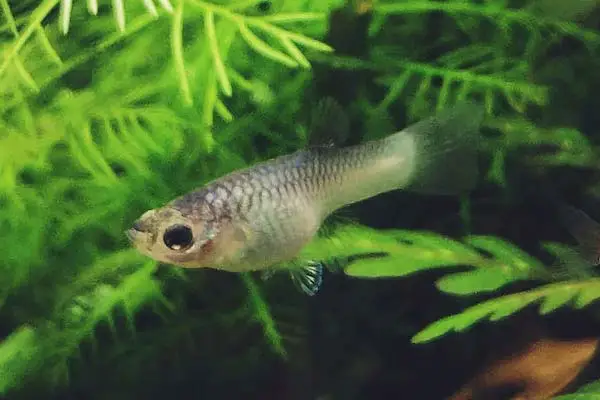
One of the most obvious signs of guppy pregnancy is the appearance of a gravid spot, which is a dark spot near the female’s anal fin. This spot will become more prominent as the pregnancy progresses, a reliable indicator that the female is pregnant. Other signs of guppy pregnancy include a distended belly, changes in behavior, and decreased appetite.
Risks of Keeping Pregnant Guppies with Other Fish
It is important to note that pregnant guppies should be separated from other fish in the tank to prevent them from being harassed or attacked. Other fish may see the pregnant guppy as an easy target and try to eat her fry or harm the mother during birth.
Furthermore, housing pregnant guppies with other fish can induce stress, posing potential health complications for the mother and her offspring.
Separating pregnant guppies is also beneficial for monitoring their health and the health of their babies. This allows for better control of water quality, diet, and other factors that can affect the growth and development of the fry.
Factors to Consider When Separating Pregnant Guppies
Several crucial factors should be considered to ensure the safety and well-being of both the pregnant guppies and their fry when separating them. Here are some essential considerations to bear in mind:
Space Requirements and Tank Size
The space requirements and tank size are among the most essential factors when separating pregnant guppies. Pregnant guppies need plenty of space to swim and move around comfortably, especially near the end of their pregnancy. A small tank can cause stress and discomfort, leading to health issues for the mother and her fry.
Compatibility with Tank Mates
Another important consideration is the compatibility of the pregnant guppy with her tank mates. Pregnant guppies can become stressed or even attacked by aggressive tank mates. It is crucial to ensure that the tank mates are compatible and not causing any undue stress to the pregnant guppy.
Stress Levels
Stress levels are another vital factor to consider when separating pregnant guppies. Stress can cause health problems for the mother and her fry, leading to premature birth or miscarriage. Creating a comfortable and stress-free environment for the pregnant guppy is vital.
Aggression and Need for Hiding Spots
Aggressive tank mates can be a significant source of stress for pregnant guppies. It is essential to provide hiding spots and other forms of shelter for the pregnant guppy to help her feel safe and secure. This can also help to reduce aggression from other tank mates.
Water Quality and Temperature Considerations
Water quality and temperature are also important considerations when separating pregnant guppies. The water should be clean and free of harmful toxins or chemicals, and the temperature should be comfortable for the pregnant guppy. Any sudden changes in water temperature or parameters can cause stress and health issues for the mother and her fry.
When to Separate Pregnant Guppies
General Timeframe for Separation
Separating pregnant guppies from other fish is a common practice among fish keepers. Separating the pregnant female guppy when she is close to giving birth is recommended.
The average gestation period for guppies is approximately 28 days, although this duration can vary based on temperature and environmental conditions.
Generally, it is best to separate the pregnant guppy from the rest of the tank when she is 22-26 days pregnant.
Signs Indicating Imminent Delivery
A few signs indicate a pregnant guppy is close to giving birth. One of the most noticeable signs is the gravid spot, which is a dark spot near the anal vent. This means the female has developed eggs and is ready to give birth soon.
Another sign is a bulging belly, which indicates that the fry is fully developed and ready to be born. When you notice these signs, it’s time to separate the pregnant guppy from the other fish in the tank.
Benefits of Separating Before Giving Birth
Separating the pregnant guppy from the rest of the tank before giving birth has several benefits.
Firstly, It provides protection for the fry, ensuring they are not preyed upon by other fish in the tank. Guppies are known to eat their babies, so separating the pregnant guppy will give the fry a better chance of survival.
Secondly, it helps to prevent the pregnant guppy from getting stressed out and eating her babies. Finally, separating the pregnant guppy will make it easier to monitor the delivery and ensure that everything goes smoothly.
How to Separate Pregnant Guppies
Separating pregnant guppies from other fish is essential to ensure their fry’s safety and survival. Here are step-by-step instructions for setting up a breeding tank and transferring the pregnant guppy.
Step-By-Step Instructions for Setting Up a Breeding Tank
- Clean the breeding tank thoroughly with warm water and mild soap. Rinse the tank well to remove any soap residue.
- Fill the tank with clean, fresh water. The water should be at room temperature and free from chlorine and other harmful chemicals.
- Install a filter and heater in the breeding tank to maintain water quality and temperature.
- Add live plants or artificial decorations to the tank to provide hiding places for the pregnant guppy and her fry.
- Allow the tank to cycle for at least a day before adding the pregnant guppy.
Ideal Conditions and Required Equipment
For the pregnant guppy’s safety, a minimum tank size of 5 gallons is recommended, accompanied by a secure lid to prevent any chance of jumping out. Maintaining a water temperature ranging from 75 to 82°F and a pH level between 7.0 and 8.0 is crucial.
Alternatively, a breeding box that attaches to the side of the existing fish tank can serve as a viable option instead of a separate breeding tank.
Tips for Transferring the Pregnant Guppy
- Use a fishnet to gently scoop up the pregnant guppy from the original fish tank.
- Transfer the pregnant guppy to the breeding tank or breeding box.
- Monitor the pregnant guppy closely for any signs of stress or illness.
- Feed the pregnant guppy small amounts of high-quality food several times a day to ensure the health of the fry.
- Once the pregnant guppy has given birth, remove her from the breeding tank or breeding box to prevent her from eating her fry.
Monitoring and Caring for Separated Guppies
Importance of Close Observation
When separating a pregnant guppy from the rest of the fish, closely monitoring her health and behavior is crucial. Pregnant guppies require extra care and attention to ensure they remain healthy and their babies are born safely.
Look for signs of distress or illness, such as lethargy, loss of appetite, or abnormal swimming behavior. If you notice anything unusual, take immediate action to address the issue.
Guidelines for Feeding and Maintaining Water Quality
Maintaining the pregnant guppy’s and her offspring’s health relies on proper feeding and water quality. To support a healthy pregnancy, it is vital to provide the pregnant guppy with a diverse diet of high-quality food that supplies all the necessary nutrients.
Additionally, diligent monitoring of the tank’s water quality is essential. Regular water changes should be performed to uphold a favorable environment for the fish, promoting their well-being.
Potential Complications During and After Birth
While most pregnant guppies give birth without issues, there are potential complications. Dystocia, a prevalent problem, refers to a fish’s difficulty while giving birth. Several factors, including stress, inadequate water quality, or insufficient nutrition, can contribute to this condition.
If you notice any signs of dystocia, such as a distended belly or difficulty swimming, take immediate action to help the pregnant guppy give birth safely.
After the babies are born, it is crucial to continue monitoring their health and growth. Feed them a diet of high-quality food and perform regular water changes to ensure they remain healthy and strong.
Reintroduction and Future Breeding
Timing and Method for Reintroducing to the Main Tank
After the pregnant guppy has given birth and the fry has grown large enough to avoid being eaten by other fish, it is time to reintroduce the mother back into the main tank.
The timing for reintroduction is crucial, and it is recommended to wait at least two weeks after the birth to ensure the mother has fully recovered.
When reintroducing the mother, it is vital to avoid any stress or aggression from other fish gradually. One method is to place the mother in a breeder box within the main tank for a few days, allowing her to become acclimated to the environment while still being protected from other fish. After a few days, the mother can be released from the breeder box and join the other fish.
Considerations for Future Breeding Cycles
If the breeding cycle is successful, the mother guppy will likely become pregnant again. Considering the breeding process and the offspring’s welfare is important when planning future breeding cycles.
One consideration is using a breeder box to protect the fry from being eaten by other fish. Some guppies are cannibalistic and will eat their fry, so a breeder box can be a helpful tool in ensuring the survival of the offspring.
Another consideration is the parental instinct of the mother guppy. While some mothers will care for their fry, others may become stressed and eat their offspring. It is crucial to monitor the mother’s behavior and remove her from the tank if she becomes aggressive towards her fry.
Conclusion
Summary of Key Points
Separating pregnant guppies is a decision that many aquarists face. While some believe separating pregnant fish is necessary for their safety and the safety of their fry, others argue that it is not always needed. Ultimately, the decision to separate pregnant guppies should be made based on the individual circumstances of the aquarium and the fish.
If an aquarist decides to separate a pregnant guppy, they should ensure that the new tank or breeder box is appropriately set up and that the water conditions suit the fish. Pregnant guppies should also have a varied diet that includes live or frozen foods.
Final Tips and Recommendations for Successful Separation
To successfully separate pregnant guppies, it is crucial to keep the following tips and recommendations in mind:
- Monitor the pregnant guppy closely for signs of stress or illness.
- Provide the pregnant guppy with a safe and comfortable environment in the new tank or breeder box.
- Gradually acclimate the pregnant guppy to the new tank or breeder box to minimize stress.
- Keep the water conditions in the new tank or breeder box consistent with those in the main aquarium.
- Provide the pregnant guppy with a varied diet that includes live or frozen foods.
- If necessary, move the pregnant guppy back to the main aquarium.
While separating pregnant guppies is not always necessary, it can be a good option for those who want to ensure their fish’s and fry’s safety. By following the tips and recommendations outlined above; aquarists can successfully separate pregnant guppies and provide them with the care they need to thrive.