Cory Catfish Eggs: A Guide to Breeding and Hatching Success
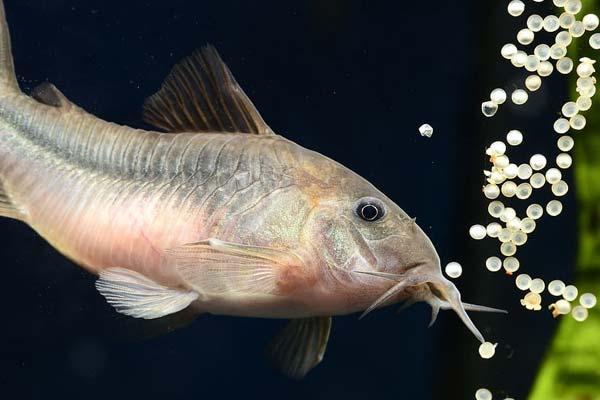
Cory Catfish eggs are a fascinating aspect of the aquarium hobby. These eggs are small, dark objects about the size of a grain of rice, and they are usually transparent, making them hard to spot on the substrate.
Cory Catfish eggs take approximately 3-5 days to hatch, although some can take seven or more days. The hatching time depends on the environmental temperature, as warmer waters will cause the eggs to hatch sooner.
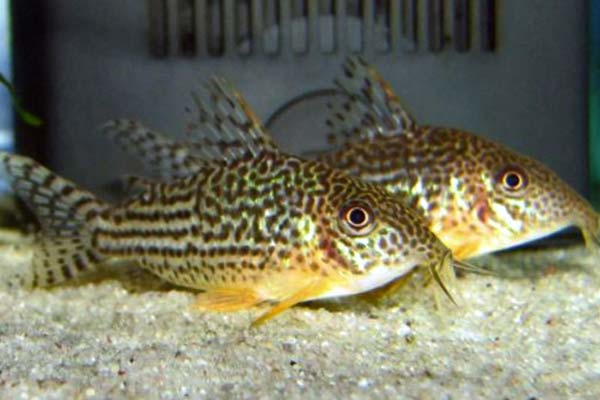
Breeding Cory Catfish is a popular activity among aquarium hobbyists. When kept in ideal conditions, provided the water is healthy and enough males, Cory Catfish can be breeding machines that lay eggs weekly.
Unlike other fish that release hundreds of eggs, they suffice by laying only ten to fifteen. Cory Catfish eggs are fertilized externally, and once the eggs are laid, they are usually left to hatch on their own.
Caring for Corydoras eggs is essential for the survival of the fry. The eggs are delicate and require a stable environment to hatch successfully. Aquarium hobbyists must maintain the water parameters and ensure that the eggs are not disturbed during incubation.
Cory Catfish Eggs
Cory Catfish eggs are small and round, with a diameter of approximately 1-2 mm. They are usually white or cream-colored and have a transparent outer layer. The eggs are fertilized internally, and the females lay them on a flat surface, such as a plant leaf or an aquarium glass.
During the breeding process, Cory Catfish females typically lay between 25 to 50 eggs in a single spawning, although the exact number can vary based on the species and environmental conditions.
Some females may only lay 10-15 eggs at a time. The number of eggs also depends on the female’s age, diet, and health.
Cory Catfish usually start laying eggs when they reach sexual maturity, typically around 6-12 months. The timing of egg laying can also be influenced by factors such as water temperature, light cycle, and water quality.
The incubation period for Cory Catfish eggs is approximately 3-5 days, but this can vary depending on the temperature of the water. Warmer water temperatures typically result in faster hatching times. The temperature range for optimal egg hatching is between 73-81°F (22-27°C).
Fertilized eggs will appear opaque and have a small black dot in the center, indicating the developing embryo. Unfertilized eggs will remain transparent and will not develop. Removing unfertilized or dead eggs from the breeding area is vital to prevent the spread of disease.
Breeding Preparation
Before breeding Cory Catfish, preparing the adult fish and the breeding environment is crucial. Proper care and preparation can increase the chances of successful breeding and hatching of healthy fry.
Conditioning the Adult Cory Catfish
To prepare the adult fish for breeding, it’s essential to condition them with a proper diet. Feeding them high-quality live or frozen foods, such as bloodworms, brine shrimp, or daphnia, can help increase their fertility and prepare them for spawning.
Providing a healthy and stress-free environment for the fish is also crucial. Maintaining good water quality, monitoring water chemistry, and ensuring proper aeration and filtration can help reduce stress and promote breeding behavior.
Species-specific Considerations
Different species of Cory Catfish may have specific requirements or considerations for breeding. For example, some species may require cooler water temperatures, while others prefer warmer waters.
Researching and understanding the specific requirements of the species you plan to breed is essential to ensure optimal breeding conditions.
Breeding Tank Setup
When setting up the breeding tank, it’s crucial to provide a suitable substrate for the fish to lay their eggs. A fine-grained substrate, such as sand or gravel, can mimic the fish’s natural environment.
It’s also important to provide hiding places, such as caves or plants, to give the female fish a place to lay eggs. Tank mates should be carefully selected to avoid disturbing the breeding process.
Ensuring water quality and chemistry is crucial during the breeding process. Maintaining appropriate pH levels and monitoring ammonia and nitrate levels are vital factors that can significantly increase the likelihood of successful breeding and the hatching of healthy fry.
Egg Care and Incubation
Caring for Cory Catfish eggs is crucial for successful hatching. Identifying fertilized and unfertilized eggs and maintaining water quality during incubation is essential. The following guidelines can help ensure that the eggs have the best chance of survival:
- Identifying Fertilized and Unfertilized Eggs: Fertilized eggs will have a black dot or point in them, while unfertilized eggs will not. Removing unfertilized eggs from the tank prevents mold growth and maintains water quality.
- Maintaining Water Quality: Cory Catfish eggs require clean, oxygenated water to hatch successfully. It is vital to perform regular water changes and monitor pH levels. A filter can help maintain water quality by removing debris and waste.
- Protection Against Predation: Eggs are vulnerable to predators such as other fish, snails, and shrimp. It is essential to provide hiding places for the eggs, such as on plant leaves or other surfaces. An antibacterial solution such as methylene blue can also help protect the eggs from fungus and bacteria.
- Incubation Options and Transferring Eggs: There are several options for incubating Cory Catfish eggs, including using a breeding box or leaving the eggs in the main tank. If transferring the eggs, it is vital to do so carefully to avoid damaging them.
Fry Care
Caring for Cory Catfish fry is essential to raising healthy and active fish. The fry are delicate and require special attention to ensure their survival. Here are some key aspects to consider when caring for Cory Catfish fry:
Feeding Options
Cory Catfish fry requires a nutritious diet to grow and develop properly. Several feeding options include live foods such as brine shrimp, crushed flake food, and other high-quality commercial fry food.
Live foods are an excellent source of nutrition for fry, and brine shrimp is a popular choice. It is essential to ensure that the brine shrimp are fresh and healthy and fed in small amounts several times daily.
Crushed flake food is another option for feeding fry. It is essential to ensure that the flakes are crushed into small pieces to make it easier for the fry to consume. Commercial fry food is an excellent option for feeding Cory Catfish fry, as it is specifically formulated to meet their unique nutritional requirements.
Creating Suitable Tank Conditions
Creating suitable tank conditions is crucial when caring for Cory Catfish fry. The tank should have a gentle water flow to prevent the fry from being swept away. Maintaining a stable water temperature and keeping the tank clean is also vital to prevent the buildup of harmful bacteria.
Protection from Predators
Cory Catfish fry are vulnerable to predators, and taking measures to protect them is essential. Providing hiding places such as plants and rocks can help to keep fry safe from predators. Additionally, it is crucial to keep the tank covered to prevent predators from gaining access to the fry.
Grow-Out Tank Setup
A dedicated grow-out tank is crucial for raising healthy Cory Catfish fry. Using a separate tank specifically for growing out the fry is recommended.
Setting up a grow-out tank before the eggs hatch is recommended. This allows sufficient time for the tank to cycle and provides a safe and healthy environment for the fry to grow.
When setting up a grow-out tank, it is vital to consider the following factors:
- Tank Size: The size of the grow-out tank should be appropriate for the number of fry being raised. A 10-gallon tank is sufficient for up to 50 fry.
- Substrate: A fine-grained substrate, such as sand or gravel, should prevent the fry from getting trapped or injured.
- Filtration: A gentle filter should be used to prevent the fry from being sucked into the filter. Sponge filters are a good option for grow-out tanks.
- Water Changes: Performing regular water changes is crucial for maintaining optimal water quality in the grow-out tank. Conducting a weekly water change of approximately 25% is recommended to create a healthy and stable environment for the growing fry.
- Hiding Places: Providing hiding places, such as plants or decorations, is crucial for the fry to feel safe and secure.
- Schooling Fish: Adding a few small, peaceful schooling fish, such as neon tetras, can help stimulate the fry’s natural behavior and promote healthy growth.
In addition to setting up the grow-out tank, providing high-quality food for the fry is crucial for healthy growth. Fry should be fed small, frequent meals throughout the day. Some nutritious food options for Cory Catfish fry include:
- Yolk Sac: Fry will initially feed off their yolk sac for the first few days after hatching.
- Powder Foods: Powdered fry food or crushed flakes can be fed to the fry once they have consumed their yolk sac.
- Microworms: Live micro worms are a good source of protein for growing fry.
- Baby Brine Shrimp: Live or frozen baby brine shrimp can be fed to the fry once they are a few days old.
- Chopped Up Frozen/Live Foods: Frozen or live foods, such as bloodworms or daphnia, can be chopped up and fed to the fry.
- Pellets/Dried Foods: Once the fry are large enough, they can be fed small pellets or dried foods.
Troubleshooting and Conclusion
Breeding Cory Catfish can be a rewarding experience for aquarium enthusiasts but can also present specific challenges. Here are some common issues that may arise during breeding and potential solutions:
- Poor water conditions: Cory Catfish are sensitive to water quality, so it’s essential to maintain optimal water conditions. High levels of ammonia and nitrites can be lethal to the eggs and fry. Ensure the water is well-filtered, and perform regular water changes to maintain healthy water quality.
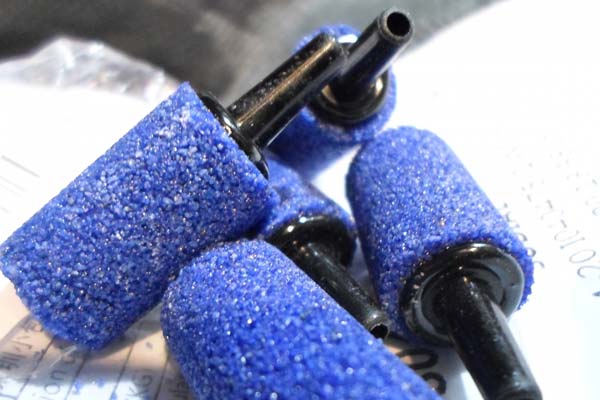
- Low oxygen levels: Low oxygen levels can harm fish and hinder egg development. To address this, increase aeration and surface agitation in the tank to improve oxygenation.
- Bacterial infections: Bacterial infections can be a common issue during breeding. Ensure the aquarium is clean and well-maintained to prevent the buildup of harmful bacteria. Quarantine any sick fish immediately and treat them with appropriate medication.
- Poor water chemistry: Cory Catfish require specific water chemistry to breed successfully. Ensure that the pH, hardness, and temperature are within the ideal range for breeding.
To ensure successful breeding, here are some final tips and recommendations:
- Provide hiding places: Cory Catfish are shy and like to hide. Providing hiding places like plants, caves, and rocks can help reduce stress and encourage breeding.
- Feed a varied diet: A varied diet of live, frozen, and dried foods can help improve egg quality and overall health.
- Monitor water quality: Regularly monitor and change water to maintain optimal conditions.
In conclusion, breeding Cory Catfish requires careful attention to water quality, chemistry, and proper care. Aquarists can successfully breed these fascinating livebearers by troubleshooting common issues and following the tips and recommendations provided. With further learning and experience, one can become a knowledgeable and skilled Cory Catfish breeding expert.