
Can Guppy Live with Betta? A Comprehensive Guide to Tank Compatibility
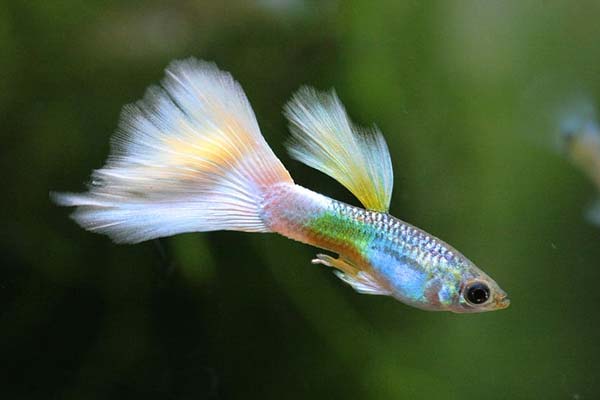
Guppies and Betta fish are two of the most popular fish species among aquarium enthusiasts. However, many wonder whether these two species can live together in the same tank. The short answer is yes, but there are several factors to consider before introducing them to each other.
Factors to consider include:
- The behavior of the betta fish with guppies
- The size of the tank
- The size of the Betta fish and guppies
- Hiding places
- The personality of the betta fish
While betta fish are known for their aggression, some individuals may be more peaceful and able to coexist with other fish, including guppies. Proper interaction and management are crucial to ensure the safety and well-being of all fish in the tank.
Key Takeaways
- Guppies and Betta fish can live together, but several factors must be considered carefully.
- Proper interaction and management are crucial to ensure the safety and well-being of all fish in the tank.
- Aquarium enthusiasts can keep these two species together in a shared tank by following proper guidelines and taking necessary precautions.
Factors to Consider
There are several factors to consider when considering keeping guppies and bettas together in an aquarium. These include tank size, setup, water conditions, betta and guppy temperament, and gender considerations.
Tank Size
When housing guppies and bettas, the tank size plays a vital role, a larger tank offers ample swimming space and decreases the likelihood of territorial conflicts and aggressive behavior. It is recommended to have a minimum tank size of 10 gallons to accommodate a small group of guppies and a betta together.
Setup and Water Conditions
The tank setup and water conditions are crucial for guppies’ and bettas’ health and well-being. The aquarium should be appropriately cycled, and the water parameters, including temperature, pH level, ammonia, nitrite, and nitrate, should be monitored regularly.
The substrate should be suitable for both guppies and bettas and hiding places and plants should be provided to reduce stress and aggression.
Betta and Guppy Temperament
Bettas and guppies have different temperaments, which can affect their compatibility in a community tank. Bettas are known to be territorial and aggressive, while guppies are generally friendly and peaceful. However, some guppies may nip at the betta’s fins, which can cause stress and injury. It is essential to observe the behavior of both fish and remove any aggressive or fin-nipping individuals.
Gender Considerations
Gender considerations are also crucial when keeping guppies and bettas together. Male bettas are more territorial and aggressive than females and may attack male guppies. The only possible combination for a community tank is female guppies with a female betta. However, it is essential to monitor the behavior of both fish and remove any aggressive individuals.
Interaction and Management
When keeping guppies and bettas together, observing their interaction and managing their environment is vital to prevent aggression or stress. Here are some tips to help ensure a peaceful coexistence between the two fish.
Observe Aggression and Stress Signs
Monitoring the behavior of both the guppies and the betta fish is crucial. Signs of aggression from the betta towards the guppies may include chasing or nipping at their fins. Symptoms of stress from the guppies may include hiding or reduced activity. If any signs of aggression or stress are observed, it may be necessary to separate the fish.
Provide Hiding Spots for Guppies
Guppies are known for their peaceful nature and may become stressed if they do not have a place to hide from the more aggressive betta. Providing hiding spots such as live plants, java moss, guppy grass, or dense vegetation can help reduce stress for the guppies. Rocks and tank decorations can also provide hiding places.
Separate If Necessary
Separating the guppies and betta fish may be necessary if aggression or stress persists. Overcrowding can also lead to aggression, so limiting the number of fish in the tank is essential.
In addition to managing the interaction between the guppies and bettas, providing proper care for both species is essential. This includes feeding a balanced diet of pellets, flakes, and live food, maintaining water quality, and taking precautions to prevent illness and fin rot.
By carefully managing the environment and observing the behavior of the fish, guppies, and bettas can live together peacefully in the same tank.
Recommended Tankmates
When keeping guppies and bettas together, choosing peaceful tankmates that coexist with these freshwater fish is crucial.
Adding other fish to the tank can add diversity and interest to the aquarium, but it is vital to choose the right ones that won’t cause any harm or stress to your guppies and bettas.
Peaceful Community Fish Options
Here are some peaceful community fish options that can be good tank mates for guppies and bettas:
- Goldfish: These fish are peaceful and can coexist with guppies and bettas if kept in a large enough tank. However, it is essential to note that goldfish prefer cooler water temperatures than guppies and bettas, so the tank temperature should be kept on the lower side.
- Platies: These colorful and peaceful fish make them great tank mates for guppies and bettas. Additionally, guppies and bettas prefer similar water parameters, which simplifies maintaining a healthy environment for all the fish in the tank.
- Kuhli Loach: These fish are peaceful and can coexist with guppies and bettas. They are also known for their unique appearance and behavior, which can add interest to the aquarium.
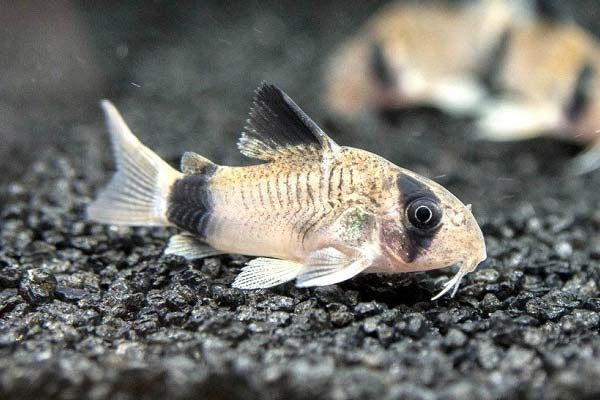
- Corydoras Catfish: These peaceful fish can live harmoniously with guppies and bettas. They are renowned for their bottom-dwelling behavior, which adds diversity to the aquarium setup.
- Tetras: These fish are peaceful and can coexist with guppies and bettas. They are also known for their bright colors and active behavior, which can add interest to the aquarium.
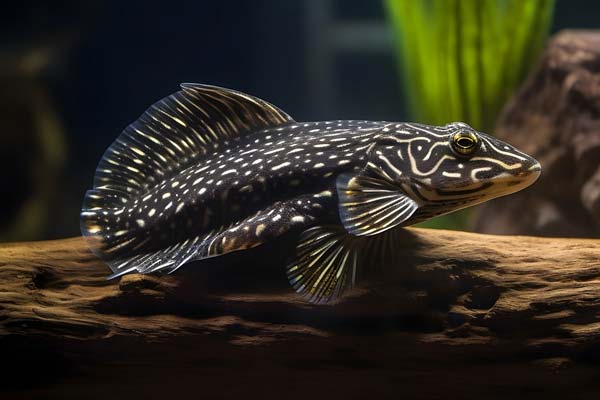
- Bristlenose Pleco: These fish are peaceful and can coexist with guppies and bettas. They are also known for their algae-eating behavior, which can help keep the tank clean.
- Gouramis: These fish are peaceful and can coexist with guppies and bettas. They are also known for their unique appearance and behavior, which can add interest to the aquarium.
- Harlequin Rasbora: These fish are peaceful and can coexist with guppies and bettas. They are also known for their schooling behavior, which can add interest to the aquarium.
It is important to note that while some shrimp, such as Amano shrimp, can coexist with guppies and bettas, other types of shrimp may be seen as food and should not be added to the tank.
Additionally, it is crucial to choose peaceful tank mates and avoid aggressive fish that may harm or stress out your guppies and bettas.
Breeding Considerations
Breeding guppies and bettas together can be challenging, but it can be done with suitable precautions and care. Here are some essential factors to consider when breeding guppies and bettas together.
Separate Breeding Tanks
When breeding guppies and bettas together, it’s essential to have separate breeding tanks. This is because male betta fish hunt down and attack the guppy fry.
The male betta fish will also attack the female guppies during breeding, which can lead to stress and even death.
To prevent any aggression and ensure the safety of the fry, it’s best to have separate breeding tanks for the guppies and bettas. This will also allow the fry to grow and develop without any interference from the adult fish.
Care for Fry Survival
Once the guppy fry is born, proper care is crucial to ensure survival. Guppy fry is delicate and requires specific conditions to thrive.
Here are some tips for caring for guppy fry:
- Feed the fry small amounts of food several times a day.
- Keep the water clean and maintain proper water parameters.
- Provide hiding places for the fry to avoid being eaten by adult fish.
- Use a sponge filter to prevent the fry from being sucked into the filter.
It’s also important to note that guppy fries overgrow and must be separated into different tanks as they mature.
FAQs
Q: Can guppies and bettas live together?
A: Yes, but under certain conditions. It is crucial to ensure that the tank is large enough and that the betta is a less aggressive and smaller breed.
Q: Can bettas kill guppies?
A: Yes, bettas can be territorial and may attack guppies. Monitoring their behavior and providing hiding places to reduce aggression is essential.
Q: What plants can be used to provide hiding places for guppies and bettas?
A: Plants such as water sprite and Java ferns can be used to provide hiding places for both fish species.
Conclusion
In conclusion, guppies and bettas can live together under certain conditions. It is crucial to ensure that the tank is large enough to accommodate both fish species and that they have enough space to swim around. Bettas can be territorial, so monitoring their behavior and ensuring they are not attacking the guppies is essential.
Additionally, it is recommended to choose a less aggressive and smaller breed of betta and to feed them separately to prevent fighting over food. Providing hiding places such as plants, water sprite, and java ferns can also help to reduce aggression and provide a sense of security for both fish.
It is important to note that individual fish temperament may vary, and not all bettas will be compatible with guppies. It is recommended to observe the behavior of both fish before adding them to the same tank and to have a backup plan in case they do not get along.