Are Cory Catfish Hardy? The Ultimate Guide to Keeping These Adaptable Fish!
Cory catfish is a popular freshwater fish species commonly kept in aquariums. They are known for their peaceful nature, social behavior, and unique appearance. However, one of the most important factors to consider when keeping cory catfish is their hardiness.
Many aquarists wonder, “Are cory catfish hardy?” The answer is yes; cory catfish are generally considered hardy species. However, certain factors such as water quality, tank size, and diet can affect their hardiness. Understanding these factors is essential to keep your cory catfish healthy and thriving in your aquarium.
Key Takeaways
- Cory catfish are a popular species of freshwater fish known for their peaceful nature and unique appearance.
- Cory catfish are considered hardy, but water quality, tank size, and diet can affect their hardiness.
- Understanding these factors and adequately caring for your cory catfish can help ensure their health and longevity in your aquarium.
Are Cory Catfish Hardy?
Cory catfish are a widespread freshwater fish known for their peaceful nature and unique appearance. One of the most common questions about these fish is whether they are hardy. The answer is yes; Cory catfish are generally considered hardy fish.
Several factors contribute to the hardiness of Cory catfish. First, they adapt to various water parameters, including temperature, pH, and hardness. This makes them suitable for various aquarium setups, from beginner to advanced.
In addition, Cory catfish are omnivores and will eat various foods, including flakes, pellets, and frozen or live foods. This means they are not picky eaters and can thrive on multiple diets.
Another factor contributing to Cory catfish’s hardiness is their peaceful nature. They are not aggressive towards other fish and do well in community tanks. This makes them a popular choice for beginner aquarium enthusiasts.
Cory Catfish Species Overview
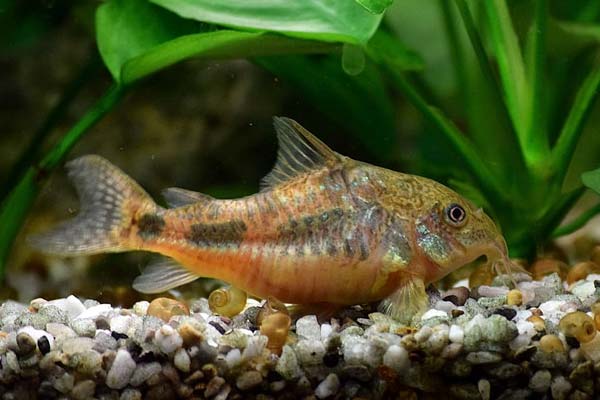
Cory Catfish, also known as Corydoras, are a widespread freshwater fish species among aquarists. They are known for their peaceful nature, social behavior, and ability to clean the bottom of the tank.
Cory Catfish come in a diverse range of sizes, colors, and patterns, which adds to their appeal as a visually striking addition to any aquarium.
Different Species of Cory Catfish
There are many species of Cory Catfish, each with unique characteristics. Some of the most popular species include:
- Bronze Cory Catfish (Corydoras aeneus)
- Albino Cory Catfish (Corydoras aeneus)
- Peppered Cory Catfish (Corydoras paleatus)
- False Julii Cory Catfish (Corydoras trilineatus)
- Pygmy Cory Catfish (Corydoras pygmaeus)
- Panda Cory Catfish (Corydoras panda)
Appearance and Size
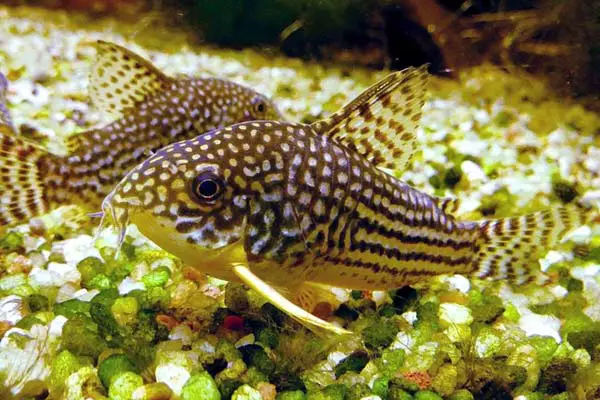
Cory Catfish are typically small, ranging from 1-4 inches long. They have a distinctive body shape, with a broad head and a tapered body. Most species have a pattern of spots or stripes on their body, which can vary in color from brown to black.
Natural Habitat
Cory Catfish are native to South America and found in rivers, streams, and ponds. They are bottom-dwellers, which means they spend most of their time on the substrate of the water.
Cory Catfish consume a diet of small insects, crustaceans, and plant matter in their natural habitat. Overall, Cory Catfish are a hardy and easy-to-care-for species, making them the ideal choice for beginners and experienced aquarists.
Hardiness of Cory Catfish
Cory Catfish are known for their hardiness and ability to adapt to different water conditions. This section will explore the adaptability, disease resistance, feeding habits, and breeding of Cory Catfish that contribute to their overall hardiness.
Adaptability
Cory Catfish are highly adaptable to various water conditions. They can tolerate multiple water parameters, including pH levels between 6.0 and 8.0, water hardness between 5 to 19 dGH, and temperatures between 72 to 82°F. This adaptability makes them an ideal choice for beginner aquarists.
Disease Resistance
Cory Catfish have a robust immune system that helps them resist common diseases such as Ich and fin rot. However, poor water quality and stress can weaken their immune system, making them more susceptible to diseases. Maintaining good water quality and providing a stress-free environment is essential to keep them healthy.
Feeding Habits
As omnivores, Cory Catfish consume diverse foods, including algae, pellets, flakes, and live or frozen options like bloodworms and brine shrimp. Their feeding habits contribute to their hardiness as they can survive on different types of food and will scavenge for food if necessary.
Breeding
Cory Catfish are relatively easy to breed in captivity. They are egg layers and lay on flat surfaces like leaves or rocks. The eggs hatch in 3-4 days, and the baby fish start swimming after 5-6 days. Breeding contributes to their hardiness by ensuring a steady supply of healthy, captive-bred Cory Catfish. They can live for up to 5 years or more with proper care and attention.
Factors Affecting Cory Catfish Hardiness in Aquariums
Cory catfish are considered hardy fish, but various factors can influence their health and well-being.
Proper tank setup and conditions, water parameters, tank mates, diet, and stress reduction are all important considerations for keeping Cory catfish healthy and happy in an aquarium.
Stress Reduction
Stress plays a significant factor that can affect the hardiness of Cory catfish. Stress can weaken their immune system, making them more susceptible to diseases and infections.
Various factors can cause stress, including water parameter fluctuations, poor water quality, aggressive tank mates, inadequate hiding places, and overcrowding.
Providing a clean and stable environment for the fish is essential to minimize stress in the aquarium. This can be achieved by maintaining proper water parameters, using an appropriate filtration system, and providing adequate hiding places and swimming space.
Aquarium size is also essential, as overcrowding can lead to stress and disease. Frequent water changes are crucial for preserving high water quality and minimizing stress in the aquarium. Additionally, using decorations, substrate, and plants can contribute to a natural and cozy habitat for the fish.
Cory catfish are bottom-dwelling fish, and sand is their preferred substrate. Sand provides a natural environment for the fish and helps to prevent damage to their delicate barbels.
Choosing a sand substrate suitable for aquarium use is crucial, and cleaning it regularly to prevent the buildup of harmful bacteria is vital.
A varied and balanced diet is also crucial for the health and hardiness of Cory catfish. Cory catfish are omnivores and will eat various foods, including flakes, pellets, and live or frozen foods.
Providing a balanced diet that includes plant- and animal-based foods is crucial.
Tips for Keeping Cory Catfish Hardy in Aquariums
Cory catfish are hardy freshwater fish that can significantly add to any aquarium. Here are some tips for keeping them healthy and happy:
Regular Water Changes
Cory catfish are sensitive to changes in water conditions, so it’s crucial to maintain a clean and stable environment. Regular water changes are essential to keep ammonia and nitrite levels in check. Aim to change 20-25% of the water in your tank every week.
Proper Filtration
A good filtration system is crucial for maintaining a healthy aquarium. Cory catfish prefer a moderate flow rate, so choose a filter appropriate for your tank’s size. A filter that provides biological, mechanical, and chemical filtration is ideal.
Providing Hiding Spots
Cory catfish are bottom-dwelling fish that like to have hiding spots in their habitat. Provide them with caves, plants, and other decorations that they can use to hide and feel secure.
Monitoring Tank Conditions
Regular monitoring of tank conditions is essential to catch any problems early. Check the pH level, water temperature, and water hardness regularly. Cory catfish prefer a neutral to slightly alkaline pH and a water temperature between 72-79°F.
Choosing Good Tank Mates
Cory catfish are peaceful fish that make good tank mates for other peaceful fish. Avoid keeping them with aggressive fish that may stress them out. They also make excellent scavengers and will help keep the tank clean.
Conclusion
Cory catfish are generally considered hardy fish that are well-suited for beginners. They can live in a wide range of water parameters and are easy to care for in captivity.
However, it is essential to note that their hardiness is not limitless, and proper care is still necessary to maintain their health and well-being.
Recap of Cory Catfish hardiness: The hardiness of Cory catfish is due to their ability to adapt to different water conditions. They are also relatively resistant to diseases and parasites.
However, they can only survive in poor water conditions for a while. Proper care is still necessary to ensure their longevity.
Importance of proper care in maintaining their hardiness: Proper care includes maintaining good water quality, providing a balanced diet, and ensuring the tank is suitable for their needs.
Cory catfish are social creatures and should be kept in groups of at least 3-4 individuals. They also require hiding places and a soft substrate to prevent damage to their barbels.