Tank Size for Guppies: How Much Space Do They Need?
Guppies are highly popular freshwater fish among aquarium enthusiasts. These small and colorful fish are known for being relatively low-maintenance, which makes them an ideal choice for beginners.
However, when setting up a tank for guppies, choosing the right size is crucial for their health and well-being.
There are several factors to consider when choosing a tank size for guppies. The most crucial factor is the number of fish you plan to keep.
Guppies are social creatures and prefer to live in groups, so it’s essential to have enough space for all of them to swim around comfortably.
There are other essential factors to consider, such as the tank size, the type of filtration system you choose, and the compatibility of different fish species you intend to keep in the tank.
Key Takeaways
- Choosing the right tank size is crucial for the health and well-being of guppies.
- The number of fish you plan to keep is the most critical factor when selecting a tank size.
- Other factors to consider include tank size, filtration system, and different types of fish in the tank.
Factors to Consider
When preparing a tank for guppies, it is vital to consider various factors contributing to these fish’s health and well-being. Here are some essential considerations when selecting the right tank size for guppies.
Guppy Size, Growth Rate, and Swimming Habits
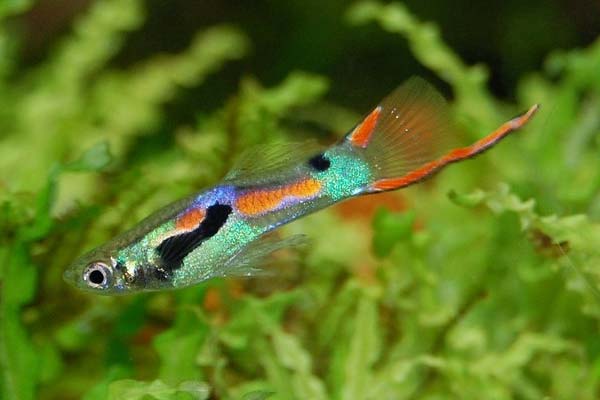
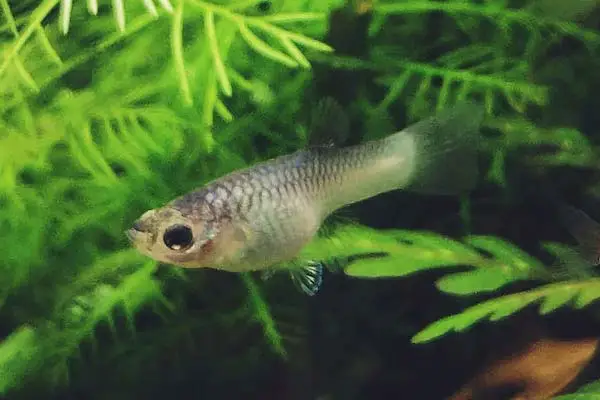
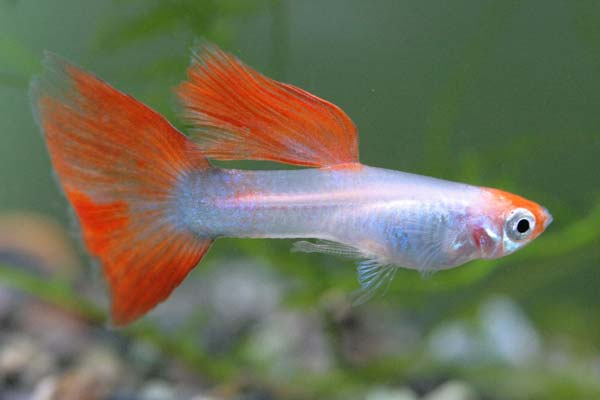
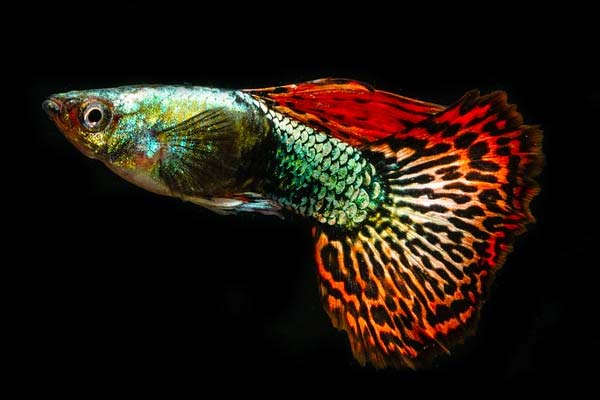
Guppies are a diverse species of fish known for their various sizes and colors. Females generally grow larger, reaching lengths of up to 2.4 inches, while males tend to be smaller, with an average size of 1.4 inches.
When choosing a tank size for guppies, it is vital to consider their size and growth rate. Guppies can overgrow, so it is essential to select a tank that can accommodate their growth.
In addition to size, it is vital to consider the swimming habits of guppies. Guppies are active fish that require plenty of swimming space. A tank that is too small can cause stress and lead to health problems.
Number of Guppies in the Tank
Consider the tank size and the number of guppies when deciding how many to keep. A rule of thumb is to allocate one gallon of water per inch of fish. For example, a 10-gallon tank can house up to 10 guppies if they are less than 1 inch long.
Overcrowding can lead to stress, aggression, and health problems. In an overpopulated tank, guppies may compete for resources such as food and oxygen, leading to an unhealthy and overcrowded environment.
Schooling Fish
Guppies are schooling fish, which means they prefer to be kept in groups. A trio of guppies is the minimum number that should be held together. Owning just one or two guppies can lead to stress, loneliness, and health problems.
Table of Recommended Tank Sizes
The table below shows the recommended tank sizes based on the number of guppies being kept to make it easier to determine the appropriate tank size for guppies.
| Number of Guppies | Tank Size |
|---|---|
| 1-3 | 5 gallons |
| 4-6 | 10 gallons |
| 7-10 | 20 gallons |
A too-small or overcrowded tank can cause guppies stress, aggression, and health issues. Considering these factors, you can establish a healthy and enjoyable environment where your guppies thrive.
Recommended Tank Sizes
When it comes to keeping guppies, providing them with a suitable tank size is crucial for their health and well-being. Here are some recommended tank sizes for different scenarios:
Single Guppy
To ensure your single guppy has enough room to swim comfortably and accommodate essential filtration and heating equipment, it is advisable to have a minimum tank size of 5 gallons.
A larger tank, such as a 10-gallon tank, would be even better, providing more space for the guppy to swim around and explore.
Small Group of Guppies
If you plan on keeping a small group of guppies, a 10-gallon tank is recommended. This will provide enough space for the guppies to swim around and interact with each other while also allowing for filtration and heating equipment to be installed. It is important to note that the group should consist of 1 male for every two females to ensure a balanced social interaction.
Breeding Tank
For breeding guppies, a separate breeding tank is recommended. This tank should be at least 10 gallons to provide enough space for the breeding pair and their fry.
It is important to note that the breeding tank should be heavily planted to cover the fry and ensure they have enough food.
When breeding guppies, it is essential to separate the female guppies from the male guppies after breeding to prevent the female from becoming stressed and to ensure the survival of the fry.
The breeding tank should also have a separate filtration system to prevent the fry from being sucked into the filter.
Tips for Tank Setup
When setting up a tank for guppies, there are a few tips to keep in mind to ensure the health and happiness of your fish. Here are some important considerations to keep in mind:
Provide Hiding Spots and Vegetation
Guppies love to have places to hide, so providing plenty of vegetation and hiding spots is essential. This can include live plants like java moss or artificial rocks and caves. This creates a more natural environment for your fish and reduces stress and aggression among tank mates.
Maintain Proper Water Quality
Maintaining good water quality is crucial for the health of your guppies. This includes monitoring water parameters like pH, ammonia, nitrite, and nitrate levels, conducting regular water changes, and using a high-quality water filter. Keeping the water clean and well-oxygenated can help prevent disease and keep your fish healthy.
Regular Monitoring and Maintenance
Regular monitoring and maintenance are essential for keeping your guppy tank in good condition. This includes testing water parameters regularly, cleaning the tank and equipment, and checking for signs of disease or other issues. By staying on top of maintenance tasks, you can prevent problems before they become severe and keep your fish thriving.
Conclusion
In summary, providing an appropriate tank size is crucial for the health and well-being of guppies. Generally, one gallon of water is needed for every inch of guppy fish.
However, it is essential to note that calculating the best tank size for guppies is not always straightforward. Factors such as the number of fish, their size, and the available space in the aquarium need to be considered.
Overcrowding can lead to a stressful environment for guppies, which can cause them to become sick and even die. Therefore, it is essential to ensure that guppies have enough space to swim and thrive. A too-small tank can also lead to poor water quality, harming the fish.
Guppies can live long and happy lives by providing an appropriate tank size. A healthy environment with ample space allows them to swim freely, which is essential for their physical and mental well-being.
Additionally, a larger tank means more plants and decorations can be added, enhancing the aquarium’s aesthetic appeal.
Providing an appropriate tank size also makes it easier to maintain the water quality, which is crucial for the health of the fish.
A larger tank has a greater water volume, effectively diluting toxins and waste products. This means the water quality remains stable for extended periods, reducing the need for frequent water changes.