What to Do with Snail Eggs in Fish Tank: Tips and Tricks
Snails are commonly added to fish tanks to clean algae and debris. However, their eggs can quickly result in overpopulation, causing problems such as dirty water and resource competition.
Proper management of snail eggs is crucial to maintain a healthy tank. Options for dealing with them include allowing natural hatching, manual removal, or using them as fish food. The choice depends on tank size, fish species, and the personal preference of the aquarist.
Key Takeaways:
- Identifying and managing snail eggs is crucial for maintaining a healthy snail population in the fish tank.
- Several options are available for dealing with snail eggs, including allowing them to hatch naturally, removing them manually, or using them as a food source for other fish in the tank.
- The most suitable approach will vary based on the tank size, fish species, and the specific requirements of the aquarist.
Identifying and Assessing Snail Eggs
Snail eggs are common in aquariums; identifying and assessing them is crucial to maintaining a healthy tank. This section will cover the characteristics of snail eggs and different species and how to monitor the snail egg population and development.
Characteristics of Snail Eggs and Different Species
Snail eggs exhibit a range of shapes, sizes, and colors, which are species-dependent. They can be translucent or opaque, and some snails lay their eggs in clusters while others lay them individually. The color spectrum of snail eggs spans from milky pink to vibrant blue, although the majority appear whitish or cream-colored.
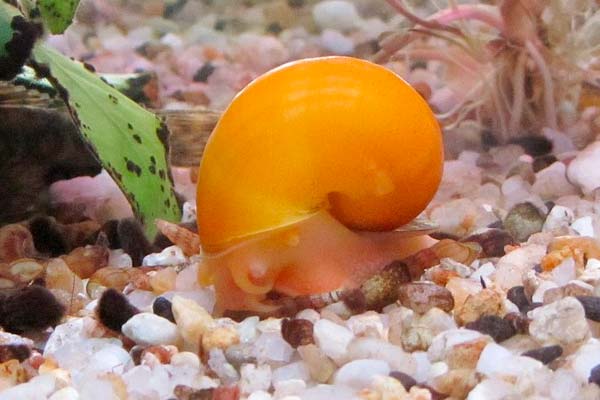
Some common aquarium snails that lay eggs include nerite, ramshorn, and mystery snails. Each species lays unique eggs that are distinct and identifiable. For example, nerite snail eggs are small and black, while ramshorn snail eggs are translucent and jelly-like.
Monitoring Snail Egg Population and Development
Monitoring the population and development of snail eggs in your aquarium is vital to prevent overpopulation. If left unchecked, snail populations can quickly spiral out of control and cause harm to the tank’s ecosystem.
To monitor the snail egg population, regularly inspect the glass walls of your aquarium, especially near the water line. Snail eggs will appear as clusters of small white dots that may resemble a tiny patch of cotton wool. If you find suspicious-looking patches on your tank walls, gently scrape them off with a razor blade and examine them under a magnifying glass.
Remove excess snail eggs from your tank before they hatch to prevent overpopulation. Using a fine mesh net, you can scrape them off the glass walls or scoop them out of the water.
Managing Snail Eggs
Snail eggs in a fish tank can quickly lead to an infestation. While some aquarists may welcome these creatures, others may want to control their population. Here are some ways to manage snail eggs in a fish tank.
Allowing Natural Hatching and Providing Hiding Places for Baby Snails
One option is to allow the snail eggs to hatch naturally and provide hiding places for baby snails. This method suits those who want to keep the snails in their aquarium.
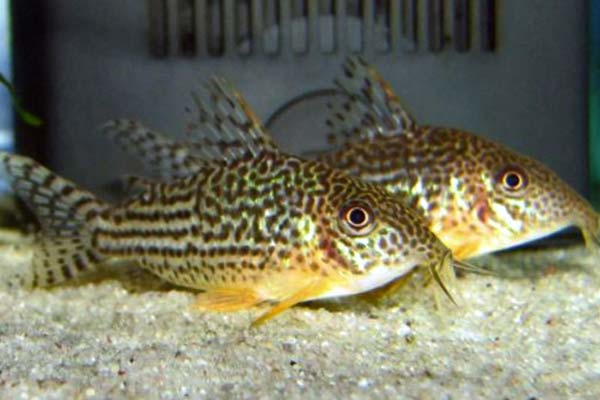
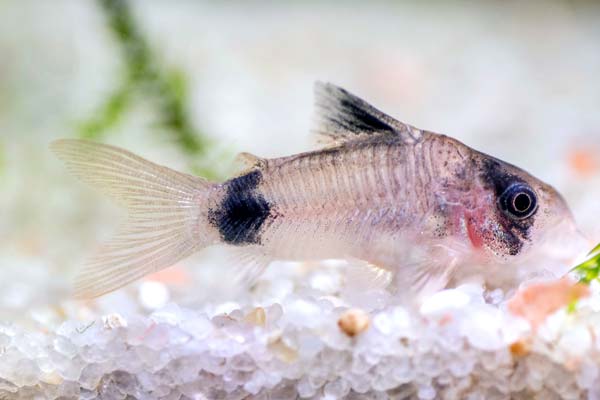
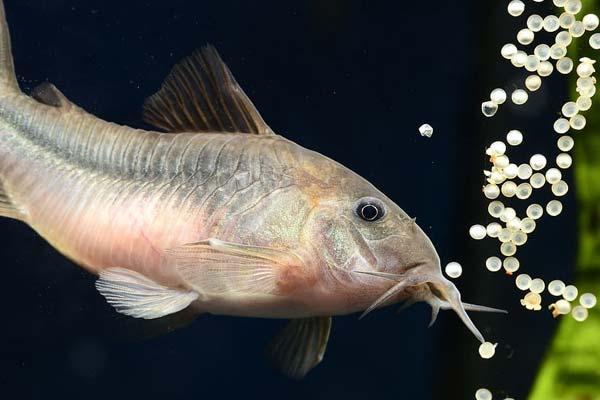
You can create hiding places using plants, rocks, or other aquarium decorations to do this. This will help the baby snails survive and grow. Some fish species, such as cory catfish, betta fish, and goldfish, will also eat snail eggs and baby snails.
Manual Removal of Snail Eggs
Another option is to remove the snail eggs manually. This method suits those who do not want snails in their aquarium. You can use a razor blade or a scraper to remove the eggs from the aquarium glass or other surfaces.
It is essential to dispose of the eggs properly. Do not flush them down the toilet or throw them in the trash. Instead, please place them in a plastic bag and freeze them for a minimum of 24 hours. This will kill the eggs, and you can dispose of them in the trash.
Introducing Snail Predators Cautiously
Introducing snail predators, such as assassin snails, loaches, and pufferfish, can also help control snail populations. However, it is essential to do this cautiously.
Some fish species, such as gourami and bala shark, may not be suitable for a community aquarium. Additionally, some snail predators may harm other fish species in the aquarium.
Before introducing any snail predators, research the species thoroughly and ensure they are compatible with your aquarium’s inhabitants.
Maintaining a Healthy Snail Population
Snails are a common addition to aquariums. They are low maintenance, help clean the tank, and can be a source of entertainment for fish enthusiasts.
However, snail populations can get out of hand if not managed properly. This section will discuss maintaining a healthy snail population in your fish tank.
Controlling Snail Reproduction Through Feeding and Water Conditions
Snails reproduce quickly, and a single snail can lay hundreds of eggs. To prevent overpopulation, it is crucial to control their reproduction. One way to do this is by controlling their food source.
Snails thrive on algae and high-protein fish food. While providing them with enough food is crucial, overfeeding can increase the snail population. It is recommended to feed them algae wafers and other high-protein food in moderation.
Water conditions are also crucial in controlling snail reproduction. Snails require a specific pH level and temperature to reproduce. Keeping the water temperature between 65 to 80 degrees Fahrenheit or 18.3 to 26.7 degrees Celsius and maintaining a pH between 7.0 and 8.0 can limit their reproduction. However, some fish species don’t do well in a cold environment, so it is essential to consider the needs of all aquarium inhabitants.
Balancing Snail Population with the Fish Tank Ecosystem
Snails play a vital role in the fish tank ecosystem. They help clean the tank by eating algae and other debris and can also provide a food source for other aquarium inhabitants. Maintaining a balance between the snail population and the ecosystem is essential.
One way to do this is by regularly cleaning the tank and maintaining the filtration system. This will help remove excess snail eggs and prevent overpopulation. It is also essential to consider the size of the tank. A smaller tank may not be able to support a large snail population.
In addition, adding algae eaters to the tank can help control the snail population. Algae eaters such as plecos and otocinclus catfish can help keep the tank clean and reduce the food available for snails.
Conclusion
Snail eggs in aquariums can quickly cause overpopulation if not appropriately handled. Snail species have unique and identifiable eggs, varying in color and texture. Dealing with snail eggs requires appropriate action to prevent harm to the aquarium ecosystem.
To manage snail eggs, removing them from surfaces using a thin card or razor blade is recommended. Seeking advice from a professional or experienced aquarist is advisable when dealing with hatched or ruptured eggs.
A balanced aquarium ecosystem is crucial for the overall health and welfare of fish and other aquatic inhabitants. While snails play a vital role in cleaning up algae and debris, an overpopulation can cause problems like clogged filters, reduced oxygen levels, and an ecological imbalance. Hence, managing snail reproduction and growth is crucial to ensure a healthy and harmonious ecosystem.