Do Cory Catfish Eat Snails? A Comprehensive Guide
Aquarium snails are a common problem for many fish keepers. They can overpopulate quickly, leaving unsightly slime trails on the glass and decorations, and even damage live plants.
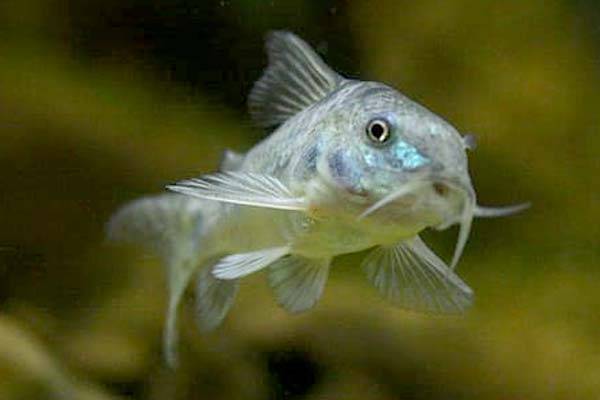
One solution to this problem is introducing a snail-eating fish into the tank. Cory catfish are a popular choice for this task, but the question remains: do they eat snails?
There is some debate in the fishkeeping hobby about whether or not cory catfish eat snails. Some argue that corydoras do not eat snails, while others claim they do. The truth lies somewhere in between.
Cory catfish are omnivorous and consume various foods, including plant and animal matter. While they may not actively seek out snails as a food source, they will eat them if they come across them.
One issue with introducing snail-eating fish into a closed aquarium system is how the snails got there in the first place. Snails can hitch a ride on live plants, decorations, or new fish. If the snails are already in the tank, introducing a snail-eating fish may help control the population but won’t eliminate the problem.
It’s essential to take steps to prevent snails from entering the tank in the first place, such as quarantining new plants and fish before adding them to the aquarium.
Identifying and Removing Snails in an Aquarium
Snails in aquariums can be helpful or problematic. To ensure a healthy and balanced ecosystem, it’s crucial to identify and control their population.
One of the first signs of a snail infestation is the appearance of small, white, or brown dots on the aquarium’s glass. These are snail eggs; if left unchecked, they can hatch and multiply quickly. Another indication of a snail infestation is the presence of snail trails on the aquarium glass or other surfaces.
To remove snails from an aquarium, there are several methods available. One of the most effective ways is to use a net or tweezers to remove the snails manually. This method is best used for larger snails that are easily visible. Removing any snail eggs that are visible to prevent future infestations is also essential.
Another method is using a gravel vac to remove snails hiding in the substrate. This method is best used for smaller snails that are harder to see. Be careful when using a gravel vac to avoid damaging the substrate or plants in the aquarium.
Adding CO2 to the aquarium can also help control snail populations. Snails thrive in environments with low oxygen levels, so increasing the CO2 levels can help reduce their numbers. However, monitoring the CO2 levels carefully is vital to avoid harming the aquarium’s fish and other aquatic life.
Do Cory Catfish Eat Snails?
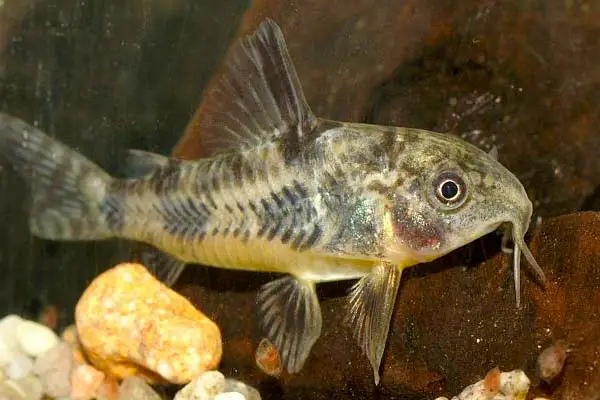
Cory catfish are known for their peaceful nature and ability to coexist with other fish species. They are omnivorous and will consume various foods, including algae, tiny invertebrates, and even fish flakes. However, whether or not they eat snails is a question that many fish enthusiasts ask.
Cory Catfish’s Feeding Habits and Snail Consumption
Cory catfish are bottom-dwellers and prefer to scavenge for food in the substrate. They have small mouths and prefer small, bite-sized pieces of food. While they are not known to be aggressive predators, they will eat small invertebrates that can fit into their mouths.
Cory catfish have been observed to eat tiny snails, but their ability to consume larger snails is limited. They may also consume snail eggs, but this is only one of their food sources.
Limitations of Corydoras in Consuming Snails
Cory catfish are not the most efficient predators for consuming snails. They may struggle to break through the hard shells of larger snails, and their tiny mouths make it difficult for them to consume larger prey.
Additionally, some snails have a protective operculum, making consuming them more challenging.
While Cory catfish may consume small snails, they are not a reliable method for controlling snail populations in an aquarium. Other fish species, such as loaches and pufferfish, are more effective predators of snails.
Snail Species Compatibility with Cory Catfish
When it comes to keeping snails with cory catfish, the compatibility of the snail species is an essential factor to consider. While cory catfish are generally peaceful and won’t harm snails, not all snail species are suitable tankmates for them. Here are some of the best snail species to keep with cory catfish:
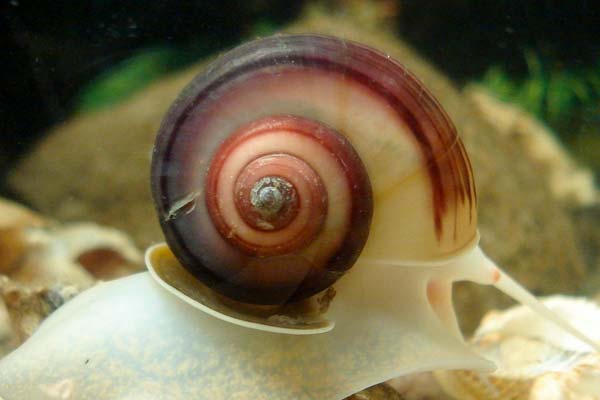
Mystery Snail
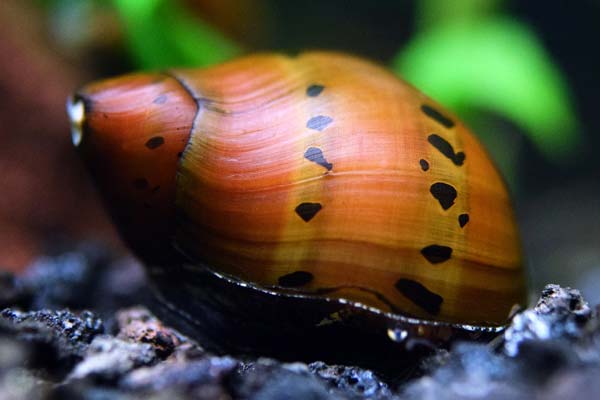
Mystery snails are popular in aquariums due to their attractive appearance and peaceful nature. They are also compatible with cory catfish as they won’t harm each other. However, it’s important to note that mystery snails can grow quite large, so keeping them in a larger tank is best.
Nerite Snail
Nerite snails are another great option to keep with cory catfish. They are small in size and won’t harm the catfish. Nerite snails are also known for keeping the tank clean by eating algae.
Assassin Snail
Assassin snails are a good choice for those who want to keep snails in their tank but also want to control their population. These snails are known for their ability to eat other snails, including pest snails like ramshorn snails.
Malaysian Trumpet Snail
Malaysian trumpet snails are another popular choice for aquariums. They are small in size and won’t harm cory catfish. These snails are also known for their ability to burrow in the substrate, which can help aerate it.
Rabbit Snails
Rabbit snails are a peaceful species that won’t harm cory catfish. They are also known for their unique appearance, long antennae, and cone-shaped shell. However, it’s important to note that rabbit snails can grow quite large, so keeping them in a larger tank is best.
Feeding Snails to Cory Catfish
Cory catfish are known for their omnivorous diet, including plant and animal matter. While they typically do not eat live adult snails, they may consume crushed snails to access the meat more easily. Depending on the snail species, corydoras may eat snail eggs or very young baby snails because their shells are softer.
If you want to feed snails to your cory catfish, choosing the right type of snails is vital. Larger snails like Mystery or Nerite snails are safe and won’t be eaten by corydoras. However, smaller pest snails may be eaten by corydoras if they are starving or not getting enough food from their regular diet.
It is also important to note that cory catfish should not be solely fed snails as their diet needs to be varied to ensure they are getting all the necessary nutrients. Feeding them a high-quality commercial food that is specifically formulated for cory catfish is recommended.
When feeding snails to cory catfish, crush them beforehand for easier consumption. Place the snail in a bag and use a blunt object, like a rolling pin, to crush it. Another option is to briefly boil the snail to soften the shell before feeding it to the fish.
Keep a close eye on your cory catfish to prevent overeating or excessive snail intake, and remove any leftover food promptly to maintain water cleanliness.
Alternative Fish That Eat Snails
If you are looking for fish that will eat snails in your aquarium, there are several options to consider. Here are a few alternative fish that eat snails:
Kuhli Loach
Kuhli loaches are small, slender fish known for their ability to eat snails. They are peaceful and can be kept in groups, making them a great addition to community tanks. Kuhli loaches are also known for their exciting behavior and can be fun to watch.
Dwarf Puffer Fish
Dwarf puffer fish are another option for those looking for fish that eat snails. These small, colorful fish are known for their ability to crack open snail shells with their powerful beaks. However, it is essential to note that dwarf puffer fish are not suitable for community tanks as they can be aggressive toward other fish.
Zebra Loach
Zebra loaches are a popular choice for those looking for fish that eat snails. They are peaceful and can be kept in groups, making them a great addition to community tanks. Zebra loaches are also known for their exciting behavior and can be fun to watch.
Other Fish That Eat Snails
In addition to the fish mentioned above, several other fish are known for their ability to eat snails. Some of these include:
- Yoyo loach
- Clown loach
- Gourami
It is important to note that not all fish are suitable for all aquariums. Before adding any fish to your tank, research their care requirements and compatibility with other fish in your aquarium.
Creating a Harmonious Environment for Cory Catfish and Snails
To create a harmonious environment for cory catfish and snails, it’s essential to consider several factors. Adjusting water parameters, providing adequate tank size, performing regular water changes, introducing live plants, and proper feeding practices are all crucial elements to ensure the well-being of these aquatic creatures.
Firstly, adjusting water parameters is essential. Cory catfish and snails prefer a pH range between 6.5 to 7.5 and a water hardness of 5 to 15 dGH. Ensure cleanliness by using a high-quality filter and conducting regular water changes to remove harmful chemicals.
Secondly, adequate tank size is vital for Cory catfish and snails. They require enough space to move and explore. It is recommended to have a minimum tank size of 20 gallons for a small group of cory catfish and snails.
Thirdly, introducing live plants can provide a natural habitat for cory catfish and snails. Plants add beauty to the aquarium, provide hiding places, and help maintain water quality by absorbing excess nutrients and producing oxygen.
Fourthly, proper feeding practices are essential to keep cory catfish and snails healthy. Cory catfish are omnivores and will eat various foods, including sinking pellets, frozen or live foods, and vegetables.
On the other hand, snails are herbivores and will feed on algae and leftover food. Providing a balanced diet for both cory catfish and snails is essential.
Lastly, selecting compatible tankmates is crucial for creating a peaceful environment. Cory catfish and snails are peaceful fish and can coexist with other peaceful freshwater fish and algae eaters. It’s important to avoid aggressive fish that may harm cory catfish and snails.
Dealing with Snails When Cory Catfish Won’t Eat Them
Despite their reputation as bottom-feeders that eat almost anything, cory catfish may not always be the solution to a snail infestation in a fish tank.
In cases where the snail population is out of control or the snails have hard shells, cory catfish may be unable to eat them. In such cases, fishkeepers can take several manual removal methods, holistic approaches, and drastic measures to control the snail population.
Manual Removal Methods
Manual removal methods are the most straightforward approach to controlling snail populations. Fishkeepers can remove snails by hand or with a snail trap. To remove snails by hand, fishkeepers can scoop them out of the tank with a net or tongs. A snail trap is a more efficient method involving baiting the snails with food and trapping them in a container.
Holistic Approaches
Holistic approaches involve introducing natural predators or competitors to the tank to control the snail population. Assassin snails are a popular choice for controlling pest snails in a tank. They are known to eat other snails, including those with hard shells. However, introducing assassin snails to a tank requires careful consideration as they can harm other inhabitants.
Drastic Measures
Drastic measures involve using chemicals or removing all the tank inhabitants to start over. Using chemicals to control snail populations is not recommended as it can harm other tank inhabitants. Removing all the tank inhabitants is a last resort and should only be done if the snail population is out of control and other methods have failed.
Conclusion
In summary, whether Cory Catfish eat snails has a straightforward answer. Most Cory Catfish do not eat living snails, and they make perfect companions for small fish that prey on snails, such as loaches. While some aquarists may argue that Cory Catfish can eat snails in the right circumstances, it is unlikely that adding a Cory will solve a snail problem in an aquarium.
Cory Catfish are known for scavenging and consuming various foods, including plant and animal matter. However, they are not particularly efficient at killing and eating snails. Even if Cory manages to consume a snail, it is unlikely to impact the snail population in an aquarium significantly.
It is also important to note that not all snails harm an aquarium. Some species of snails are beneficial and help to maintain a healthy ecosystem. Therefore, it is essential to identify the type of snail in an aquarium before taking any action.