Why Is My Fish Swimming Up and Down? Understanding the Possible Causes.
Fish are fascinating creatures that can bring life and color to any aquarium. However, sometimes they exhibit unusual behavior that can concern their owners.
One such behavior is when fish swim up and down in the tank. This behavior can be a sign of a problem or simply a natural behavior, and it is crucial to understand the reasons behind it.
There are several reasons why fish might be swimming up and down in the tank. It could be a sign of stress, illness, or boredom. Identifying the cause of this behavior can be challenging, but it is crucial to address the issue to ensure the health and well-being of the fish.
Key Takeaways
- Fish swimming up and down in the tank can signify stress, illness, or boredom.
- Identifying the cause of this behavior is crucial to ensure the health and well-being of the fish.
- Preventive measures can help keep your fish healthy and happy.
Reasons for Fish Swimming Up and Down
Fish swimming up and down the tank can be alarming for any fish owner. There are several reasons why fish may exhibit this behavior, including water quality issues, stress or discomfort, and disease or health problems.
Water Quality Issues
Fish swimming up and down is often a symptom of poor water quality. High ammonia or nitrate levels in the water can be toxic and cause fish stress.
Swim bladder disease can also result in erratic swimming and difficulty maintaining an upright position. Maintaining proper water parameters and conducting regular water changes are essential to prevent these issues.
Stress or Discomfort
Stress or discomfort can also cause fish to swim up and down. This can be due to various factors, such as overcrowding, incompatible tank mates, or environmental changes. Fish may also become stressed due to poor water quality or illness. Providing a comfortable and suitable environment for your fish can help reduce stress and improve their quality of life.
Disease or Health Problems
Fish swimming up and down may also indicate disease or health problems. Parasitic infections or other illnesses can cause fish to become lethargic or exhibit abnormal swimming behavior. Monitoring your fish’s behavior and appearance regularly and seeking veterinary care if you suspect they may be ill is crucial.
Identifying and Resolving the Issue
If you notice your fish swimming up and down in the tank, it could indicate an underlying problem. Identifying and resolving the issue is crucial to ensure the well-being of your fish. Here are some steps to help you identify and resolve the problem.
Observing Fish Behavior
The first step is to observe your fish’s behavior. Is it swimming up and down erratically or glass surfing? If it is glass surfing, it could be a sign of stress or boredom. If it is swimming up and down erratically, it could be a sign of a health issue or water quality problem.
Monitoring Water Parameters
Check the water parameters regularly using a reliable test kit like the API Freshwater Master Kit. Ensure the temperature, pH, ammonia, nitrite, and nitrate levels are within the recommended range. Sudden changes in water parameters can cause shock and stress to fish.
Consulting with a Fish Expert
If you need clarification on the problem, it is best to consult with a fish expert. They can guide in identifying and resolving the issue.
Addressing Water Quality Problems
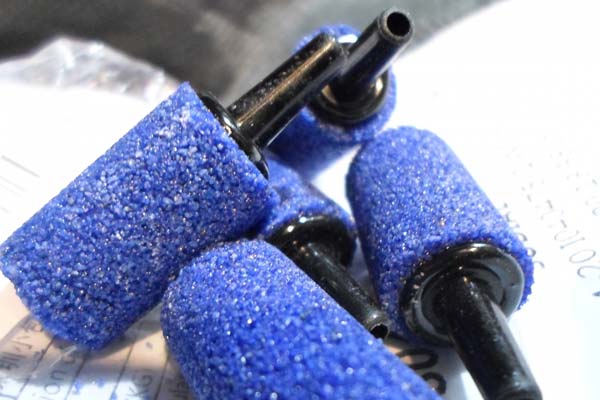
Fish swimming up and down is often due to poor water quality, typically caused by overfeeding, overstocking, and insufficient water changes. These conditions can lead to harmful substances like ammonia and nitrite accumulating in the water. To address this issue, it is crucial to maintain excellent water quality by performing regular water changes and using a water pump for proper aeration.
Enhancing Fish Tank Conditions
Fish need a suitable environment to thrive. Ensure that the tank size is appropriate for your type and number of fish. Consider adding plants and decorations to provide hiding places and stimulate your fish.
Treating Diseases or Health Issues
If your fish is swimming up and down, addressing any health issues is crucial. Bacterial infections, physical injuries, and swim bladder disease are common culprits for this behavior. Administering appropriate treatments, such as antibiotics, can help cure the problem and ensure your fish’s well-being.
Preventive Measures
Maintaining a healthy and stress-free environment for your fish is crucial to prevent them from swimming up and down erratically. Here are some preventive measures that can be taken to ensure your fish remain healthy and happy.
Maintaining a Suitable Environment
Creating a suitable environment that mimics their natural habitat is vital for the well-being of your fish. This involves ample swimming space, proper filtration, and appropriate lighting.
Avoid overcrowding the tank, as it can lead to stress and aggression among fish. Additionally, ensure the tank is free from sharp objects or potentially harmful decorations that may endanger your fish.
Regularly Monitoring Water Quality
Monitoring water quality is crucial to keeping your fish healthy and relaxed by avoiding poor water conditions. Perform water changes and regularly test the parameters such as pH, ammonia, nitrite, and nitrate levels. Prevent sudden changes in water temperature or chemistry, as they can cause stress and illness in fish.
Providing a Balanced Diet
A balanced diet is vital for your fish’s overall health and well-being. Please provide them with a variety of appropriate foods for their species. Avoid overfeeding your fish, leading to obesity and other health issues. Some fish may benefit from the occasional feeding of peas to aid digestion.
Quarantining New Fish
Quarantining new fish before introducing them to the main tank is vital to prevent the spreading of diseases and parasites. This can help reduce stress and prevent illness in your existing fish.
Regular Observation and Interaction
Regular observation and interaction with your fish can help you identify any issues early. Observe their behavior and look for signs of stress or illness, such as shimmies, loss of appetite, or abnormal swimming behavior. Interact with your fish by providing them with toys and decorations that can help reduce stress and boredom.
These preventive measures can help ensure your fish remain healthy and happy and avoid swimming up and down erratically.
Conclusion
In conclusion, fish swimming up and down in their tank can indicate various issues, including stress, boredom, or natural behavior. To ensure the well-being of the fish:
1. Address stress by maintaining a clean and healthy tank environment, avoiding overfeeding, and monitoring their health regularly.
2. Prevent boredom by providing the tank with toys, plants, and hiding spots.
3. Recognize that some fish species may naturally swim vertically, but sudden changes in behavior require investigation.
By identifying the root cause, appropriate action can be taken to maintain a happy and healthy environment for the fish.