Why Is My Cory Catfish Swimming Crazy? Understanding Common Causes and Solutions
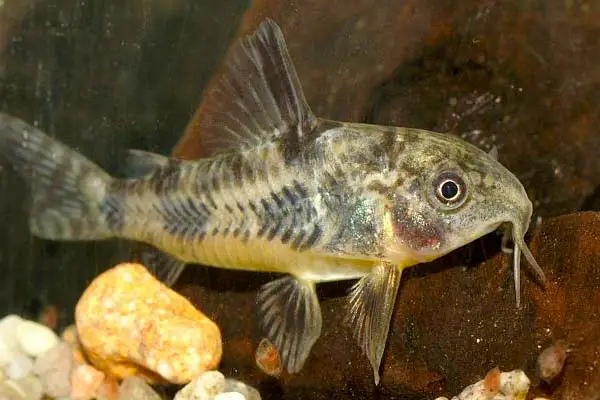
Cory Catfish are famous among fish enthusiasts for their peaceful nature and unique appearance.
However, sometimes these fish may exhibit erratic swimming behavior that can concern their owners. This behavior may include swimming up and down the tank, glass surfing, or darting around the tank.
This article explains why Cory Catfish may swim erratically and what it means for their health. Owners must understand normal swimming behavior to recognize when their fish may be experiencing stress or discomfort.
Unusual Swimming Behaviors
Cory Catfish are known for their playful and active swimming behavior, but sometimes they can exhibit unusual swimming behaviors that can concern their owners.
This section will discuss some common unusual swimming behaviors that Cory Catfish can exhibit and what they might mean.
Swimming up and down
If your Cory Catfish swim up and down the tank, it could be a sign of stress or poor water quality. Poor water quality can cause stress and discomfort, leading to erratic swimming behavior. Maintaining good water quality is crucial to performing regular water changes and monitoring the water parameters.
Swimming at the top of the tank
Cory Catfish are bottom-dwelling fish, so swimming at the top of the tank could signify stress or discomfort. It could also indicate poor water quality or low oxygen levels. Make sure to check the water parameters and ensure that there is adequate oxygenation in the tank.
Swimming all over the tank
If your Cory Catfish is swimming all over the tank, it could signify excitement or playfulness. However, if it’s a sudden behavior change, it could also be a sign of stress or discomfort. Monitor the water parameters and ensure that there are no aggressive tank mates that could be causing stress.
Glass surfing behavior
Glass surfing in Cory Catfish indicates stress, boredom, poor water quality, or inadequate tank space. Enhance their environment with hiding spots and decorations. Maintain water quality and perform regular water changes. If the behavior continues, seek advice from a veterinarian or experienced aquarist.
Darting in spirals or to the surface
If your Cory Catfish is darting in spirals or to the surface, it could be a sign of stress or discomfort. It could also indicate poor water quality or low oxygen levels. Make sure to check the water parameters and ensure that there is adequate oxygenation in the tank.
Possible Reasons for Erratic Swimming
Cory catfish are generally peaceful and active fish, but sometimes they may exhibit erratic swimming behavior that can concern their owners. There can be various reasons behind this behavior, some of which are discussed below:
Poor Water Conditions
Cory catfish are sensitive to poor water conditions, and their erratic swimming behavior could indicate distress due to bad water quality. High ammonia, nitrate, and nitrite levels can harm their health and cause stress, leading to erratic swimming behavior. Therefore, regular water changes and monitoring parameters are necessary to maintain good water quality.
Unstable Water Temperatures
Cory catfish require stable water temperatures to thrive, and fluctuations in water temperature can cause stress and erratic swimming behavior. Therefore, it is essential to maintain a stable water temperature in the tank.
Stress Factors
Stress is a common cause of erratic swimming behavior in cory catfish. Stress factors can include overcrowding, aggressive tankmates, incompatible tankmates, and poor water conditions. Therefore, providing a stress-free environment for cory catfish is necessary by maintaining good water quality, providing adequate space, and avoiding aggressive or incompatible tank mates.
Overcrowding
Overcrowding can cause stress and erratic swimming behavior in cory catfish. Therefore, providing enough space for them to swim and avoid overcrowding the tank is necessary.
Overfeeding
Overfeeding can lead to poor water quality, which can cause stress and erratic swimming behavior in cory catfish. Therefore, it is essential to feed them in moderation and avoid overfeeding.
Other Factors
Other factors that can cause erratic swimming behavior in cory catfish include issues with food, new fish added, and reflection. It is necessary to monitor their behavior and environment to identify potential issues and take appropriate action to address them.
Normal Swimming Behavior of Cory Catfish
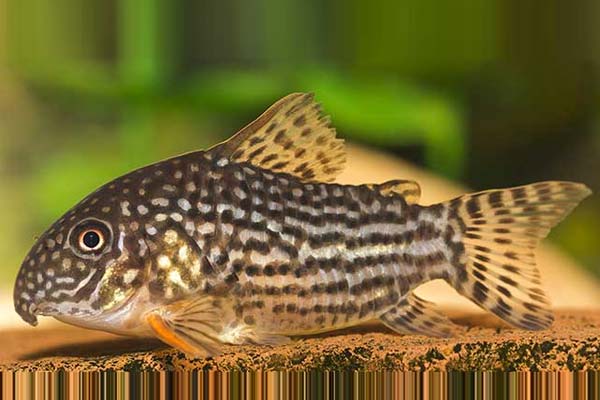
Cory catfish are bottom-dwelling fish known for their peaceful and social nature. They are often kept in groups of 3 or more and prefer to stay close to each other. Regarding swimming behavior, Cory catfish tend to move in short bursts, darting around the tank before returning to their preferred spot.
Cory catfish are not known to be strong swimmers and prefer to stay close to the bottom of the tank. They have a unique way of swimming, moving their pectoral fins rapidly, allowing them to move forward and backward quickly. This movement is often called “paddling” and is a characteristic feature of Cory catfish.
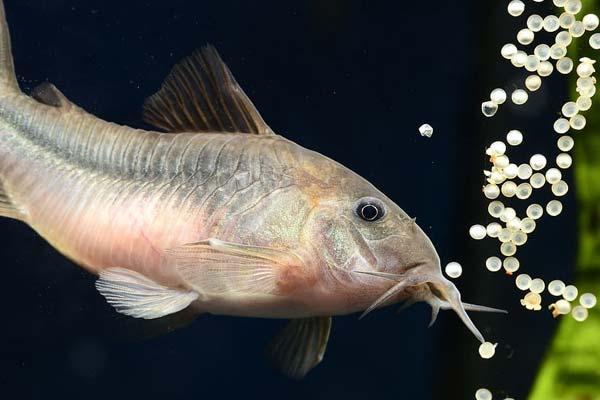
Regarding breeding behavior, male Cory catfish may become more active and swim around more frequently to attract a female. This behavior is usually short-lived and should not be a cause for concern.
Preventive Measures
Owners should take a few preventive measures to prevent Cory catfish from swimming crazily. These measures include maintaining good water conditions, monitoring and maintaining ideal water parameters, avoiding overcrowding, selecting compatible tankmates, feeding in moderation, creating a stress-free environment, and performing regular water changes.
Maintaining good water conditions is crucial for the health of Cory catfish. Owners should regularly check the water quality using a test kit and ensure the water is free from harmful chemicals and contaminants. They should also ensure that the water is fresh and has adequate aeration.
Monitoring and maintaining ideal water parameters is also essential. Cory catfish thrive in water with a pH range of 6.0 to 8.0, a temperature range of 72 to 82 degrees Fahrenheit, and a moderate to high hardness level. Owners should ensure that these parameters are consistently maintained.
Overcrowding can cause stress and lead to erratic swimming behavior. Owners should avoid overcrowding their tanks and ensure enough space for each fish to swim freely.
Selecting compatible tankmates is also crucial. Cory catfish are peaceful and prefer to live with other peaceful fish. Owners should avoid keeping them with aggressive or territorial fish that may stress them out.
Feeding Cory Catfish in moderation is crucial to prevent poor water quality and stress. Avoid overfeeding and ensure that no uneaten food is left in the tank.
Creating a stress-free environment is also essential. Owners should provide hiding places and plants to create a natural environment miming the fish’s natural habitat. They should also avoid sudden changes in lighting and water conditions that may stress the fish.
Performing regular water changes is also crucial. Owners should perform partial water changes every week to keep the water clean and healthy for the fish. They should also ensure that the new water is at the same temperature and pH level as the old water to prevent shock.
Tank Conditions for Cory Catfish
Cory catfish are hardy fish that can tolerate a range of water conditions. However, to keep them healthy and happy, it is vital to maintain proper tank conditions. Here are some factors to consider:
Proper Tank Setup and Maintenance
A well-maintained tank is essential for the health of your cory catfish. The tank should be large enough to provide plenty of swimming space for your fish. Cory catfish are social creatures and should be kept in groups of at least six. The tank should be properly cleaned and maintained to prevent the buildup of harmful bacteria.
Filtration and Water Changes
Filtration is vital to keep the water clean and healthy for your cory catfish. A good filter can handle the size of your tank and the number of fish you have. Regular water changes are also essential to maintain good water quality. Changing 25% of the water in your tank every two weeks is recommended.
Water Parameters
For Cory Catfish, maintain water pH between 6.0 and 7.5, temperature 72°F to 78°F. Monitor water regularly, especially in new tanks. Keep ammonia and nitrite at 0 ppm, and nitrate below 40 ppm.
Substrate and Decorations
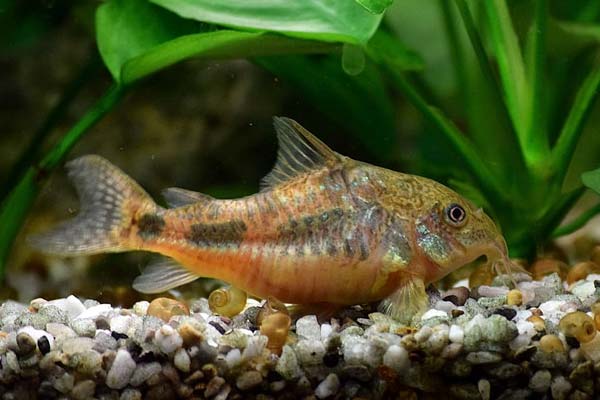
Cory catfish are bottom dwellers and prefer soft surfaces like sand or fine gravel. Sharp or rough substrates can damage their delicate barbels. Decorations like plants and rocks can provide hiding places and create a more natural environment for your fish.
Oxygen and Air Pump
Cory catfish require good oxygenation in their tank. An air pump and an air stone can help increase the water’s oxygen levels. It is crucial to avoid creating too much turbulence in the water, as this can stress out your fish.
Poor Water Quality
Poor water quality can stress and make your cory catfish sick. Regularly monitor water parameters and take action if needed. Avoid overfeeding, overstocking, and inadequate filtration to maintain good water quality.
Understanding Cory Catfish Behavior
Cory catfish are peaceful freshwater bottom feeders that are popular among fish keepers. They are known for their playful and curious nature, but sometimes they may exhibit strange behavior that can indicate stress or unhappiness. Here are some things to look out for to understand your Cory catfish’s behavior:
Identifying Signs of Stress and Happiness
Cory catfish are generally happy and active fish but may exhibit certain behaviors if stressed. Signs of stress include often hiding, shyness, passive behavior, loss of color, and sickness symptoms. On the other hand, happy Cory catfish are active, curious, and playful.
Tank Mates and Community Tank
Cory catfish are peaceful fish that coexist with other peaceful fish in a community tank. They prefer to be in groups of at least six and enjoy their kind’s company. However, they may become stressed if they are in an overcrowded tank or kept with aggressive fish.
Hiding Spots and Groups
Cory catfish like to have hiding spots in their tank, such as caves, plants, or decorations. These spots provide them with a sense of security and comfort. They also prefer to be in groups, and keeping them alone can cause stress and unhappiness.
Breeding
Breeding behavior is typical for Cory catfish but can also cause stress and aggression. It is best to provide them with a separate breeding tank if you plan to breed them.
Appetite
Cory catfish are bottom feeders and have a healthy appetite. If they are not eating, it may be a sign of stress or illness.
Understanding your Cory catfish’s behavior is essential for their health and happiness. You can ensure they are happy and stress-free by providing a suitable environment, proper tank mates, and enough hiding spots.
Conclusion
In conclusion, there are several reasons why a Cory Catfish may be swimming erratically or “crazy.” Stress is a common culprit, which various factors, including poor water quality, overcrowding, and aggressive tank mates, can cause.
If a new tank setup has been recently established, the catfish may be adjusting to its new environment. It is crucial to ensure that the tank is appropriately cycled and that water quality is regularly monitored and maintained to prevent stress from occurring.
Avoid overcrowding in your fish tank to prevent stress and erratic behavior. Follow the one-inch-of-fish-per-gallon rule and avoid overstocking.
Bad quality water can also cause stress in Cory Catfish, leading to erratic swimming. Regular water changes and proper filtration can help maintain water quality and prevent stress from occurring.