Do Goldfish Need a Heater? A Closer Look at Temperature Requirements and Care
Goldfish are popular pets known for their vibrant colors and playful nature. However, many people are unsure whether their goldfish need a heater in their tank.
The answer to this question is not a simple yes or no. While goldfish are generally considered cold-water fish, not all are the same. Some goldfish species require warmer water temperatures to thrive, while others can survive in cooler water.
Key Takeaways
- The temperature range that goldfish can tolerate varies depending on the species.
- Factors that influence the need for a heater include the size of the tank, the number of fish, and the room’s ambient temperature.
- A heater can help maintain consistent temperatures and provide a more comfortable environment for goldfish.
Understanding Goldfish and Temperature Range
Characteristics of Goldfish and Their Natural Habitat
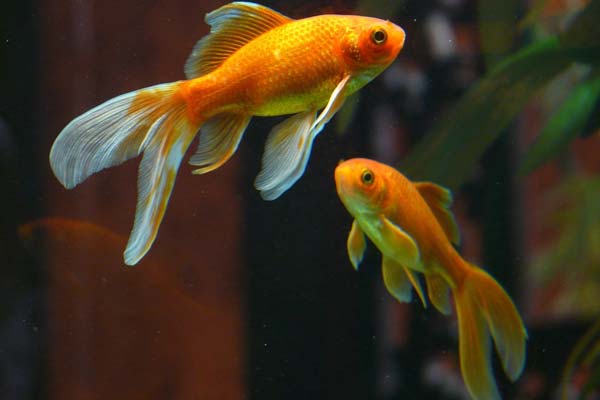
Goldfish are freshwater fish that belong to the family Cyprinidae. They are native to East Asia and were first domesticated in China over a thousand years ago. Goldfish are known for their bright colors and distinctive body shapes.
They are social animals and thrive in groups. In their natural habitat, goldfish live in slow-moving rivers, ponds, and lakes with temperatures ranging from 50°F to 75°F.
Optimal Temperature Range for Goldfish
The ideal temperature range for goldfish in an aquarium is between 68°F to 74°F (20°C to 23°C). However, the optimal temperature range may vary depending on the type of goldfish.
Fancy goldfish, for example, are more sensitive to temperature changes and require a more stable temperature range. On the other hand, common goldfish are more tolerant of colder temperatures and may even thrive in cooler water.
It is important to note that goldfish are cold-water fish and do not require a heater if the room temperature remains between 65°F to 75°F. However, if the temperature falls below 60°F, a heater may be necessary to maintain a stable temperature range.
Here is a table summarizing the optimal temperature range for different types of goldfish:
| Type of Goldfish | Optimal Temperature Range |
|---|---|
| Fancy goldfish | 68°F to 74°F (20°C to 23°C) |
| Common goldfish | 60°F to 70°F (15.5°C to 21°C) |
| Shubunkin | 50°F to 75°F (10°C to 23°C) |
It is crucial to monitor the temperature of the water regularly to ensure that it remains within the optimal range for your goldfish. A good-quality aquarium thermometer can be used to check the fish tank’s temperature.
Factors Influencing the Need for a Heater
When it comes to deciding whether a goldfish needs a heater or not, there are several factors to consider. This section will explore the most critical factors influencing the need for a heater.
Temperature Fluctuations and Room Conditions
The ambient temperature of the room where the goldfish tank is located can significantly impact the water temperature. If the room temperature fluctuates frequently, it can cause the water temperature to rise or drop, harming the goldfish. A heater can help maintain a stable water temperature and prevent fluctuations in such cases.
Climate Variations and Tank Location
The climate where the goldfish tank is located can also affect the water temperature. If the climate is cold, it can cause the water temperature to drop, making it difficult for the goldfish to survive. In such cases, a heater can be essential to maintain a suitable water temperature for the goldfish.
Additionally, the location of the tank can also play a role. If the tank is near a window or a drafty area, it can cause the water temperature to fluctuate, harming the goldfish.
Breed-Specific Temperature Tolerance
Different breeds of goldfish have different temperature tolerances. Some breeds, such as common goldfish, can tolerate colder water temperatures than other breeds, such as fancy goldfish.
For example, Orandas, Tamasaba, Phoenix goldfish, Oranda goldfish, and Fantail goldfish are all fancy goldfish breeds that require warmer water temperatures to thrive. Therefore, it is essential to consider the breed of goldfish when deciding whether a heater is necessary.
Benefits of a Heater and Consequences of Incorrect Temperatures
Ensuring a stable temperature in a goldfish tank is vital for the health and well-being of the fish. While a heater can aid in achieving this, it is crucial to consider the advantages and potential drawbacks of its usage.
Importance of a Heater for Maintaining Stable Temperatures
Goldfish, being cold-water fish, still require a consistent temperature range to thrive. A heater is necessary to maintain a stable temperature, vital for their immune system and metabolism. Without a heater, fluctuating water temperatures can stress and shock the fish, leading to lethargy and diseases.
A heater can also help regulate the temperature during colder months or in rooms with inconsistent temperatures. It can prevent the water from becoming too cold and slow the fish’s metabolism, leading to growth concerns.
Potential Health Issues and Growth Concerns from Incorrect Temperatures
Incorrect temperatures can have severe consequences for goldfish. If the water is too cold, goldfish can become lethargic, and their immune system may weaken, making them more susceptible to diseases and infections.
On the other hand, if the water is too warm, it can lead to stress and shock, compromising their immune system and making them prone to diseases.
Inconsistent temperatures can also affect the growth of goldfish. If the water is too cold, it can slow down their metabolism, leading to stunted growth. Conversely, if the water is too warm, it can speed up their metabolism, causing them to grow too quickly, leading to health concerns.
Alternatives to Heaters and Seasonal Adjustments
Heaters are not the only option when it comes to maintaining the right temperature for your goldfish tank. Here are a few alternatives and seasonal adjustments that can help regulate the temperature of your goldfish tank.
Regulating Room Temperature for Goldfish Tanks
One way to regulate the temperature of your goldfish tank is to adjust the temperature of the room where the tank is located. If the room is too cold, use a space heater or adjust the central heating system to increase the temperature. Similarly, if the room is too warm, you can use a fan or air conditioner to lower the temperature.
It is crucial to monitor the room’s temperature and adjust it as necessary to ensure that the temperature of the water remains within the appropriate range for your goldfish.
Insulation and Coverings as Temperature Management Techniques
Another way to regulate the temperature of your goldfish tank is to use insulation and coverings. Insulation can help keep the water warm by preventing heat from escaping the tank. You can use insulation materials like foam boards or bubble wrap to insulate the tank.
Coverings can also help regulate the temperature of the water by preventing heat loss. You can use a cover made of glass or acrylic to cover the top of the tank. This will help keep the heat inside the tank and prevent it from escaping into the room.
It is important to note that these alternatives and seasonal adjustments are not a substitute for a heater. They are meant to be used in conjunction with a heater to help regulate the temperature of the water and maintain a stable environment for your goldfish.
| Pros | Cons |
|---|---|
| Regulating room temperature is a cost-effective option | May be difficult to maintain a consistent temperature |
| Insulation materials are readily available and affordable | Coverings may reduce the amount of oxygen in the water |
| Coverings can prevent debris from falling into the tank | Insulation may take up additional space around the tank |
Selecting and Operating a Heater
Types of Heaters Suitable for Goldfish Tanks
Two main types of heaters are suitable for goldfish tanks: submersible and suction cup heaters. Submersible heaters are fully submerged in water and are easy to install.
On the other hand, suction cup heaters are attached to the side of the tank and partially submerged in water. Both types of heaters come in different wattage options, so choosing the correct wattage for your tank size is essential.
Factors to Consider When Choosing a Heater
When choosing a heater for your goldfish tank, consider the tank size to determine the appropriate wattage. The ambient room temperature also plays a role in maintaining water temperature. Additionally, the specific goldfish species you have may have different temperature requirements.
Proper Installation, Placement, and Temperature Control
Proper installation of your heater is crucial to ensure its effectiveness and safety. Before installing your heater, read the manufacturer’s instructions carefully. Once installed, place the heater near the filter outflow to ensure even heat distribution throughout the tank.
Regularly check the water temperature using a thermometer to regulate your tank’s temperature. Adjust the heater accordingly to maintain a consistent temperature. Avoid abrupt temperature changes, as they can be harmful to goldfish. Gradual adjustments are recommended for their well-being.
Additional Considerations for Goldfish Care
Compatibility with Other Tank Equipment
When setting up a tank for goldfish, it is vital to consider the compatibility of the equipment used. Goldfish are known to be messy eaters, so it is recommended to use a filter appropriate for the size of the tank.
Goldfish also require oxygen-rich water, which can be achieved through an air pump or other aeration equipment. It is crucial to ensure that the equipment used is suitable for the size of the tank and the number of goldfish being kept.
Water Quality Maintenance and Monitoring
Maintaining water quality is essential for the health of goldfish. Monitoring water temperature and quality is crucial as goldfish are sensitive to parameter changes.
Keeping ammonia and nitrite levels at 0 ppm and nitrate levels below 40 ppm is essential. Regular water changes and a test kit are necessary to ensure good water quality.
Potential Risks and Precautions Associated with Heaters
Goldfish are adaptable to various temperatures, but it is crucial to maintain a stable water temperature within the recommended range of 68°F – 74°F (20°C – 23°C).
If a heater is used, it is crucial to ensure that it is appropriate for the size of the tank and the number of goldfish being kept. Overheating can be a risk, so it is vital to use a thermometer to monitor the water temperature and ensure that the heater functions correctly.
In addition, it is vital to keep the heater away from any decorations or other tank equipment to prevent damage or injury to the goldfish.
Conclusion
In summary, the ideal water temperature for goldfish is between 65 and 74 degrees Fahrenheit. While some species can tolerate colder temperatures, it is recommended to use a heater to maintain a consistent and comfortable environment.
Regular temperature checks and adjustments are necessary. Goldfish owners should monitor room temperature and gradually acclimate the fish to any changes. Ensuring a comfortable temperature is essential for the well-being of goldfish.