Can Cory Catfish Live Alone? Expert Advice on Maintaining a Healthy Aquarium
Cory catfish is a popular freshwater fish species among aquarium enthusiasts. Their small size, peaceful nature, and low maintenance requirements make them an excellent choice for any aquatic setup.
Cory catfish are social fish that prefer to live in groups. While they can survive alone, they are much happier and healthier when kept in a school of at least five or six individuals.
They may become stressed and prone to diseases and parasites when kept alone. Therefore, knowing what they need to live happily and healthily is essential.
Key Takeaways
- Cory catfish are social fish that prefer to live in groups.
- Keeping them alone can lead to stress and health problems.
- Understanding their living requirements is crucial to keeping them happy and healthy.
Cory Catfish – A Social Species
Cory catfish are a social species of fish that are known for their peaceful nature and playful behavior. They are often found in freshwater rivers and streams in South America, where they live in large groups.
In their natural habitat, they form schools of up to hundreds of individuals and spend most of their time foraging for food and exploring their surroundings.
Keeping Cory catfish in groups of at least five or six individuals is essential in captivity. They are schooling fish and prefer to live in a large group.
They can become stressed and prone to various diseases and parasites when kept alone. But, if they’re in a group, they’ll feel safer and more at ease in their home.
Cory catfish are known for their playful and curious behavior. They are active during the day and spend most of their time exploring their surroundings and interacting with other fish in the tank.
They are also known for their unique swimming style, which involves moving their pectoral fins in a circular motion, giving the impression that they are walking on the bottom of the tank.
Can Cory Catfish Live Alone?
Cory catfish are social fish that prefer to live in a group. While they can survive alone, keeping a single Cory catfish is not recommended. Here are some pros and cons of owning a single Cory catfish:
Pros of Keeping a Single Cory Catfish
- You don’t need to worry about compatibility issues with other fish in the tank.
- A single Cory catfish will produce less waste than a group, making maintenance easier.
- You can save money by not having to purchase multiple fish.
Cons of Keeping a Single Cory Catfish
- Cory catfish are social creatures and thrive in groups. Keeping a single fish can lead to loneliness and stress.
- A single Cory catfish may become aggressive toward other fish in the tank due to a lack of social interaction.
- If the lone Cory catfish gets sick, it has no companions to help it fight off the illness.
The effects of loneliness on the health and behavior of Cory catfish are well-documented. Keeping a single Cory catfish can lead to stress, depression, and even death. Experts recommend keeping at least five to six Cory catfish together to form a good school for them.
Ideal Tank Mates for Cory Catfish
Cory catfish are peaceful, social fish that thrive in groups of at least six. When choosing tank mates for your cory catfish, selecting fish compatible with their friendly nature is essential. Here are some suitable tank mates for cory catfish:
- Neon Tetra: Neon tetras are a natural choice of tank mate for cory catfish, as they are often found swimming together in the wild. Both species are peaceful and non-aggressive, making them great companions in a community tank.
- Ottos: Ottos, also known as otocinclus catfish, are small, peaceful fish that are compatible with cory catfish. They are also great algae eaters, which can help keep your tank clean.
- Swordtails: Swordtails are another peaceful fish that can coexist with cory catfish. They are active swimmers and can add color to your tank with their bright, long tails.
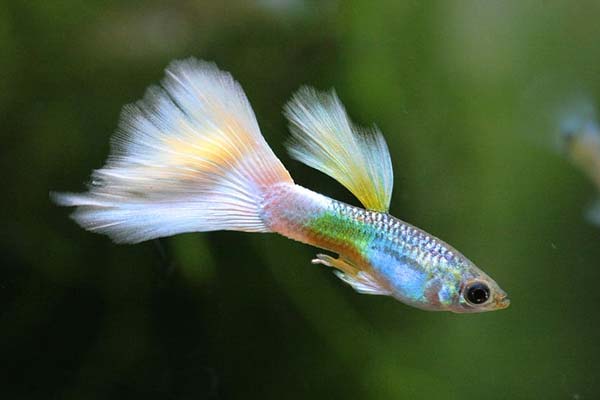
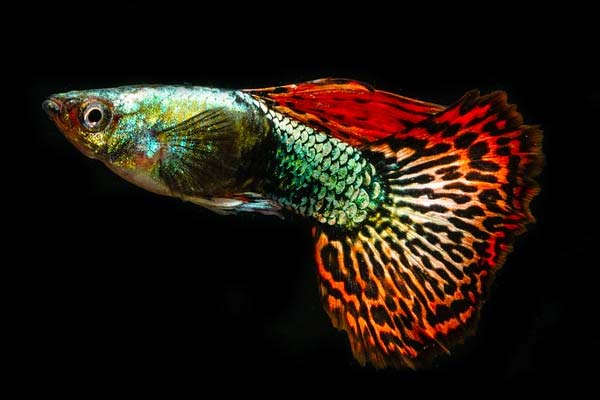
- Guppies: Guppies are small, active fish that can coexist with cory catfish. They come in various colors and can add some vibrancy to your tank.
- Plecos are another type of catfish that can coexist with cory catfish. Just remember, plecos can get pretty big, so they might need a bigger tank when they grow up.
- Mollies: Mollies are active swimmers that can coexist with cory catfish. They come in various colors and can add some variety to your tank.
- Shrimps: Shrimps can also be good tank mates for cory catfish. However, it is essential to note that some species of shrimp may be preyed upon by larger fish, so choosing the right type for your tank is critical.
When keeping cory catfish, it is recommended to keep them in groups of at least six. This will help them feel more secure and reduce stress in the tank. Additionally, a tank size of at least 20 gallons is recommended for a group of cory catfish.
Tips for Keeping Cory Catfish Happy and Healthy
Habitat and Tank Requirements
Cory catfish live at the bottom of the tank and need a clean, big space to be happy. For a small group, a 20-gallon tank is a good idea.
The tank should be covered and slow-moving with a sandy or fine-grained substrate that won’t damage their delicate barbels.
The water temperature should be maintained at 72-78°F, with a pH of 6.0-8.0. Regular water changes and proper tank cleaning are essential to maintain a healthy environment for the fish.
Feeding Cory Catfish
Cory catfish are omnivores and require a varied diet of sinking pellets or flakes, live or frozen foods. They are scavengers and eat almost anything falling to the tank’s bottom.
Bottom-feeder tablets are a great addition to their diet. It is essential to feed them properly to avoid overfeeding, which can lead to stress and disease.
Caring for Cory Catfish
Monitoring the behavior and signs of stress in Cory catfish is crucial to keep them happy and healthy. Stress can lead to diseases, parasites, and other health issues.
Regular water changes, cleaning, and maintaining proper water parameters are essential to keep them healthy. Providing hiding places and decorations in the tank will help reduce stress.
Schooling Behavior of Cory Catfish
Cory catfish are social creatures and do best in groups of three or more. They are happier and more active when kept in a group. Cory catfish will also exhibit their natural behavior of swimming and scavenging together.
Unique Appearance of Cory Catfish
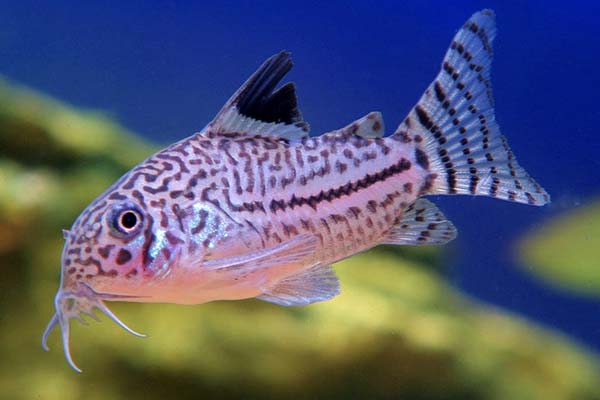
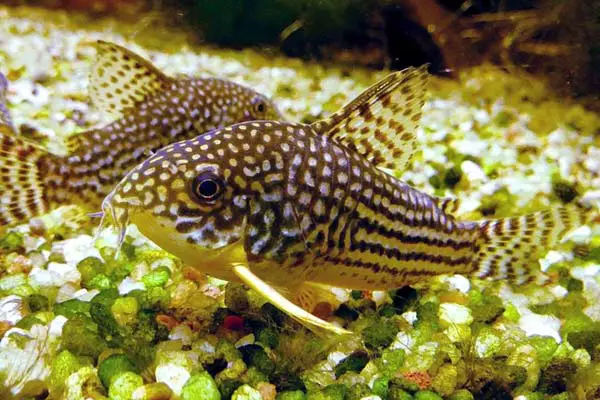
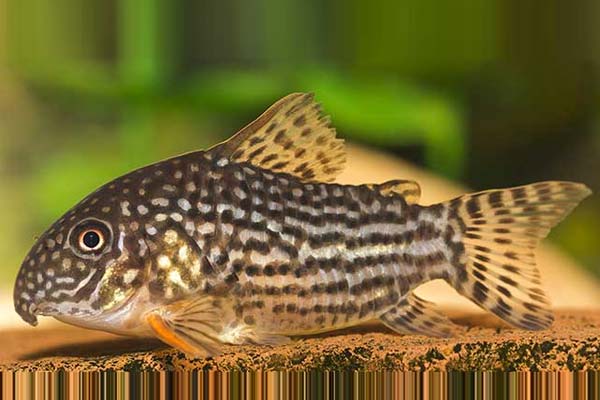
Cory catfish come in different colors, patterns, and species. They have unique appearances with their barbels, fins, and black or albino coloration. Some popular species include the panda, julii, emerald, and peppered cory.
Compatibility of Cory Catfish with Other Fish
Cory catfish are friendly and don’t like to fight, so they can live with other fish that won’t try to eat them. They are compatible with most shrimp and snails and will help scavenge and clean the tank. However, they should not be kept with aggressive fish or predators.
Other Factors to Consider for Cory Catfish
Breeding Cory catfish is not difficult, and they are easy to care for, making them an excellent choice for beginner hobbyists. They are also confident fish and will explore their surroundings. It is essential to maintain proper water parameters, provide a varied diet, and keep them in a group to keep them happy and healthy.
Conclusion
In summary, Cory catfish are social creatures that thrive in groups. While they can survive alone, it is not recommended for their overall well-being and longevity. Keeping them with tank mates of their species or other peaceful fish can provide them with the companionship they need.
It is important to note that Cory catfish are not aggressive and can be easily bullied by larger or more aggressive fish. Therefore, it is essential to choose tank mates carefully and ensure they are compatible with Cory catfish.
In conclusion, if you’re considering keeping Cory catfish, keeping them in groups of at least three to five individuals is best. This will give them the social interaction and stimulation they need to thrive.
Additionally, choosing tank mates carefully and providing plenty of hiding places and ample swimming space will create a healthy and happy environment for these delightful fish.