Are Cory Catfish Aggressive? Discover the Real Temperament of These Gentle Creatures
Cory catfish are popular with aquarium enthusiasts due to their peaceful nature and low-maintenance requirements. However, some owners may be concerned about their behavior and whether or not they are aggressive. Understanding the behavior of these fish is vital for their proper care and well-being.
Cory catfish are generally not aggressive, but certain factors may lead to aggression in some individuals. Identifying these factors and minimizing aggression is crucial to create a harmonious tank environment. Additionally, choosing compatible tank mates is critical for the health and happiness of the fish.
Key Takeaways
- Understanding the behavior of Cory catfish is essential for their proper care.
- Cory catfish are generally not aggressive, but certain factors may lead to aggression in some individuals.
- Minimizing aggression and choosing compatible tank mates are crucial for creating a harmonious environment.
Cory Catfish Behavior
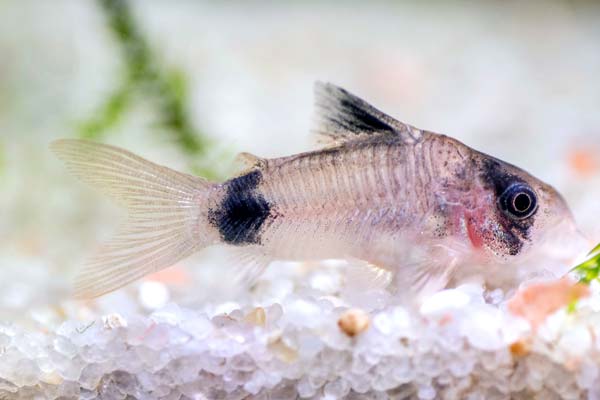
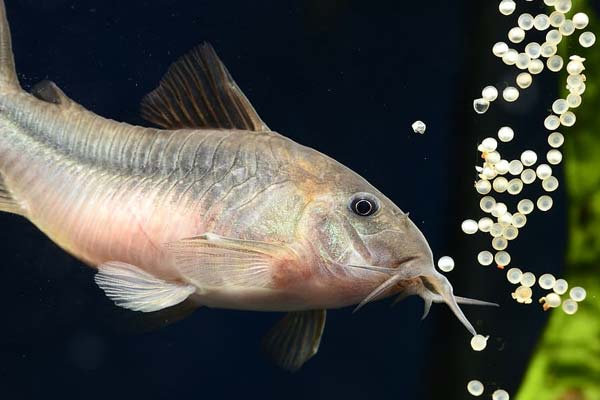
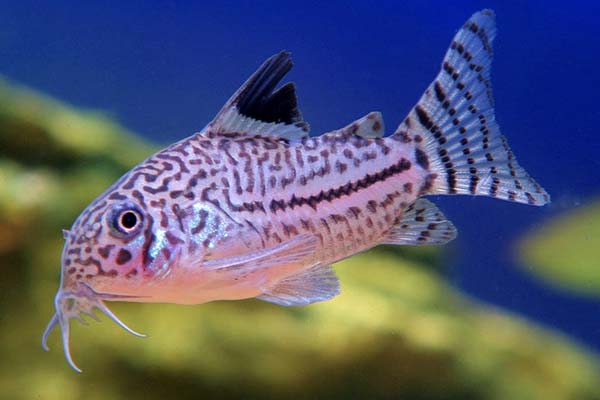
Cory catfish are peaceful fish known for their social nature and schooling behavior. They are bottom-dwellers and are often found scavenging for food on the aquarium substrate. Cory catfish are not aggressive and are suitable for almost any tropical aquarium inhabited by other community-appropriate fish.
Cory catfish are social creatures best kept in groups of at least six individuals. They are known to form tight-knit schools, and their behavior is fascinating. They often swim together, forage for food, and rest together. It is important to note that Cory catfish are not territorial and will not fight with other fish.
These fish are bottom-dwellers and are well adapted to scavenging for food on the aquarium substrate. They are very hungry and will eat almost anything they find at the bottom of the tank. It is recommended to feed them a diet that includes sinking pellets or wafers to ensure that they receive adequate nutrition.
Cory catfish are peaceful and have a calm temperament. They are not known to be aggressive towards other fish and are suitable for community aquariums.
However, it is essential to note that they can be easily stressed by aggressive tankmates or poor water quality.
Therefore, providing them with a suitable environment and compatible tankmates is crucial.
Are Cory Catfish Aggressive in Nature?
Cory catfish are peaceful and gentle fish that are popular among aquarium enthusiasts. However, there is a common misconception that they can be aggressive. This is not true. Cory catfish are not aggressive.
While it is possible for a cory catfish to display aggression, it is rare and usually due to specific factors. For example, if the cory catfish feels threatened or stressed, it may become aggressive. This can happen if the tank is overcrowded or the cory catfish needs more hiding places.
It is important to note that aggression uncommon costume. Most cory catfish are incredibly calm and peaceful. They are social fish that enjoy swimming in shoals or in groups.
If you are concerned about aggression in your Cory catfish, there are steps you can taEnsurevent it. Ensure your tank is sized correctly and has enough hiding places for your fish. Keep the water clean and well-maintained, and avoid overcrowding your tank.
Factors Leading to Aggression in Cory Catfish
Cory catfish are generally peaceful and friendly fish but can become aggressive under certain circumstances. Here are some factors that may lead to aggression in cory catfish:
- Insufficient space in the aquarium: Cory catfish are social creatures and require enough space to swim around and explore. They may become territorial and aggressive toward other fish if kept in a small tank with limited space.
- Competition for food and resources: Cory catfish are bottom feeders and rely on scavenging for food. If there is not enough food to go around or if other fish are hogging the food, cory catfish may become aggressive to protect their food source.
- Unsuitable tank conditions or water parameters: Cory catfish are sensitive to water conditions and require clean and well-maintained water. If the water is dirty, too acidic, or alkaline, or the temperature is not suitable, cory catfish may become stressed and aggressive.
- Stress from incompatible tank mates: Cory catfish are peaceful fish and can become stressed if they are kept with aggressive or incompatible tank mates. If they are constantly harassed or bullied by other fish, they may become aggressive in self-defense.
To prevent aggression in cory catfish, providing them with a suitable environment and compatible tank mates is crucial. This includes providing enough space, ensuring clean water and proper water parameters, and avoiding aggressive or incompatible tank mates.
Minimizing Aggression in Cory Catfish
Cory catfish are generally peaceful fish, but some may exhibit aggressive behavior. Here are some tips to minimize aggression in cory catfish:
Provide Adequate Space and Hiding Spots
Cory catfish are bottom dwellers and prefer to stay close to the substrate. They need enough space to swim and explore their surroundings. Overcrowding can cause stress and aggression in cory catfish. Provide at least 20 gallons of water per six cory catfish.
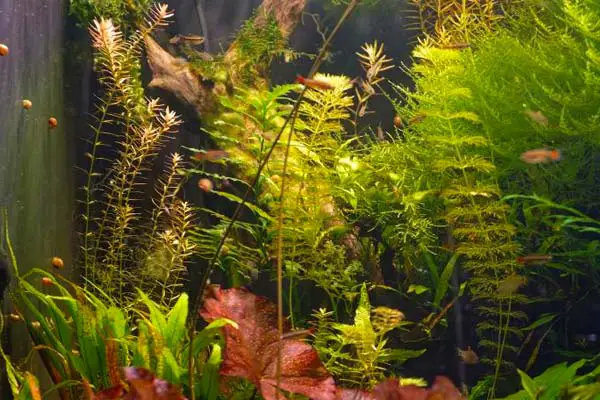
Cory catfish also need hiding spots to feel safe and secure. Use plants, rocks, and driftwood to create hiding spots in the aquarium. This will allow cory catfish to retreat when they feel threatened or stressed.
Maintain Proper Water Parameters
Cory catfish are sensitive to poor water quality. High ammonia, nitrite, and nitrate levels can cause stress and aggression in cory catfish. Maintain proper water parameters by performing regular water changes and testing the water regularly.
The ideal water temperature for cory catfish is between 72°F and 78°F. Keep the pH level between 6.0 and 8.0 and the water hardness between 2 and 15 dGH.
Ensure a Balanced Diet and Feeding Schedule
Cory catfish are omnivores and need a balanced diet to stay healthy. Provide a variety of foods, including high-quality flakes, pellets, and frozen or live foods. Feed them small amounts several times a day instead of one large feeding.
Overfeeding can cause aggression in cory catfish. Uneaten food can also lead to poor water quality and stress.
Choose Compatible Tank Mates
Cory catfish are peaceful and prefer to live with other peaceful fish. Avoid keeping them with aggressive or territorial fish that may bully or attack them. Good tank mates for cory catfish include tetras, rasboras, guppies, and other small, peaceful fish.
Compatibility and Ideal Tank Mates for Cory Catfish
When keeping Cory Catfish, choosing compatible tank mates is crucial. Cory Catfish are peaceful and non-aggressive fish, thriving in a community tank with other small, peaceful fish species. Choosing suitable tank mates will help ensure your Cory Catfish remain happy and healthy.
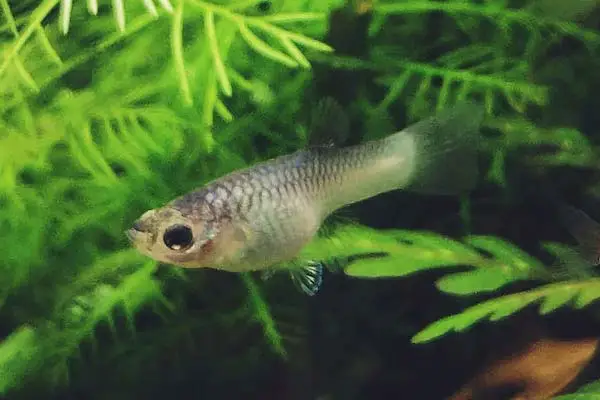
Some ideal tank mates for Cory Catfish include small, peaceful fish species such as Neon Tetras, Guppies, and Platies. These fish are all non-aggressive and can coexist peacefully with Cory Catfish. Mollies can also be good tank mates for Cory Catfish, as long as they are not of the aggressive variety.
However, there are some fish species to avoid when keeping Cory Catfish. Aggressive or fin-nipping species such as Bettas, Barbs, and some Cichlids should not be kept with Cory Catfish. These fish can cause stress and harm to Cory Catfish, leading to illness or even death.
In addition to choosing compatible tank mates, ensuring the tank is appropriately stocked and maintained is vital. Overcrowding can result in stress and aggression among fish, so providing enough space for each fish to swim and thrive is essential.
Conclusion
In conclusion, Cory catfish are not aggressive fish by nature. They are peaceful and prefer to live with other peaceful fish in a community tank. However, they may occasionally chase some of their tankmates out of curiosity, which may be mistaken for aggression.
It is crucial to understand the behavior of Cory catfish and provide them with proper care. Keeping at least six Cory catfish together will form an ideal school for them, and they will feel secure and less stressed.
Additionally, violent fish have the potential to attack, injure, or even kill Cory catfish, so it’s crucial to choose tankmates that are not aggressive.
Cory catfish are not hard to look after and are friendly with many other fish in the tank. They are bottom dwellers who spend most of their time at the bottom of the tank in search of food peacefully.
To ensure the well-being of Cory catfish, it is essential to provide them with a clean and suitable environment, a varied diet, and enough space to swim.