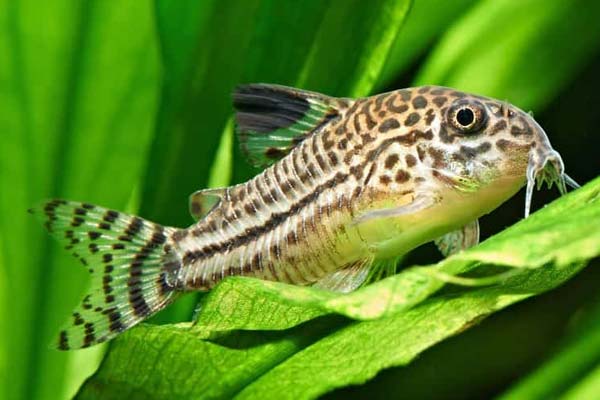
Are Cory Catfish Nocturnal? Get the Inside Scoop on Their Daily Routines
Cory Catfish are famous for aquarium enthusiasts due to their peaceful nature and attractive appearance. However, understanding their behavior is crucial to their care and well-being. One aspect of their behavior that is often debated is whether or not they are nocturnal.
Nocturnal behavior refers to an animal’s activity pattern, with most of its activity occurring during nighttime. Understanding whether Cory Catfish are nocturnal is vital for their care, as it can impact their feeding and lighting needs in an aquarium setting.
While there is some debate on the topic, most sources agree that Cory Catfish are nocturnal. However, they do not have a fixed sleep schedule and will remain active during the daytime.
This means their sleep is not continuous but occurs in short intervals throughout the day. Understanding the nuances of their behavior can help aquarium owners provide the best care for their Cory Catfish.
Key Takeaways
- Understanding the behavior of Cory Catfish is crucial for their care and well-being in an aquarium setting.
- Nocturnal behavior refers to an animal’s activity pattern, with most of its activity occurring during nighttime.
- While Cory Catfish are considered nocturnal, they do not have a fixed sleep schedule and will remain active during the daytime.
What is Nocturnal Behavior?
Nocturnal behavior refers to the activity of animals during the nighttime. Nocturnal animals like to be active at night and take it easy during the day. These animals have adapted to living in the dark and developed specialized senses to help them navigate low-light conditions.
Examples of nocturnal animals include owls, bats, raccoons, and some species of rodents. These animals have evolved to be active at night to avoid predators, conserve energy, and hunt for food when their prey is most active.
In the wild, being nocturnal can provide several benefits. For example, nocturnal animals can avoid the day’s heat and conserve water. They can also avoid active predators during the day and have developed specialized adaptations to help them hunt at night.
Nocturnal animals have a unique sleep cycle that is different from diurnal animals. They typically sleep during the day and are active at night. However, they may also take short naps throughout the day to conserve energy.
It is important to note that not all active animals at night are strictly nocturnal.
Some animals, like the cory catfish, are crepuscular, which means they’re really into being active around sunrise and sunset, but they might also enjoy some nighttime action.
While some animals require light at night to regulate their sleep cycle, others, like the cory catfish, do not require light at night and can sleep in complete darkness. Providing too much light at night can disrupt their natural sleep cycle and cause stress.
Cory Catfish Behavior
Movements
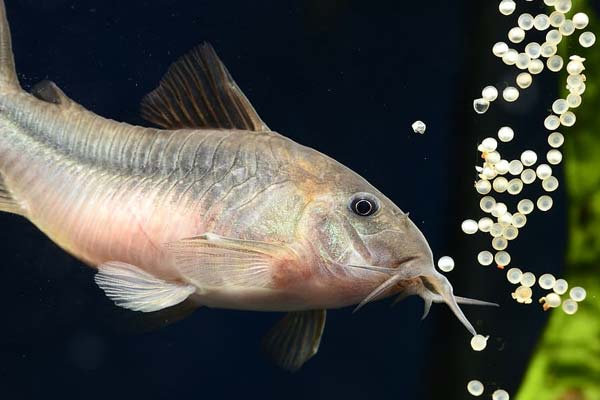
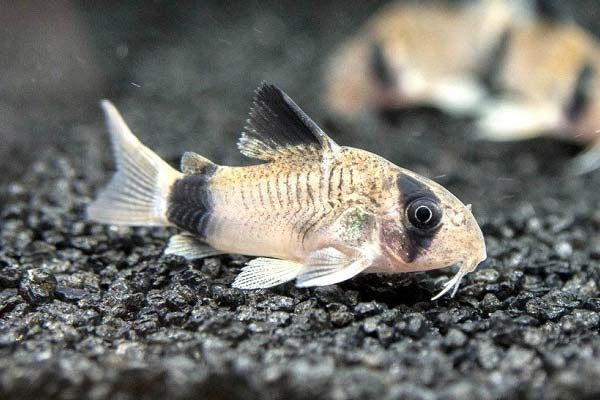
Cory catfish are bottom dwellers and move around by navigating the tank with their barbels or whiskers. They are social creatures and prefer to be in a shoal of at least six individuals.
These peaceful fish are not active swimmers and spend most of their time scavenging for food on the substrate. They are diurnal creatures, meaning they are active during the day and rest at night.
Feeding
Cory catfish are omnivores and will eat anything from sinking pellets to live prey and are not picky eaters and will readily eat high-quality food. Cory catfish prefer to feed at night, so hobbyists should consider feeding them after the lights have been turned off.
Sleeping Habits
Cory catfish do not have a fixed sleep schedule and will rest for short periods throughout the day. They become inactive at night and rest in dark corners or caves. It is best not to startle them during their moments of rest.
Factors affecting their behavior include tankmates, tank environment, water temperature, and nitrate levels. Cory catfish prefer soft water with a temperature range of 21-28 degrees Celsius (70-82 degrees Fahrenheit). They also gulp air at the water’s surface, so it is essential to have an aquarium heater to maintain a stable temperature.
Cory catfish are peaceful fish and enjoy the company of other bottom-dwelling species such as corydoras catfish, brochis, and aspidoras. They also make excellent tankmates for other tropical fish.
Cory catfish congregate in rivers and forage for food in their natural habitat in South America. They are armored catfish and have a tough exterior to protect themselves from predators.
Cory catfish are playful and curious fish that enjoy exploring their surroundings. They are also known for their cleaning abilities and will eat algae wafers and other debris in the tank.
Are Cory Catfish Nocturnal?
Cory catfish are a popular species of freshwater fish known for their small size and playful nature. One of the most common questions about these fish is whether they are nocturnal. The answer to this question is complex, as it depends on various factors.
Evidence Supporting Their Nocturnal Behavior
Cory catfish are primarily active during dawn and dusk, known as crepuscular behavior. However, they can also become active at night, often considered nocturnal.
This behavior is supported by observations from aquarists and researchers who noted that cory catfish tend to be more active at night.
Comparisons with Other Nocturnal Fish Species
When compared to other nocturnal fish species, cory catfish have unique behavior. They do not have a fixed sleep schedule and tend to sleep for short periods throughout the day whenever they feel tired. This behavior differs from other nocturnal fish species that tend to sleep during the day and become active at night.
Cory Catfish Sleep
Cory catfish do sleep but do not have a fixed sleep schedule. They tend to sleep for short periods throughout the day whenever they feel tired. This behavior is known as napping and is common among many fish species.
Lighting and Temperature
The lighting and temperature of the aquarium can also affect the behavior of cory catfish. They tend to be more active in low light conditions, so they are often seen swimming around at night. The temperature of the water can also affect their behavior, as they tend to be more active in warmer water.
How to Care for Cory Catfish in an Aquarium
Cory Catfish are a great addition to any aquarium due to their peaceful nature and scavenging behavior. It is crucial to consider their unique needs to provide them with a healthy and comfortable environment.
Tank Environment
Cory Catfish prefer a natural habitat with plenty of hiding spots and resting areas. Adding plants, caves, and floating objects to the tank can give them the necessary hiding spots.
A group of at least 3-4 Cory Catfish is recommended as they are social creatures and thrive in groups. The substrate should be soft, such as sand or fine gravel, as they like to sift through it for food.
Lighting considerations are essential as Cory Catfish are nocturnal fish. Providing a dimmer light during the day and a brighter light at night can help them adjust to their natural behavior.
Feeding
Cory Catfish are scavengers and prefer to feed at night. It is recommended to provide them once a day, at night, with a mixture of sinking pellets and live food such as brine shrimp or bloodworms. Algae wafers can also be added to their diet as they are excellent scavengers for algae in the tank.
Water Conditions
Cory Catfish require soft water with a pH between 6.5-7.5. An aquarium heater is recommended to maintain a temperature between 72-78°F. Proper filtration is crucial as they are sensitive to poor water conditions and can be susceptible to diseases such as ich.
Tank Mates
Cory Catfish are peaceful and can coexist with most tropical fish. However, avoiding aggressive or territorial fish is crucial as they can stress out the Cory Catfish.
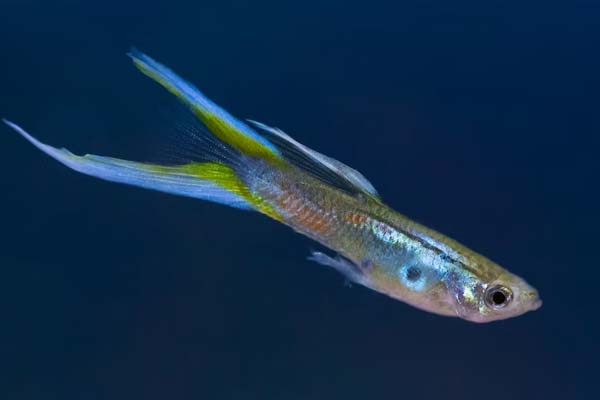
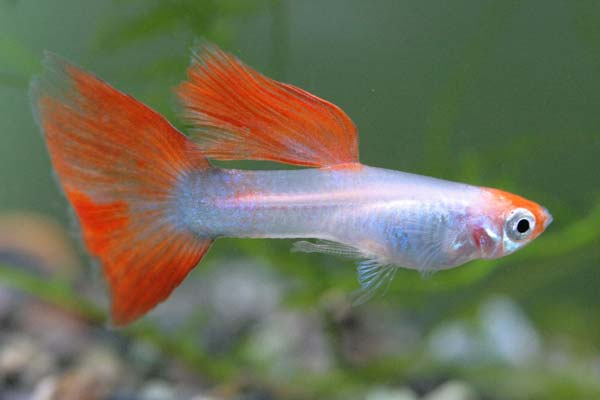
Good tank mates for Cory Catfish include other peaceful fish such as tetras, guppies, and platies. Julii Cory is a great companion for Cory Catfish as they have similar behaviors and requirements.
Conclusion
In conclusion, Cory Catfish can be considered nocturnal, but their natural pattern is crepuscular, meaning most of their activity occurs during dawn and dusk. They do not have a fixed schedule of sleeping and will sleep whenever they want in 5-10 minute intervals throughout the day.
Understanding their behavior is vital for proper care, as it can affect their feeding habits, rest, and overall health. Researching further is encouraged for successful fish keeping.
Cory Catfish are a peaceful species that prefer to live in groups and require hiding places such as caves and plants. They are social creatures that like to play and explore their tank environment.
Feeding time is crucial, and high-quality food should be provided, such as sinking pellets or live food. They are omnivores and can be fed a varied diet.
Proper tankmates and filtration are essential for a happy and healthy tank environment. Cory Catfish are scavengers and can help clean the tank, but nitrate levels should be monitored.