How Many Fish per Gallon of Water: A Clear and Knowledgeable Guide
When setting up an aquarium, one of the most important factors is how many fish can be safely housed in the tank.
Overstocking can lead to poor water quality, stress, and disease among the fish. On the other hand, understocking can make the tank look empty and unappealing. This is where the fish per gallon rule comes into play.
The fish per gallon rule of thumb is a general guideline that recommends one inch of fish per gallon of water. However, this rule is only applicable to tropical freshwater fish.
Coldwater and marine fish require more space, and different factors must also be considered, such as the fish’s behavior, size, and activity level. Therefore, it’s essential to understand the factors for fish stocking before determining the number of fish to keep in an aquarium.
Key Takeaways
- The fish per gallon rule of thumb recommends one inch of fish per gallon of water, but factors such as the fish’s behavior and activity level also need to be considered.
- Coldwater and marine fish require more space than tropical freshwater fish, so the fish per gallon rule does not apply to them.
- Careful consideration of various factors is necessary to determine the number of fish to keep in an aquarium.
Factors to Consider for Fish Stocking
When deciding the number of fish to stock in an aquarium, it’s essential to consider various factors. Here are some key things to keep in mind:
Size and Species of Fish
The size and species of fish you choose will significantly determine how many fish you can safely keep in your tank. Larger fish will require more space, while smaller fish may be able to live in larger groups. Some species are also more active than others, impacting their needed space.
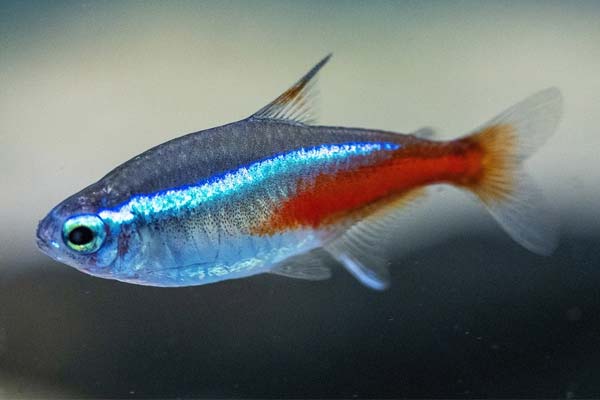
For example, goldfish are known for their large size and high waste production, requiring much space per fish. On the other hand, neon tetras are small and can be kept in larger groups so that you can have more of them in a given tank size.
Activity Level and Swimming Patterns
Recognizing your fish’s activity level and swimming needs is crucial for creating an appropriate environment. Active fish, like angelfish, require ample space to showcase their graceful swimming patterns.
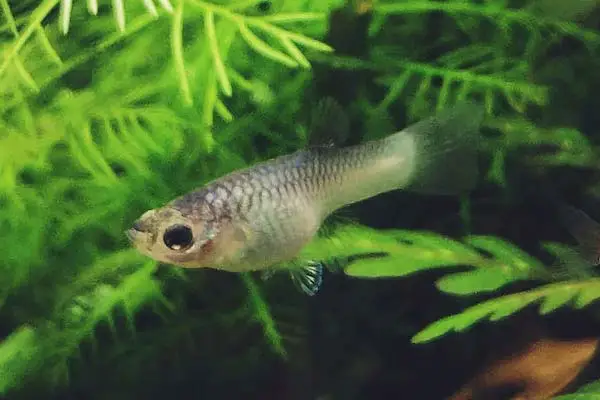
In contrast, smaller and more active fish, such as guppies, can be kept in larger groups. Tailoring the tank size and setup to meet the specific needs of your fish ensures their well-being and allows them to thrive in their aquatic habitat.
Biological Load and Waste Production
Properly managing the biological load and waste production of your fish is essential. Fish produce ammonia as waste, which can accumulate in the tank and harm the fish if not appropriately addressed.
Larger fish produce more waste than smaller fish, so remember this when deciding the number of fish to stock. Additionally, some fish are more sensitive to high ammonia and nitrite levels, so you must be extra careful when stocking these species.
General Guidelines for Fish Stocking
Research and Gather Information
Before stocking a fish tank, it is crucial to research and gather information on the types of fish that will be compatible with each other and the tank’s environment. Factors to consider include the fish’s size, behavior, and water requirements. Researching the fish’s diet and any special care requirements is also essential.
Calculate Tank Volume
A standard guideline in fishkeeping is to provide 1 gallon of water for every 1 inch of fish in the tank. However, this guide assumes that the fish are slender. If the fish has a thicker body shape, adjusting the ratio to 1 inch of fish with at least 2 gallons of water is recommended.
Calculating the tank volume accurately ensures the fish have enough space to swim and thrive. The tank’s dimensions can be used to calculate the volume or an online calculator can be used for accuracy.
Consider Adult Size of Fish
Consider the adult size of the fish when stocking a tank. Some fish can grow large and will outgrow a small tank.
Choosing fish that will be comfortable in the tank throughout their lifespan is essential. Considering the number of fish that can comfortably coexist in the tank without overcrowding is also essential.
Fish per Gallon Rule of Thumb
The “Fish per Gallon Rule of Thumb” is a popular guideline for stocking a fish tank. It suggests that one inch of fish per gallon of water is a safe stocking level for most aquariums.
However, this rule should be considered a guideline, not a hard and fast one. Many factors must be considered when determining the appropriate stocking level for your fish tank.
Traditional Rule: 1 Inch of Fish per Gallon
The traditional rule for stocking a fish tank is to allow one inch of fish per gallon of water. This rule is based on the idea that each inch of fish requires a certain amount of water to live comfortably. However, this rule should be taken with a grain of salt. Some fish require more space than others, and some produce more waste.
Modified Rule: Adjusting for Fish Size and Activity
A modified fish tank stocking rule considers the fish’s size and activity level. Larger fish require more space than smaller fish, and more active fish require more space than less active fish.
As a general rule, fish that grow larger than six inches should be stocked at a rate of one inch of fish per two gallons of water. Similarly, fish that are more active or produce more waste should be stocked at a lower rate.
When determining the appropriate stocking level for your fish tank, it is vital to consider your fish’s size and activity level. A larger fish may require more space than a smaller fish, and a more active fish may require more space than a less active fish.
Additionally, it is crucial to consider the body mass of your fish, as some fish are denser than others and require more space to swim.
Additional Considerations for Fish Stocking
Compatibility of Fish Species
When stocking a tank with fish, it is vital to consider their compatibility. Some species are aggressive and territorial, while others are peaceful and prefer school.
Certain fish may also have specific environmental requirements, such as water temperature, pH level, and salinity. It is essential to research each species thoroughly and choose fish that will coexist peacefully in the same tank.
Filtration and Water Quality Management
Maintaining good water quality is crucial for the health and well-being of fish. Filtration systems are necessary to remove waste and debris from the water and to maintain a healthy balance of ammonia, nitrite, and nitrate levels.
Oxygen needs should also be considered, and air stones or other oxygenating devices may be necessary to ensure adequate oxygen levels. Regular water changes and maintenance are also essential to keep the water clean and healthy for the fish.
Overstocking the tank can harm fish by causing poor water quality, stress, and disease. Considering the size and number of fish concerning the tank’s water volume is important. A general guideline is one inch of fish per gallon of water, which may vary based on species and individual requirements.
Conclusion
Determining the proper fish-to-water ratio is vital for aquarium stocking. Consider factors like tank size, fish type, and filtration. Overstocking can harm fish and degrade water quality. For freshwater tanks, aim for one inch of adult fish per gallon. Saltwater tanks should have one inch of fish per two to three gallons. Proper stocking ensures a healthy and balanced aquatic environment.