Cory Catfish Tank Mates: Find the Perfect Fish Friends for a Balanced Aquarium
Cory catfish are popular freshwater fish that are easy to care for and come in various types. They are peaceful and non-aggressive, making them excellent community tank fish.
When selecting tank mates for Cory catfish, it is crucial to choose suitable ones to ensure the health and well-being of all fish in the tank.
This guide presents a comprehensive list of compatible tank mates for Cory catfish. Factors to consider when choosing tank mates include the tank’s size, the fish’s temperament and behavior, and the water conditions.
Avoiding aggressive or territorial fish that may harm or stress out the Cory catfish is also essential.
Cory catfish can thrive in a community tank environment by selecting suitable mates. This article will provide tips for introducing new tank mates and highlight some of the best ones for Cory catfish and those to avoid.
Factors to Consider When Choosing Tank Mates
When selecting tank mates for Cory Catfish, it is important to consider several factors to ensure they coexist harmoniously. Here are some factors to consider when choosing tank mates for Cory Catfish.
Compatibility in terms of water parameters
It is crucial to consider the aquarium’s water parameters when choosing tank mates for Cory Catfish. Cory Catfish flourish in mildly acidic to neutral water conditions, ideally within a pH range of 6.0 to 7.6. They also prefer soft to moderately hard water with a temperature range of 72 to 78°F. It is best to choose tank mates that can adapt to these conditions.
Similar temperament and behavior
Cory Catfish are peaceful and social fish that enjoy the company of their kind. They are not aggressive and do not threaten other fish in the aquarium. Choosing tank mates with similar temperaments and behaviors is crucial to avoid conflicts.
Size compatibility
Cory Catfish are small fish that grow to a maximum of 2.5 inches. It is vital to choose tank mates that are similar in size to avoid predation and competition for food. Larger fish may see Cory Catfish as prey and attack them.
Diet compatibility
Cory Catfish are omnivorous and require a varied diet, including plant and animal matter. Choosing tank mates with similar dietary requirements is crucial to avoid malnutrition and health problems.
Best Tank Mates for Cory Catfish
In picking tank companions for Cory Catfish, you’ll find an array of choices to consider. Here are some of the best tank mates for Cory Catfish:
Small Tetras
Small Tetras like Neon Tetras and Cardinal Tetra are great tank mates for Cory Catfish. They are peaceful, non-aggressive fish that can coexist with Cory Catfish without issues. They also add a splash of color to your aquarium, making it more visually appealing.
Keeping them in a tank with similar water parameters is essential to ensure compatibility. Small Tetras require soft, slightly acidic water with a pH between 6.0 and 7.0. They also prefer a well-planted tank with plenty of hiding spots.
Rasboras
Rasboras like Harlequin Rasbora and Chili Rasbora are excellent tank mates for Cory Catfish. They are peaceful, non-aggressive fish that can coexist with Cory Catfish without issues. They also add a splash of color to your aquarium, making it more visually appealing.
Keeping them in a tank with similar water parameters is essential to ensure compatibility. Rasboras require soft, slightly acidic water with a pH between 6.0 and 7.0. They also prefer a well-planted tank with plenty of hiding spots.
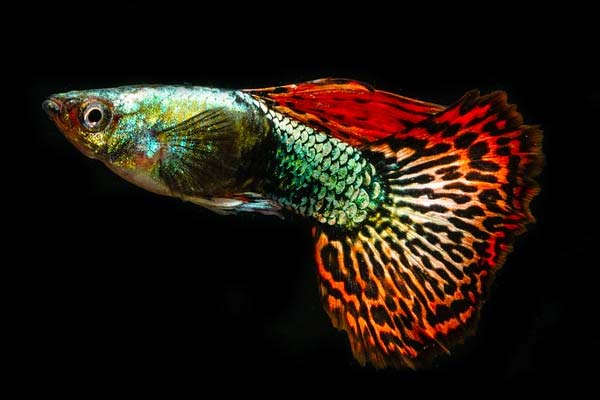
Guppies
Guppies are another great tank mate for Cory Catfish. They are peaceful, non-aggressive fish that can coexist with Cory Catfish without issues. They also add a splash of color to your aquarium, making it more visually appealing.
Keeping them in a tank with similar water parameters is essential to ensure compatibility. Guppies require slightly alkaline water with a pH between 7.0 and 7.5. They also prefer a well-planted tank with plenty of hiding spots.
Dwarf Cichlids
Dwarf Cichlids like Apistogramma and Kribensis are excellent tank mates for Cory Catfish. They are peaceful, non-aggressive fish that can coexist with Cory Catfish without issues. They also add a splash of color to your aquarium, making it more visually appealing.
Keeping them in a tank with similar water parameters is essential to ensure compatibility. Dwarf Cichlids require soft, slightly acidic water with a pH between 6.0 and 7.0. They also prefer a well-planted tank with plenty of hiding spots.
Otocinclus Catfish
Otocinclus Catfish are great tank mates for Cory Catfish. They are peaceful, non-aggressive fish that can coexist with Cory Catfish without issues. Additionally, they contribute to maintaining a tidy tank by consuming algae.
Keeping them in a tank with similar water parameters is essential to ensure compatibility. Otocinclus Catfish require slightly acidic water with a pH between 6.5 and 7.5. They also prefer a well-planted tank with plenty of hiding spots.
Snails and Shrimp
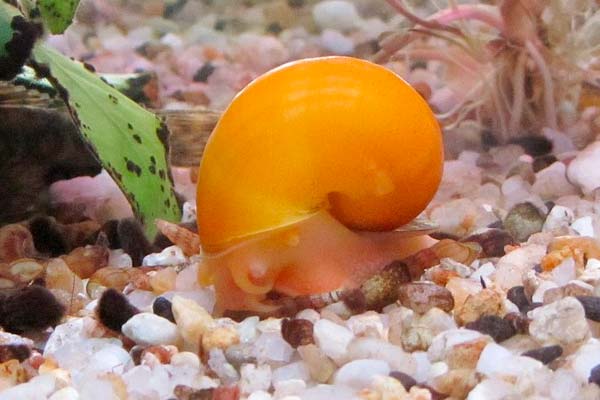
Snails and Shrimp like Nerite Snails and Amano Shrimp are excellent tank mates for Cory Catfish. They are peaceful, non-aggressive creatures that can coexist with Cory Catfish without issues. Moreover, they play a role in preserving the cleanliness of your tank by feeding on algae.
Keeping them in a tank with similar water parameters is essential to ensure compatibility. Snails and Shrimp require slightly alkaline water with a pH between 7.0 and 8.0. They also prefer a well-planted tank with plenty of hiding spots.
Tank Mates to Avoid
While Cory Catfish are generally peaceful, not all fish species are compatible with them. Here are some fish species that should be avoided as tank mates for Cory Catfish:
Angelfish: These fish can be aggressive and may nip at the Cory Catfish’s fins. Additionally, Angelfish require different water parameters than Cory Catfish, which can lead to stress and health problems for both species.
Cichlids: They are known for their aggressive behavior and can easily bully and harm Cory Catfish. They also require different water parameters, making them unsuitable tank mates.
Bettas: Bettas are known for their territorial behavior and may attack the Cory Catfish. Additionally, Bettas require warmer water temperatures than Cory Catfish, which can lead to stress and health problems for both species.
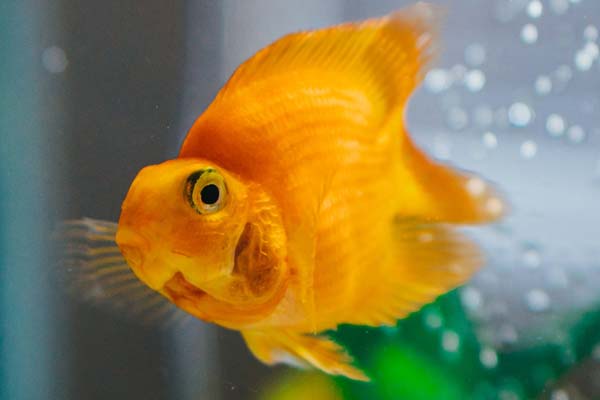
Goldfish: Goldfish are incompatible with Cory Catfish due to their different water temperature and pH requirements. Goldfish also produce considerable waste, which can dirty the water and cause health problems for both species.
Guppies: While peaceful, they may outcompete Cory Catfish for food. Guppies also require warmer water temperatures than Cory Catfish, which can lead to stress and health problems for both species.
It’s essential to research and carefully consider the compatibility of any potential tank mates before adding them to a tank with Cory Catfish. Avoiding incompatible tank mates can help ensure the health and well-being of all the fish in the tank.
Tips for Introducing New Tank Mates
When introducing new tank mates to a Cory Catfish tank, it is crucial to take a few precautions to ensure a smooth transition. Here are some tips to consider:
Gradual Introduction
It is essential to introduce new fish gradually. This means acclimating them to the tank’s water temperature and pH levels. Floating the bag containing the new fish in the tank for at least 30 minutes is recommended to allow the temperature to equalize. This will help prevent shock and reduce stress on the new fish.
Monitoring for Signs of Aggression
It is crucial to monitor the new tank mates for signs of aggression. Cory Catfish are peaceful fish, but some may be territorial or aggressive toward others. If any signs of aggression are observed, it may be necessary to remove the aggressive fish to prevent harm to other tank mates.
Ensuring Adequate Hiding Spots and Territory
Cory Catfish are bottom-dwellers and like to have hiding spots. Adding plants, rocks, and other décor to the tank will provide hiding spots and territory for the new fish. This will help reduce stress and aggression between the new and existing tank mates.
Introducing new tank mates to a Cory Catfish tank requires careful consideration and preparation. Gradually introducing new fish, monitoring signs of aggression, and ensuring adequate hiding spots and territory will help ensure a smooth transition and a peaceful community tank.
Cory Catfish: General Information
Cory catfish, or Corydoras, are a widespread freshwater species native to South America. They are peaceful and social creatures that are easy to care for, making them a great addition to any community tank.
Origin and Habitat
Cory catfish are found in various regions all across South America, from the Andes Mountains to the Atlantic coast. They typically inhabit slow-moving, clear shallow streams with sediment and a sandy riverbed. In the wild, they are often found in large groups, which makes them a social species.
Physical Appearance
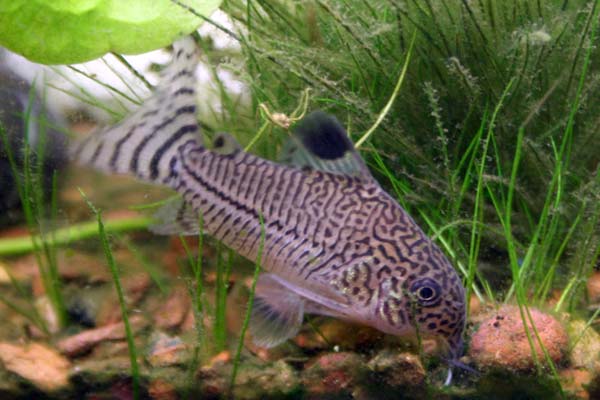
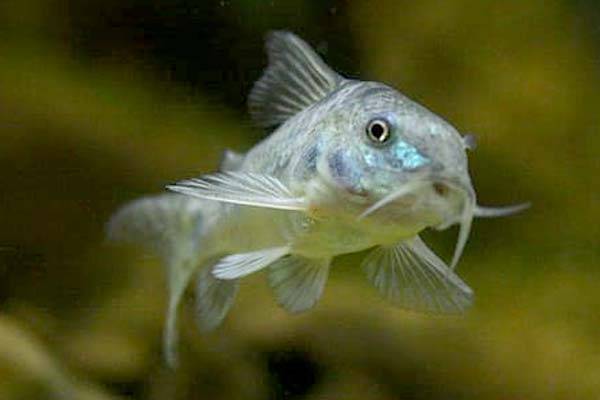
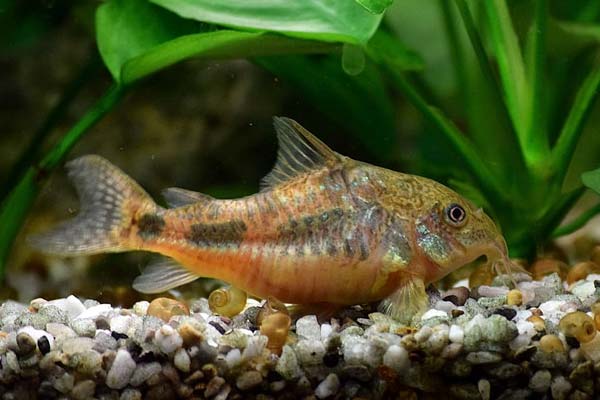
Cory catfish have a distinctive appearance: a flat, broad head, round body, and long dorsal fin. They have a variety of colors and patterns, including bronze, albino, and peppered. Cory catfish size can vary from 1 to 3 inches, depending on the species.
Behavior and Temperament
Cory catfish are peaceful and non-aggressive fish that are great tank mates for other community fish species. They are active during the day and spend most of their time scavenging for food on the bottom of the tank. They are also known for their playful behavior and can often be seen chasing each other around the tank.
Tank Requirements
Cory catfish are hardy fish that can adapt to various water conditions. However, they prefer a pH range of 6.5 to 7.5 and a 72 to 78 degrees Fahrenheit temperature range. They also require a well-filtered tank with plenty of hiding spots, such as plants, rocks, and caves.
It’s important to note that Cory catfish are bottom dwellers, so it’s essential to provide a gentle substrate, such as sand or fine gravel, to prevent injury to their delicate barbels.
Conclusion
Selecting suitable tank mates is crucial for the health and well-being of Cory Catfish. The wrong tank mates can cause stress, aggression, and even harm to the catfish.
Choosing peaceful and non-aggressive fish with similar water parameters and dietary needs is essential. Some of the best tank mates for Cory Catfish include Neon Tetras, Hatchetfish, and various species of Rasboras.
Creating a safe and harmonious environment for all tank inhabitants is essential. Providing adequate hiding places, plants, and decorations can help reduce stress and aggression among tank mates.
In summary, selecting compatible tank mates for Cory Catfish is vital for their health and happiness. Aquarium hobbyists can create a thriving and peaceful community tank by researching and carefully choosing suitable companions.