Male vs Female Guppy: Key Differences and Characteristics
Male and female guppies are one of the most popular aquarium fish species. They are known for their vibrant colors, active behavior, and easy maintenance.
However, it can be challenging for those new to guppy fish to differentiate between male and female guppies.
The physical appearance of male and female guppies is the primary way to differentiate between the two. Male guppies are usually smaller in size and have a slender body shape.
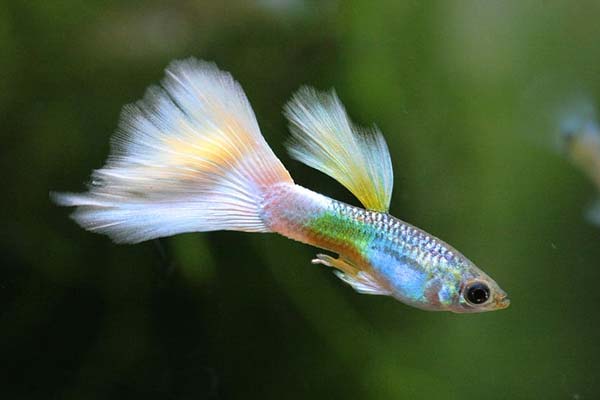
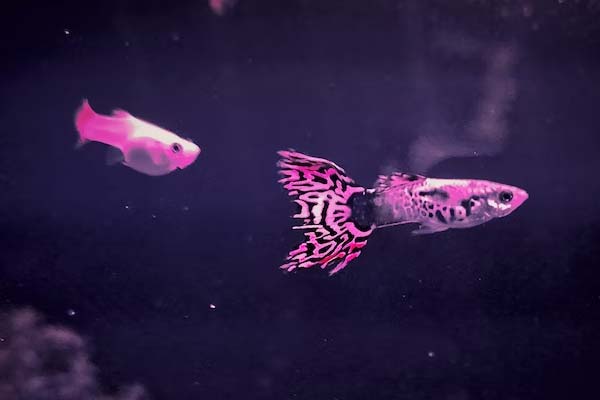
They have a more prominent and colorful tail fin, and their dorsal fin is more extended than the female. On the other hand, female guppies are rounder and larger, with a shorter and less colorful tail fin.
Coloration, patterns, and fins are other essential factors that differentiate male and female guppies. Male guppies tend to have a more vibrant and diverse range of colors and patterns on their body and fins.
This is because male guppies use their colors to attract females during mating. On the other hand, female guppies have less flashy colors and patterns. This helps them blend in with their surroundings and stay safe from predators.
Key Takeaways
- Understanding the physical differences between male and female guppies is crucial for maintaining a healthy population of these fish.
- Male guppies are smaller and have a more prominent and colorful tail fin, while female guppies are rounder and larger, with a shorter and less colorful tail fin.
- Male guppies tend to have a more vibrant and diverse range of colors and patterns on their body and fins, while female guppies have a more subtle coloration and pattern.
Characteristics of Male and Female Guppies
Male Guppies
Male guppies are typically smaller, with a slim and streamlined body shape. They have a more brightly colored body than the female guppy, with cheerful colors and various patterns on their fins.
Male guppies have a gonopodium, a modified anal fin used to fertilize the female’s eggs during mating.
Female Guppies
Female guppies are larger and have a rounder body shape than male guppies. They have a curvier and fuller body shape, fins, and body coloration and shape that are more subdued and muted than the males.
Female guppies have a gravid spot, a dark spot near their anal fin that becomes more prominent when pregnant.
When sexing guppies, you can use a magnifying glass to get a better look at their bodies. Male guppies have a pointed anal fin, while females have a more rounded anal fin. Additionally, males have a longer and more pointed dorsal fin than females.
Coloration, Patterns, and Fins
Variations in Color and Patterns
Male and female guppies have different coloration and patterns. Male guppies tend to have brighter coloring and a wider range of colors than females.
They often have a rainbow fish-like appearance, with various color patterns such as blotches, stripes, and spots. The colors of male guppies are often more vibrant and striking than those of females.
Female guppies, on the other hand, have a more subdued and muted coloration. They are often gray or brown, with simpler patterns and fewer bright colors. However, female guppies can also have spots and stripes, albeit less prominently than males.
The coloration of guppies is determined by color genes inherited from their parents. There are four significant types of color cells in guppies: xanthophores (yellow-red), erythrophores (red), iridophores (reflective), and melanophores (black). These color cells are derived from neural crest cells during embryonic development and migrate to different locations in the body.
Different Fin Types
Male and female guppies also have different fin types. Male guppies have elongated dorsal and anal fins, which they use to attract females during mating. Their tails are also usually longer and more elaborate than those of females. Female guppies, on the other hand, have shorter and rounder fins. Their tails are generally shorter and less elaborate than those of males.
Size, Body Shape, and Growth
Size and Body Structure Differences
Male and female guppies differ significantly in size and body shape. Male guppies are generally smaller and slimmer than females, with a length of 0.6 to 1.4 inches.
In contrast, female guppies are larger, with a length of 1.2 to 2.4 inches. Male and female guppies have distinct body shapes. Male guppies have a slim and streamlined body shape, while females have a curvier and fuller body.
The body size and shape differences between male and female guppies are particularly evident during the breeding season. Female guppies become noticeably rounder and more significant as they mature and prepare to give birth to their offspring. In contrast, male guppies maintain their slim body shape throughout their life.
Growth Rate and Lifespan Variations
The growth rate of guppies varies depending on the species, sex, and environment. Baby guppies overgrow, reaching maturity in about two months. After reaching maturity, the growth rate slows down, and guppies become sexually active and start reproducing.
The lifespan of guppies also varies depending on the species, sex, and environment. Generally, guppies can live up to two years in the wild, while those in captivity can live up to five years.
Female guppies generally have shorter lifespans compared to males, primarily because the stress of pregnancy and giving birth takes a toll on their overall health.
Reproduction and Behavior
Role of Males and Females in Breeding
Guppies are livebearers, meaning that the females give birth to live young instead of laying eggs. The male’s copulatory organ, called a gonopodium, transfers sperm to the female during mating.
Once fertilized, the female guppy carries her offspring for 28-31 days before giving birth to livebearer fry.
Male guppies are more colorful and have elongated fins compared to females. They also tend to be more active and aggressive, often chasing and nipping at other fish in the tank.
Female guppies, on the other hand, have shorter fins and rounder bodies. They are generally more docile and spend most of their time hiding or resting.
During breeding, males actively pursue females, attempting to mate with as many as possible. Females can store sperm for several months, allowing them to fertilize multiple batches of eggs without the need for additional mating.
Behavioral Traits and Temperaments
Male guppies are known to be more aggressive and territorial than females. They will often chase and nip at other fish in the tank, particularly other males. Females, on the other hand, tend to be more docile and prefer to hide or rest.
Guppies are known to be social fish and prefer to live in groups. Maintaining a balance of males and females in the tank is crucial to prevent aggression and ensure successful breeding. A male-to-female ratio of 1:2 or 1:3 is recommended.
Guppies are also sensitive to their environment and require a well-maintained tank with clean water and appropriate temperature and pH levels. If the water quality is poor, it can cause stress and illness, which can hurt breeding and the health of the offspring.
In terms of genetics, guppies have 23 pairs of chromosomes, with the sex of the offspring determined by the presence or absence of the Y chromosome. Male guppies possess one X and Y chromosome, whereas females have two X chromosomes.
Care and Maintenance
Tips for Caring for Male Guppies
Here are some tips for caring for male guppies:
Provide a spacious aquarium: Male guppies are active swimmers and need plenty of space to move around. A 10-gallon tank is recommended for a small group of male guppies.
Feed a balanced diet: Male guppies need a varied diet that includes plant- and protein-based foods. Pellets, flakes, and frozen or live foods are all excellent options.
Maintain water quality: Male guppies are particularly sensitive to fluctuations in water quality, making it crucial to maintain a clean and well-maintained aquarium environment. Regular water changes and testing can help ensure a healthy environment for your fish.
Avoid aggressive tank mates: Male guppies can be territorial and aggressive towards other fish with similar colors or body shapes. It’s best to keep them with peaceful tank mates.
Tips for Caring for Female Guppies
Female guppies are known for their ability to reproduce quickly, so keeping their care needs in mind is essential. Here are some tips for caring for female guppies:
Provide hiding places: Female guppies can become stressed if they don’t have enough hiding places in the aquarium. Plants, rocks, and other decorations can provide shelter and help reduce stress.
Feed a balanced diet: Like male guppies, female guppies need a varied diet that includes plant- and protein-based foods. Pellets, flakes, and frozen or live foods are all excellent options.
Maintain water quality: Female guppies are also sensitive to changes in water quality, highlighting the importance of maintaining a clean and well-maintained aquarium environment. Regular water changes and testing can help ensure a healthy environment for your fish.
Separate pregnant females: If you have male guppies in the same tank as female guppies, it’s vital to separate pregnant females to prevent them from being harassed or eaten by the males. A separate breeding tank can be set up for this purpose.
Conclusion
Male and female guppies have several key differences that can help distinguish them from one another. Male guppies typically have a longer and more colorful tails than females, while females are generally larger and rounder. Additionally, male guppies have larger eyes and a more defined head shape.
Regarding breeding considerations, female guppies can carry up to 30 guppy fry when pregnant, while male guppies do not give birth. It is important to note that female guppies do not turn into males, and male guppies cannot have babies. However, female guppies can store sperm for several months and give birth to multiple fry batches without mating again.
Considerations
It is essential to consider sexual dimorphism when choosing male or female guppies for a tank. Male guppies are generally more colorful and visually striking, but they may also be more aggressive toward other male guppies. Female guppies are typically more docile and can help balance out a tank with multiple males.
It is also essential to consider the water conditions in which guppies are kept, as this can affect the gender of their fry. Warmer water temperatures can produce more male fry, while cooler temperatures produce more female fry. Water conditions such as pH levels and water hardness can also play a role in determining the sex of guppy fry.