Where Do Cory Catfish Come From? Unravel Their Roots!
Cory catfish are a popular species of freshwater fish known for their peaceful nature and unique appearance. Understanding where these fish come from is essential for proper care, as it can provide insight into their natural habitat and environmental adaptations.
Cory catfish are native to South America, with many species throughout the continent. These fish are typically found in slow-moving rivers and streams with sandy or muddy bottoms.
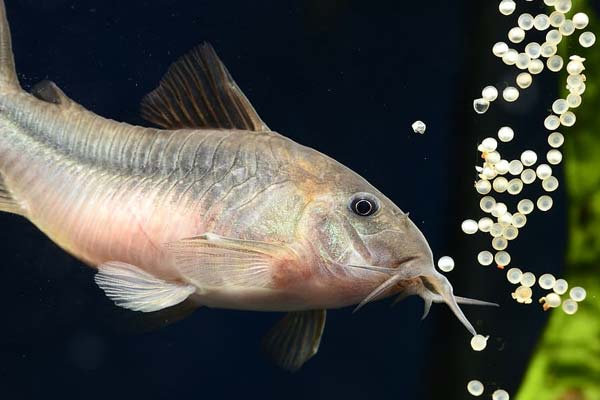
They are often found in large groups, known as schools, and can be identified by their barbless jaws and two dorsal fins near their tail fin.
It is essential to understand the natural habitat of Cory catfish to properly care for them in captivity. This includes providing a suitable substrate, such as soft sand, and creating hiding places within the tank.
By replicating their natural environment, Cory catfish are likelier to thrive and exhibit natural behaviors.
Key Takeaways
- Cory catfish are native to South America and are typically found in slow-moving rivers and streams with sandy or muddy bottoms.
- Proper care for Cory catfish involves replicating their natural habitat within the tank, including providing a suitable substrate and hiding places.
- Understanding the origins and natural habitat of Cory catfish is essential for their proper care and overall health in captivity.
Cory Catfish Species and Origins
Species of Cory
There exist more than 160 species of Cory catfish, all of which originate from rivers in South America. Cory catfish come in various sizes and colors, but many species share a similar bottom-dwelling body shape. Some of the most popular species include:
- Corydoras paleatus
- Corydoras aeneus
- Corydoras sterbai
Genus Corydoras
Cory catfish belong to the genus Corydoras, which is part of the family Callichthyidae. These fish are known for their armored plates and barbels, which help them navigate their environment and find food.
Types
Cory catfish are bottom-dwelling fish that prefer slow-moving rivers, swamps, and other bodies of water with a soft, siftable substrate. They’re calm and simple to look after, making them a favorite pick for freshwater aquariums.
Scientific Name
The scientific name for Cory catfish is Corydoras. This genus includes over 150 species of freshwater fish that are native to South America.
Distribution
Cory catfish are found throughout South America’s Amazon River basin, including Brazil, Uruguay, and the lower Parana River basin. They have adapted over the years to inhabit most of the river’s territory throughout the Amazon River basin.
Cory Catfish Natural Habitat
Cory Catfish can be found in the Amazon, Orinoco, and La Plata river basins and smaller tributaries and streams throughout the continent.
South America
South America has diverse aquatic habitats, from fast-moving rivers to slow-moving swamps and marshes. Cory Catfish are found in many of these environments, adapting to the specific conditions of each habitat.
Amazon
The Amazon River Basin is one of the most biodiverse regions on the planet, and Cory Catfish are an essential part of this ecosystem. They can be found in the main river channels and smaller tributaries that flow into the Amazon.
Streams and Rivers
Cory Catfish are commonly found in slow-moving streams and rivers, feeding on small invertebrates and other aquatic organisms. They prefer areas with a soft, siftable substrate, such as sand or mud, and plenty of vegetation for cover.
Ponds and Marshes
Cory Catfish are also found in ponds and marshes, where they can thrive in shallow, still waters. They are often found in areas with dense vegetation, providing cover and a food source.
Environmental Adaptations
Understanding these adaptations is crucial for providing optimal care for aquarium fish.
Temperature
Cory catfish prefer temperatures between 72-78°F (22-26°C). They have adapted to live in water that can vary in temperature, but sudden changes can cause stress and illness. Maintaining a stable temperature in the aquarium ensures the fish’s health.
pH
Cory catfish can adapt to various pH levels, but they like it a bit acidic, with a pH between 6.0 and 7.5. It is crucial to monitor the pH level regularly and make adjustments as necessary to prevent stress and illness.
Water Parameters
Cory catfish are sensitive to water quality and require clean and well-oxygenated water. They have adapted to low-oxygen environments by developing aerial respiration, which allows them to take gulps of air from the water’s surface. It is important to replicate these water parameters in the aquarium to ensure the health of the fish.
Substrate
Cory catfish are bottom-dwellers and have adapted to living in environments with soft substrates, such as sand or fine gravel. Providing a suitable substrate in the aquarium is vital for the fish to exhibit natural behaviors and prevent injury.
Plants
Cory catfish are social animals and shoals in groups in the wild. They have adapted to living in dense vegetation, providing cover and hiding spots. Adding live plants to the aquarium can help replicate their natural habitat and give a sense of security to the fish.
Conservation and Threats
Threats
A variety of factors threaten the natural habitat of Cory catfish. Deforestation, pollution, and climate change are some of the leading threats to their survival. Deforestation destroys the natural habitat of these fish, causing a loss of food sources, shelter, and breeding grounds.
Pollution from agricultural and industrial activities contaminates the water, making it unsuitable for the fish to live in. Climate change is also a significant threat, as it alters water temperature and acidity levels, which can harm the fish.
Conservation
Conservation efforts are necessary to protect the Cory catfish from extinction. Many species of Cory catfish are listed as vulnerable or endangered due to habitat loss and overfishing.
The conservation status of different Cory catfish species varies, and it is essential to ensure that their populations are healthy and sustainable.
Conservation efforts can include habitat restoration and protection, reducing pollution and greenhouse gas emissions, and regulating fishing practices. Aquaculture and captive breeding programs can also help maintain healthy fish populations.
Overall, it is crucial to prioritize the conservation of Cory catfish and their natural habitat to ensure their survival for future generations.
Conclusion
In conclusion, Cory catfish are freshwater fish from South America and areas east of the Andes Mountains.
They are a diverse family of catfish with over 500 species. The name “Cory” comes from the Greek words for helmet and skin, referring to the bony plates that protect their bodies.
Understanding the origins of Cory catfish is vital for their proper care and conservation. These fish are adapted to specific environmental conditions, such as water temperature, pH, and oxygen levels.
Therefore, aquarium owners must replicate these conditions in their tanks. This includes providing appropriate substrate, plants, and decorations that mimic the natural habitat of the fish.
In addition, conservation efforts are necessary to protect the natural habitats of Cory catfish. Many species are threatened by habitat loss, pollution, and overfishing.