Do Cory Catfish Need a Heater? A Clear Answer
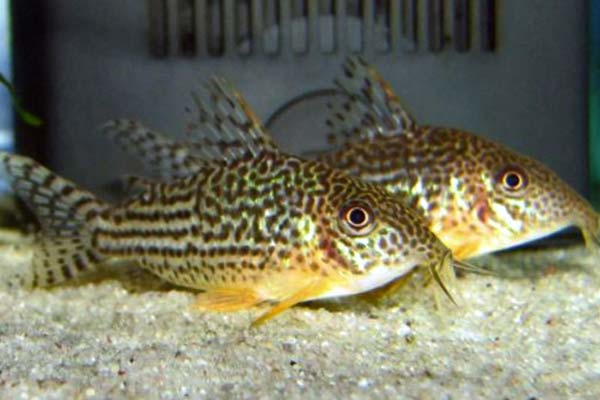
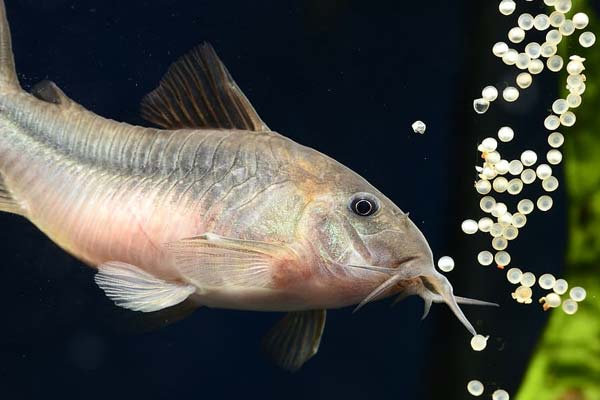
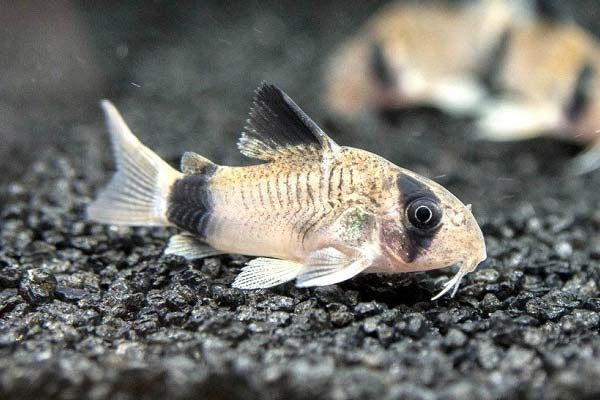
Cory catfish are popular with aquarium enthusiasts due to their playful and friendly nature. However, providing the appropriate environmental conditions for these fish is crucial to their health and well-being.
One important factor to consider is whether or not cory catfish need a heater in their aquarium.
As ectothermic (cold-blooded) animals, cory catfish are highly sensitive to changes in water temperature. Providing a consistent and appropriate temperature range in their aquarium is vital for their overall health and longevity.
While some species of catfish can adapt to a wider range of temperatures, most cory catfish require a specific temperature range to thrive.
So, do Cory catfish need a heater in their aquarium? The answer is generally yes, as most species of cory catfish originate from the Amazon basin in the tropical rainforest and require a temperature range between 74 to 80 degrees Fahrenheit (23 to 27 degrees Celsius) to thrive.
However, it is essential to note that the specific temperature requirements may vary depending on the species of cory catfish and the climate in which they live.
Cory Catfish in Aquariums
Cory catfish are a popular choice for aquarium enthusiasts. They are peaceful and hardy and come in various colors and patterns. However, many people wonder if they need a heater in their aquariums.
The answer is yes; in most circumstances, cory catfish need a heater to thrive. They originate from the Amazon basin, in the tropical rainforest, and prefer water temperatures between 74 and 80 degrees Fahrenheit.
Their health may be jeopardized if the water temperature drops below this range.
When setting up an aquarium for cory catfish, it is crucial to consider the size of the tank. They are social creatures and should be kept in groups of at least three to five individuals. A 20-gallon tank is the minimum recommended size for a small group of cory catfish.
In addition to the tank size, the substrate, and decorations in the tank are also important. Cory catfish have delicate barbels or whiskers that can be easily damaged by rough or sharp substrate.
A fine sand substrate is a good choice for cory catfish. Regarding decorations, they prefer hiding places like caves and plants.
Cory catfish are sensitive to ammonia and nitrite levels, making proper water parameters crucial for their health. Regular water changes and a reliable filtration system are necessary to maintain their well-being. Additionally, it’s important to avoid overfeeding to prevent poor water quality.
Importance of Heater for Cory Catfish
Cory catfish are known for their hardiness and adaptability to different environments. However, they are still sensitive to changes in water temperature. Keeping the water temperature stable is crucial for their health and overall well-being.
A heater is an essential component of an aquarium setup for cory catfish. It helps maintain a consistent water temperature, which is critical for survival.
Cory catfish are tropical fish that prefer water temperatures between 70°F (21°C) and 78°F (22°C). If the water temperature falls below this range, the fish will require additional warmth to survive.
Choosing the right aquarium heater is crucial for cory catfish. Opt for a thermostat-controlled heater that maintains a stable temperature, preventing harmful fluctuations. Temperature changes can stress catfish, weaken their immune system, and even lead to fatal diseases like ich.
Setting the Right Aquarium Temperature
Cory catfish thrive in specific temperature ranges. Maintaining the tank temperature between 74-80°F (23-26°C) is ideal for most species. However, it’s worth considering that temperature preferences can vary slightly among different cory catfish species.
Factors to Consider When Choosing a Heater
Selecting the right heater is crucial for a cory catfish aquarium. Consider the tank size, room temperature, and desired temperature range when choosing a heater.
Heater Setup and Maintenance
To maintain the desired water temperature in your aquarium:
1. Follow the manufacturer’s instructions when setting up the heater.
2. Monitor the water temperature regularly.
3. Clean and maintain the heater for optimal performance.
By implementing these steps, you can ensure a stable and suitable environment for your aquarium inhabitants.
Alternative Heating Methods
Various options exist for maintaining aquarium temperature:
- Heaters are commonly used and provide reliable temperature control.
- In consistently warm rooms, heaters may not be necessary.
- Some hobbyists utilize heat lamps or alternative heating devices to regulate water temperature.
Consider these options based on your specific circumstances to ensure an appropriate and stable temperature for your aquarium.
Monitoring Tank Temperature
Regardless of the method used to maintain the aquarium’s temperature, it’s essential to regularly monitor the temperature of the water to ensure that it remains within the appropriate range. This can be done using a thermometer or other temperature monitoring device 1.
Effects of Temperature on Cory Catfish
Cory Catfish are a popular species of freshwater fish known for their peaceful nature and bottom-feeding behavior. One of the most critical factors affecting Cory Catfish’s health and well-being is their environment’s temperature.
Thrive and Stress
Cory Catfish can thrive in various temperatures but prefer a consistent and stable environment. Fluctuations in temperature can cause stress and make them more susceptible to diseases and other health issues.
Disease and Ich
One of the most common diseases that can affect Cory Catfish is Ich, caused by a parasite that thrives in warm water. If the water temperature is too warm, it can weaken the fish’s immune system, making them more susceptible to diseases like Ich.
Metabolism and Lower Metabolism
The temperature of their environment directly impacts the metabolism of Cory Catfish. A warmer temperature can increase their metabolism, while a cooler temperature can lower it. This can affect their overall health and well-being, as well as their appetite and activity level.
Death
If the water temperature is too warm or cold, it can be fatal for Cory Catfish. They can become stressed, lethargic, and unresponsive, eventually leading to death.
Maintaining Cory Catfish Health
Cory catfish are hardy but still require certain conditions to maintain their health. One of the most important factors to consider is the water conditions in the tank. The water should be kept clean and free of harmful chemicals and toxins.
A filtration system is essential for maintaining good water quality in the tank. It helps to remove harmful substances such as ammonia, nitrites, and nitrates. High levels of ammonia and nitrites can be lethal to fish, while high levels of nitrates can cause health problems over time.
Creating a healthy environment for cory catfish involves monitoring water conditions and temperature. Test water regularly for ammonia, nitrites, and nitrates, aiming for zero ammonia and nitrites and keeping nitrate levels below 40 ppm.
Beneficial bacteria help maintain water quality. Maintain a stable temperature between 74-80°F using a water heater to prevent fluctuations. You can provide an optimal setting for your cory catfish by prioritizing these factors.
Conclusion
In conclusion, providing a suitable environment for cory catfish is essential to ensure they remain happy and healthy. The water temperature is a crucial factor in their well-being, and it is vital to maintain a consistent temperature range between 70°F (21°C) and 78°F (22°C).
Some species, such as Corydoras sterbai, prefer higher temperatures of up to 86°F, while others, such as Corydoras paleatus, can tolerate lower temperatures above 59°F.
While cory catfish can survive without a heater, it is recommended to install one to maintain a consistent temperature and avoid fluctuations that can stress the fish and compromise their health. A heater also helps regulate the water temperature during colder months or in low-temperature rooms.
For the health of cory catfish, it’s important to provide a suitable substrate, hiding places, and a reliable filtration system in addition to a heater.