
Can Cory Catfish Live with Bettas? Expert Advice and Tips
Cory catfish and betta fish are highly sought-after species in the aquarium hobby, and many people wonder if they can live together in the same tank. The good news is that cory catfish and bettas can coexist and generally do well as tank mates.
Cory catfish, known for their peaceful nature, primarily occupy the bottom layer of the tank, reducing the likelihood of conflicts with betta fish that predominantly inhabit the water’s surface. Acting as diligent bottom scavengers, cory catfish sift through the tank substrate, consuming leftover food particles and other debris. This healthy behavior makes them excellent tank mates for betta fish, as they assist in maintaining a cleaner environment by serving as a natural cleanup crew.
Cory catfish and bettas have similar water parameter needs and generally stay out of each other’s way. While betta fish can be aggressive, it depends on the individual fish. However, cory catfish are peaceful and avoid confrontation, making them a good match for bettas.
Additionally, cory catfish come in many different species, all of which can live with bettas. Cory catfish and betta fish make great tank mates for those looking to add variety to their aquarium.
Cory Catfish Information
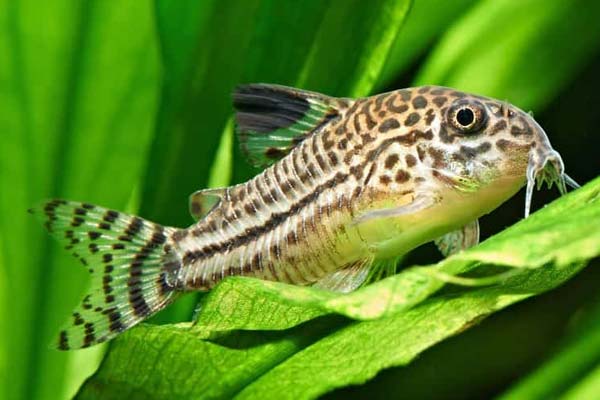
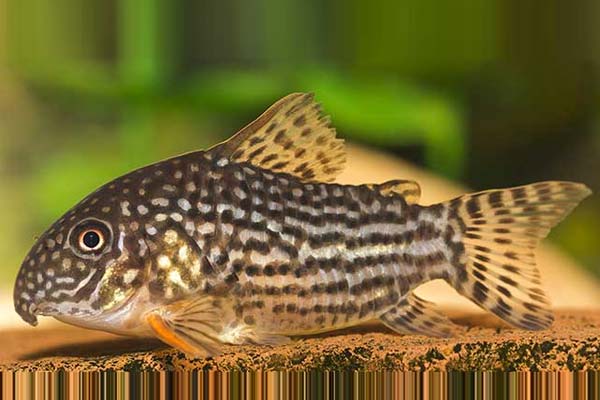
Cory catfish, also known as Corydoras catfish, is famous among aquarium enthusiasts. They are small, peaceful, and low maintenance, making them an excellent addition to any tank.
What is Cory Catfish?
Cory catfish, belonging to the Callichthyidae family, are a popular type of freshwater fish. They are native to South America and can be found in rivers, streams, and ponds. Cory catfish are bottom feeders, which means they spend most of their time scavenging for food on the substrate.
Cory Catfish Care
Cory catfish are low-maintenance care requirements and are perfect for beginners. They need at least a 10-gallon tank, but a larger one is better. The tank should be well-filtered with a gentle flow, and the substrate should be fine-grained sand or gravel. Cory catfish are social creatures and should be kept in groups of at least six.
They are peaceful and can be kept with other non-aggressive fish. Cory catfish are bottom feeders and should be fed sinking wafers or pellets. They also appreciate a varied diet that includes frozen or live foods.
The temperament of Corydoras Catfish
Cory catfish are peaceful and social creatures that do well in groups. They are bottom dwellers and spend most of their time scavenging for food on the substrate. Cory catfish are not aggressive and will not harm other fish in the tank.
Different Species of Cory Catfish
There are many different species of Cory catfish, each with its unique traits. The most popular species include Albino Cory, Peppered Cory, Julii Cory, Dwarf Cory, and Panda Corydoras Catfish. These species vary in size and coloration but share the same peaceful temperament and bottom-dwelling behavior.
Betta Fish Information
Betta fish, also called Siamese fighting fish, are renowned in the aquarium hobby for their striking colors and distinctive fin patterns. They are native to Southeast Asia and are often kept as solitary pets due to their aggressive and territorial nature.
Betta fish are carnivorous and have a specific dietary requirement for high protein. This essential nutrient can be fulfilled through specialized betta fish food or by offering live/frozen foods like bloodworms or brine shrimp. Feeding them in small amounts several times daily is essential to prevent overfeeding and bloating.
Regarding tank requirements, betta fish prefer warmer water temperatures between 75-82°F and a pH range of 6.5-7.5. They also require a minimum tank size of 5 gallons with plenty of hiding spots and plants to mimic their natural habitat.
Although betta fish is commonly sold as solitary pets, they can coexist with other non-aggressive fish species in the same tank.
However, male bettas should always be kept separate from other males to prevent aggression and fighting.
In the wild, betta fish are known to be territorial and aggressive towards other males but can coexist with females and other fish species. Monitoring and separating their behavior is crucial if any aggression is observed.
Compatibility Factors for Keeping Betta Fish and Cory Catfish Together
When considering keeping betta fish and cory catfish together, there are several factors to keep in mind to ensure they can live peacefully in the same tank.
Assessing the Temperament of Your Betta Fish
The temperament of a betta fish plays a crucial role in determining its compatibility with cory catfish. Some bettas may be more aggressive than others, and it’s crucial to assess their behavior before introducing them to any tank mates. If a betta is known to be highly territorial or aggressive, it may not be suitable to keep with other fish, including cory catfish.
Considerations Based on Betta Type/Species
Different betta species or types may exhibit varying levels of aggression and compatibility. For example, male bettas are typically more aggressive than females and should not be kept together. Additionally, some betta species may be more peaceful and better suited for community tanks, while others may be more territorial and require a larger tank with fewer tank mates.
Tank Setup Requirements
Providing suitable tank conditions and space for both species to thrive is crucial for their compatibility. A larger tank size is recommended to allow for more hiding spots and territory for each fish. It’s also vital to ensure the tank has adequate filtration and is kept at the appropriate temperature and pH level for both species.
Keeping Betta Females with Cory Catfish
Female bettas may be more suitable for community tanks, including with cory catfish. However, it’s essential to monitor their behavior and ensure they are not being harassed or stressed by their tank mates. Providing plenty of hiding spots and visual barriers can also help reduce any potential aggression.
Tank Setup and Maintenance
Several factors must be considered when setting up a cory catfish and bettas tank to ensure a comfortable and safe environment for both species.
How to Keep Cory Catfish and Betta Fish in the Same Tank
Firstly, it is essential to note that not all bettas will tolerate tank mates, so it is essential to monitor their behavior closely. Cory catfish are generally peaceful and make great companions for bettas, but it is crucial to choose appropriate tank mates based on the temperament of the betta.
When introducing cory catfish to an established betta tank, it is essential to do so gradually and monitor their behavior closely.
Creating hiding spots and caves for both species to retreat to can effectively minimize stress and aggression levels in the aquarium environment.
Tank Setup Recommendations
The ideal tank size for housing cory catfish and bettas together is at least 20 gallons, with a minimum of 5 gallons per betta. The tank should be decorated with live plants, driftwood, and suitable hiding spots like caves. It is important to avoid sharp decorations that can injure the fish.
The substrate should be fine-grained sand or rounded gravel to avoid injury to the cory catfish’s delicate barbels. The tank should be located away from direct sunlight and drafts to maintain stable water conditions.
Filtration Requirements
Proper filtration is crucial to maintain water quality and support the health of the fish. A filter with a flow rate of 5-10 times the tank volume is recommended to ensure adequate circulation and oxygenation.
It is essential to regularly test the water parameters, including ammonia, nitrite, and nitrate levels, and perform regular water changes to maintain optimal water quality.
Feeding Considerations for Both Species
Cory catfish are omnivores and require a varied diet of plant- and animal-based foods. They can be fed sinking pellets, flakes, and frozen or live foods such as bloodworms and brine shrimp.
Bettas thrive on a carnivorous diet with a high protein intake, which can be supplied through high-quality pellets, flakes, and frozen or live foods like brine shrimp and bloodworms. Nonetheless, avoiding overfeeding is essential to preserve water quality and ensure the overall well-being of all the fish in the tank.
Achieving Peaceful Coexistence between Betta Fish and Corydoras Catfish
Introducing cory catfish to a betta tank can be a great way to add variety and interest to the tank. However, ensuring the two species can coexist peacefully is crucial. Here are some tips to help achieve peaceful coexistence between betta fish and corydoras catfish.
Analyzing Your Betta’s Temperament
Before introducing cory catfish to a betta tank, assessing the aggression levels and compatibility of individual betta fish is vital. Some bettas are more territorial and aggressive than others and may need to be more suitable tank mates for corydoras catfish. In general, female bettas are less aggressive than males and can be more tolerant of other fish.
Tips for Successfully Introducing Cory Catfish to a Betta Tank
When introducing cory catfish to an established betta tank, it is vital to do so gradually. Add one or two corydoras catfish to the tank and observe how they interact with the betta. If there is no aggression or harm, gradually add more cory catfish to the tank.
Importance of Providing Hiding Spots
Ensuring hiding spots and territory for both species is essential to alleviate stress and minimize potential conflicts. Betta fish prefer the top of the tank, while corydoras catfish tend to stick to the bottom. They can coexist harmoniously with suitable hiding spots and territory, reducing the likelihood of territorial disputes.
Selecting the Right Cory Catfish for Your Betta
Choosing the suitable cory catfish species is vital for peaceful coexistence with bettas. Pygmy corydoras are an excellent choice as they are small, peaceful, and prefer to stay in groups. They also have similar diets to bettas and won’t compete for food.
Frequently Asked Questions and Related Questions
Does Corys Eat Betta Poop?
Cory catfish are scavengers who consume food items, including betta waste or poop, that settle at the bottom of the tank.
While it’s not their preferred food, they will consume it if they encounter it. However, it’s important to note that betta poop can contain harmful bacteria, so it’s best to keep the tank clean and remove any excess waste.
Can Bettas Attack Cory?
Bettas are known for their aggressive behavior, especially towards other fish with long fins and bright colors. However, cory catfish are generally peaceful and won’t provoke a betta. That said, monitoring their behavior and separating them if the betta shows signs of aggression towards the cory is essential.
Can Cory Catfish Have a ‘Fast’ Day?
Yes, Cory catfish can have a ‘fast’ day where they don’t eat any food. This can help regulate their digestive system and prevent overfeeding. However, it is essential to ensure they still have access to clean water and a comfortable environment during their fast.
Can Corydoras Eat Betta Food?
Cory catfish have an omnivorous appetite, meaning they can consume diverse foods. It is crucial to provide a balanced diet for cory catfish, including plant- and meat-based foods. Offering them pellets and frozen foods are excellent options to meet their dietary needs effectively.
How Much Food Do Corydoras Eat?
Cory catfish are small fish and don’t require a lot of food. A good rule of thumb is to feed them a small amount of food twice daily. They should be able to consume all the food within a few minutes. Overfeeding can lead to health issues and water quality problems in the tank.
Final Thoughts
When considering keeping cory catfish and bettas together in an aquarium, there are essential factors to remember. Careful introduction and close monitoring of their interactions are essential.
While cory catfish are peaceful bottom-dwellers that prefer schooling, bettas are solitary and territorial. However, they can coexist harmoniously with the correct tank setup and compatible temperaments.
Key considerations include providing a sufficient tank size, at least 10 gallons, with hiding spots and decorations for both species. Water conditions should be maintained to suit the preferences of cory catfish (slow-moving water with a sandy substrate) and bettas (calm water with hiding places and live plants). To meet their nutritional needs, a balanced diet of flakes, pellets, frozen meat, and sinking wafers should be provided.