
Are Cory Catfish Omnivores? Find Out What These Bottom Feeders Really Eat!
Cory catfish is a popular freshwater fish species often kept as pets in aquariums. One of the most important things to know about these fish is their diet. So, are Cory catfish omnivores? The answer is yes. These fish are omnivores, so they eat plant and animal matter.
Cory catfish feed on various foods in their natural habitat, including insects, crustaceans, and small fish. They also consume algae, plant matter, and other organic materials.
In an aquarium, it is essential to replicate their natural diet as closely as possible. A balanced diet that includes plant and animal matter is necessary for their health and well-being.
Feeding Cory catfish can be easy and enjoyable, and not picky eaters and will readily consume most types of food. However, ensuring that their diet is well-balanced and meets their nutritional needs is crucial.
You can make sure they’re happy and healthy in their tank by giving them a mix of plant and animal foods.
Key Takeaways
- Cory catfish are omnivores, meaning they eat both plant and animal matter.
- Out in nature, they feed on insects, crustaceans, little fish, algae, and other organic material.
- A balanced diet that includes plant and animal matter is essential for their health and well-being in an aquarium.
Are Cory Catfish Omnivores?
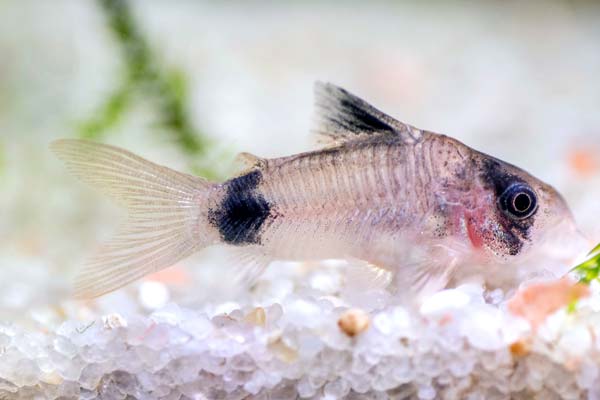
Cory catfish are a popular species of aquarium fish known for their peaceful nature and unique appearance. They are petite, bottom-dwelling fish that require minimal effort to maintain and coexist harmoniously with most other aquatic species. But are they omnivores?
To answer, let’s talk about “omnivore.” It’s an animal that eats plants and animals. Unlike herbivores (only plants) or carnivores (only animals), omnivores eat all kinds of stuff.
So, are Cory catfish omnivores? The answer is yes. Cory catfish are omnivores and feed on meat and plant matter to fulfill their ideal dietary requirement. They are not picky eaters and will go for whatever fits into their tiny mouths best.
To help them grow and be healthy, give your cory catfish different types of food. Some of the best foods for cory catfish include bloodworms, blackworms, mosquito larvae, blanched cucumber, and zucchini.
Natural Habitat and Diet of Cory Catfish
Habitat
Cory Catfish are native to South America and can be found in many of the continent’s rivers and streams. They prefer slow-moving waters with sandy or muddy bottoms and plenty of vegetation.
These fish mostly live in the Amazon River area, but you can also find them in South American places like Peru, Brazil, and Venezuela.
Diet
Cory Catfish eat many kinds of food in the wild because they are omnivores. Their diet includes worms, insect larvae, aquatic insects, and plankton. They use their barbels to search for food in the substrate and feed on the water’s surface.
Cory Catfish are known for their ability to eat algae and other plant matter, which makes them a popular addition to freshwater aquariums.
Cory Catfish can be fed various foods in captivity, including sinking pellets, frozen or live brine shrimp, and bloodworms. Giving them different foods is essential for getting all the needed nutrients.
Feeding Cory Catfish in an Aquarium
Cory catfish are omnivorous fish, meaning they require a balanced plant and animal matter diet to stay healthy. A varied diet in captivity supports their best growth and development.
Frequency and Quantity
Cory catfish should be fed once or twice daily, depending on their age and size. Younger and smaller catfish may require more frequent feedings, while adult catfish can be provided once a day.
It is essential to feed them appropriately as it can lead to health problems and water quality issues in the aquarium. A good rule of thumb is to provide them with only what they can consume within a few minutes.
Types of Food
Cory catfish will eat various foods, including sinking pellets, frozen bloodworms, tubifex worms, brine shrimp, and algae wafers. It is crucial to provide them with sinking foods as they are bottom feeders and will not swim to the surface to eat. It is also important to vary their diet to ensure they get all the necessary nutrients.
A balanced diet for healthy Cory catfish should include a mix of high-quality sinking pellets, frozen or live protein-rich foods, and vegetable matter like blanched zucchini or cucumber. Rotating their food options to prevent boredom and ensure a varied diet is also a good idea.
Feeding Techniques
When feeding Cory catfish, it is crucial to scatter the food over a wide aquarium area to ensure all catfish get their fair share. It is also essential to monitor the amount of food they consume to prevent overfeeding and water quality issues.
Observing their behavior during feeding times is recommended to ensure the catfish get enough food. If they are actively swimming and searching for food, it is a good indication that they are hungry and may require more food.
Benefits of Cory Catfish’s Omnivorous Diet
Cory catfish are known for their omnivorous diet, contributing to their ability to adapt and thrive in various environments. This section will discuss some of the benefits of their omnivorous diet.
Adaptability to Various Environments
Cory catfish are native to various regions of South America, where they inhabit slow-moving, clear shallow streams with sediment and a sandy riverbed. Their omnivorous diet allows them to consume multiple food sources, including plant matter, insects, and small crustaceans.
This adaptability to different food sources allows them to survive and thrive in various environments, including aquariums with varying types of food available.
Aquarium Maintenance
Cory catfish, as bottom feeders, eat leftover food at the tank’s bottom, contributing to tank cleanliness and minimizing harmful waste accumulation. By consuming uneaten food, they also inhibit harmful bacteria growth, preventing potential health issues for other fish in the tank.
Nutritional Requirements
Cory catfish requires a balanced diet that includes both plant and animal matter. Their omnivorous diet provides them the necessary nutrients, including protein, carbohydrates, and fats.
To ensure a balanced diet, it is crucial to provide them with various food sources, including sinking pellets, freeze-dried insects, and vegetables like zucchini and cucumber.
Conclusion
Cory catfish are omnivores, requiring a balanced plant and animal matter diet. They are excellent bottom-feeders and scavengers, making them an ideal addition to most aquariums. However, it is essential to note that Cory catfish should not be solely fed on one type of food, as this can lead to nutritional deficiencies and health problems.
To ensure proper care for their Cory catfish, readers should provide a varied diet consisting of high-quality fish flakes, pellets, and frozen or live foods such as brine shrimp or bloodworms. Maintaining a clean and well-filtered aquarium environment with regular water changes and appropriate tank size is essential.
Cory catfish are peaceful and friendly fish that can thrive in a community tank setting. By providing them with a balanced diet and proper care, aquarists can enjoy the company of these fascinating creatures for many years to come.