Are Guppies Schooling Fish? A Clear Answer
Guppies are highly popular freshwater aquarium fish due to their vibrant colors and lively personalities. However, there is some uncertainty regarding whether guppies exhibit schooling behavior.
The answer to this question is guppies are considered to be schooling fish. While they are not strictly schooling fish like some species, such as surgeonfish, they exhibit schooling behavior in certain situations.
Factors that can influence guppy schooling behavior include:
- The presence of predators.
- The availability of food and shelter.
- The size and sex of the group.
Key Takeaways
- Guppies are considered to be schooling fish, but they are not strictly schooling like some species.
- Factors influencing guppy schooling behavior include predators, availability of food and shelter, and group size and sex.
- Creating an optimal environment for promoting guppy schooling behavior can offer benefits such as increased safety and reduced stress for the fish.
Schooling Behavior in Guppies
Characteristics of Schooling Fish
Schooling behavior is a typical social behavior among fish species. Schooling fish swim in a coordinated and synchronized manner, simultaneously moving in the same direction.
Schooling behavior is thought to provide several benefits to fish, including increased protection from predators, better foraging opportunities, and improved mating success.
Observations of Guppy Behavior in the Wild and Captivity
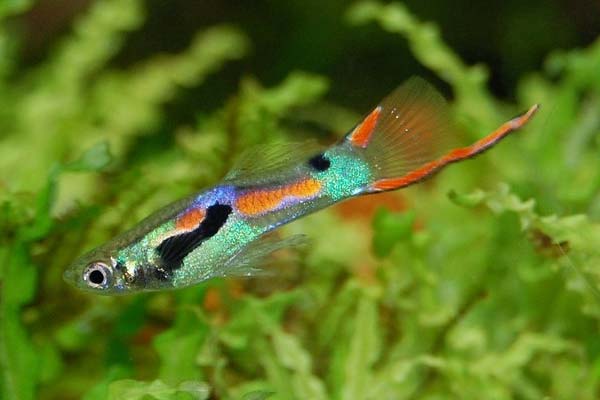
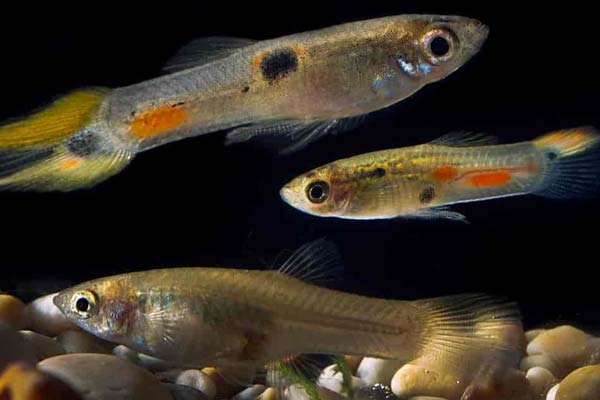
In the wild, guppies are found in freshwater streams, rivers, and ponds throughout South America. Guppies are social fish and often form schools with other fish species in their natural habitat. In captivity, guppies also exhibit schooling behavior, swimming together in groups with other fish in the tank.
Guppies are known to be active and curious fish, and they are often seen exploring their environment. They are also known for their colorful and distinctive patterns, which vary widely between guppy varieties.
Differentiating Between Schooling and Shoaling Behaviors
It’s important to note that there is a difference between schooling and shoaling behavior in fish. Shoaling behavior refers to fish swimming together in a loose group without the coordinated and synchronized movements seen in schooling behavior.
While guppies are often called schooling fish, they can also exhibit shoaling behavior in certain situations. For example, guppies may shoal together when they are resting or when they are not feeling threatened.
Factors Influencing Guppy Schooling
Guppies are known for their social behavior and tendency to form schools. However, several factors can influence their schooling behavior, including genetic and environmental influences, tank size, and population density.
Genetic and Environmental Influences on Social Tendencies
Guppies have a genetic predisposition towards social behavior influenced by environmental conditions. For instance, guppies living in a community with other fish are more social than those living alone. Additionally, factors such as the presence of predators, availability of resources, and water flow can impact their social tendencies.
Impact of Tank Size and Population Density
The size of the tank and the number of guppies in it can also impact their schooling behavior. Guppies tend to school in smaller tanks more often, as they have limited space to move around.
Conversely, they may school less frequently in larger tanks, as they have more room to spread out. Furthermore, overcrowding can lead to stress, territorial behavior, and aggression, impacting social behavior.
Benefits of Guppy Schooling
Guppies are known as schooling fish, and they exhibit a variety of beneficial behaviors. Here are some of the benefits of guppy schooling:
Protection Against Predators
One of the main benefits of guppy schooling is protection against predators. Guppies form groups to increase their safety in numbers and reduce their risk of being preyed upon. When guppies school together, they create a barrier that scares predators away.
This stance makes guppies appear prepared to attack and fight back, which deters predators from attacking them. Additionally, guppies are more alert when in a group and can detect predators more easily.
Enhanced Foraging and Feeding Efficiency
Guppies also benefit from schooling when it comes to foraging and feeding. Schooling fish are more efficient at finding food sources and competing for them.
When guppies school together, they can cover a larger area and find more food sources than they could individually. They also compete more effectively for food, which leads to better nutrition and growth.
Social Communication and Learning
Guppies are social creatures, and schooling provides them opportunities for social communication and learning. When guppies school together, they interact with one another and develop social hierarchies.
This hierarchy helps maintain order within the group and reduces aggression and competition. Guppies also learn from one another, especially when finding food sources and avoiding predators.
Creating an Optimal Schooling Environment
Suitable Tank Setup and Features
To create an optimal schooling environment for guppies, they must ensure their tank is set up appropriately. The tank should be spacious enough to accommodate the guppies you have, with a minimum size of 10 gallons for a small group.
Maintaining a stable water temperature within the range of 72°F to 82°F is essential for proper guppy fish care. Additionally, it is crucial to ensure that the water parameters remain stable and within the recommended range.
The tank should have hiding places, such as plants or decorations, to provide a sense of security for the guppies. It is also recommended to have a filter to maintain water quality and to provide a gentle current that simulates their natural habitat.
A well-lit tank with a dark substrate and some floating plants will create a perfect environment for guppies to thrive.
Considerations for Tankmates and Social Dynamics
When choosing tankmates for guppies, it is essential to consider their social dynamics. Guppies are peaceful fish and can coexist with other delicate fish of similar size and temperament.
Avoid keeping them with aggressive or predatory fish that may harm or stress them. Supporting them with fish of the same species is also recommended to promote a sense of security and cohesion.
Guppies are active and social fish that thrive in groups. Keeping at least five to six guppies together is recommended to create a school. However, it is essential to avoid overcrowding the tank, leading to stress, aggression, and poor water quality.
Promoting a Sense of Security and Cohesion
It is essential to maintain a stable and stress-free environment for guppies to promote a sense of security and cohesion. Avoid sudden changes in tank conditions, such as water temperature or pH, which can stress them. Provide a varied diet of high-quality food to keep them healthy and happy.
Creating an optimal schooling environment for guppies involves:
- Providing suitable tank setup and features.
- Considering their social dynamics.
- Promoting a sense of security and cohesion.
Common Misconceptions
Clarifying Misconceptions About Guppy Schooling
There are several misconceptions about guppy schooling behavior that need to be clarified. One of the most common misconceptions is that guppies are shoaling fish, not schooling fish. However, this is only partially accurate. While it is true that guppies are shoaling fish, they are also capable of actual schooling behavior.
Differentiating Between Swimming in Groups and True Schooling Behavior
Another common misconception is that swimming in groups is the same as school behavior. While swimming in groups is a form of social behavior, it is not the same as proper schooling behavior.
Correct schooling behavior involves swimming coordinatedly, with each fish adjusting its movements to match its neighbors. Swimming in groups, on the other hand, is simply swimming near other fish.
Individual Variations in Guppy Behavior
It is also important to note that not all guppies exhibit the same behavior. Some guppies are more social than others and may exhibit actual schooling behavior more frequently. Others may prefer to swim in smaller groups or even alone.
Additionally, environmental factors such as tank size, water quality, and the presence of predators can also affect guppy behavior.
Observing and Promoting Guppy Schooling
Identifying Signs of Schooling Behavior
Guppies are social fish that exhibit schooling behavior when threatened by other aggressive fish. Observing guppies in an aquarium, one can see them swimming together in a coordinated manner. Signs of schooling behavior include swimming in a tight group, following a leader, and moving in unison.
Creating a Varied and Stimulating Environment
Creating a varied and stimulating environment is essential to promote guppy schooling behavior. This can be achieved by adding plants, rocks, and other decorations to the aquarium. These items provide hiding places and resting spots for guppies, making them feel more comfortable and secure.
Additionally, varying the temperature and lighting in the aquarium can help promote guppy activity and socialization. Guppies thrive in water temperatures between 72 and 82 degrees Fahrenheit and prefer a well-lit environment.
Promoting a Sense of Security and Cohesion
Creating a sense of security and cohesion among guppies is essential for promoting schooling behavior. A balanced and nutritious diet is vital for keeping guppies healthy and happy. Feeding habits can also encourage socialization, as guppies gather around food sources.
It is also essential to provide a stable and consistent environment for guppies. Sudden changes in environmental conditions or water quality can stress out guppies and disrupt their social behavior. Providing a clean and well-maintained aquarium promotes a sense of security and cohesion among guppies.
Conclusion
Guppies are social fish that exhibit schooling behavior, finding comfort and safety in the presence of their schoolmates. This behavior is a defense mechanism against predators and adds beauty to their movement.
Aquarium hobbyists need to understand and recreate this social dynamic in their tanks to ensure the well-being and happiness of their guppies. Providing a suitable environment that mimics their natural habitat is crucial for their survival and breeding.