How Do Guppies Mate? A Comprehensive Guide
Guppies are among the most famous aquarium fish species due to their vibrant colors and playful personalities. Breeding guppies is also a favorite pastime for many hobbyists.
However, to successfully breed guppies, it is essential to understand the mating process of these fish. Guppies mate through internal fertilization, and the male transfers sperm to the female using a modified anal fin called a gonopodium.
During courtship, males perform elaborate displays to attract females, including colorful body patterns and movements. Fertilization occurs once the male and female have “found each other” and are ready to mate.
The male guppy will position himself behind the female and turn to his side, and the gonopodium will deposit the sperm into the female’s cloaca.
Understanding the guppy mating process is crucial for successful breeding, and factors such as water temperature, pH levels, and the male-to-female ratio can influence mating behavior.
By observing the mating rituals and post-mating behavior of guppies, hobbyists can gain valuable insights into the reproductive cycles of these fish and improve their breeding success.
Key Takeaways
- Guppies mate through internal fertilization using a modified anal fin called a gonopodium.
- Males perform elaborate displays to attract females during courtship.
- Factors such as water temperature and male-to-female ratio can influence guppy mating behavior.
Guppy Mating Process
Male Guppy’s Courtship Behavior
Male guppies initiate the mating process by performing courtship behavior toward the female. They usually start by swimming around the female and flicking their tail in her direction.
This behavior is meant to catch the female guppy’s attention and let her know he is interested in mating. During courtship, males perform elaborate displays to attract females, including colorful body patterns and movements.
Female Guppy’s Response to Courtship
Female guppies are selective when it comes to mating. They only mate with males that exhibit attractive courtship behavior. If the female guppy is interested in mating, she will respond to the male’s courtship behavior by slowing down and allowing the male to get close.
Male Guppy’s Mating Strategy
Once the male guppy has attracted the female’s attention, he will display his anal fin, modified to transfer sperm to the female. The male guppy will then position himself under the female and use his anal fin to fertilize her eggs.
Actual Mating Process of Guppies
The physical act of mating in guppies is a quick process that lasts only a few seconds. During mating, the male guppy will transfer sperm to the female guppy using his gonopodium, which is a modified anal fin.
The female guppy will keep the sperm inside her body until she is prepared to fertilize her eggs.
Breeding guppies is a popular hobby among fish enthusiasts. Creating an environment conducive to their mating behavior is vital to breeding guppies successfully.
This includes maintaining a stable water temperature within 77°F – 80.6°F, providing hiding places for pregnant female guppies to expel their fry after mating, and selecting fish with desirable traits for breeding.
Factors Influencing Guppy Mating
Various factors influence guppy mating behavior, including environmental conditions and social dynamics within guppy populations. Understanding these factors can help aquarium owners create optimal conditions for successful breeding.
Environmental Conditions for Successful Mating
Several environmental conditions can affect guppy mating behavior. The following are some of the critical factors:
Water temperature: Guppies prefer a water temperature between 72 and 82 degrees Fahrenheit for successful mating. If the water temperature is too low, the males may become lethargic and lose interest in mating. Similarly, when the water temperature is excessively high, it can result in stress and potential health issues.
Water quality: When the quality of the water is not good, it can cause stress and illness among the fish, which can, in turn, impact their mating behavior. Regular water changes, proper filtration, and appropriate water parameters can help ensure optimal conditions for successful breeding.
Tank size and condition: Guppies need ample space to swim and mate. A too-small or overcrowded tank can lead to stress and aggression, negatively impacting mating behavior. A clean or poorly maintained tank can also lead to better water quality and health problems.
Substrate: Guppies prefer a smooth substrate that is free of sharp edges. A rough substrate can damage their fins and lead to stress, which can affect mating behavior.
Food: Providing a varied and nutritious diet can help ensure that guppies are healthy and in good breeding conditions.
Social Dynamics Within Guppy Populations
Social dynamics within guppy populations can also influence mating behavior. The following are some of the critical factors:
Species: Guppies are polyandrous, which means that females will mate with many male guppies. However, they may prefer certain males based on their physical characteristics, such as color or fin shape.
Stress: Stress can negatively impact mating behavior. Guppies may become stressed if they are housed with aggressive tankmates or if there are sudden changes in the tank environment.
Water parameters: Guppies are sensitive to changes in water parameters, such as pH level and water hardness. Sudden changes can cause stress and negatively impact mating behavior.
Heater: A heater can help maintain a consistent water temperature, essential for successful mating behavior.
Filter: Proper filtration can help maintain good water quality, vital for healthy guppies and successful breeding.
Water changes: Regular water changes can help maintain optimal water quality and reduce stress in guppies.
Understanding Guppy Reproduction Cycles
Overview of Guppy Reproductive Cycles
Guppies are known for their fast reproductive cycles. They are ovoviviparous, meaning they keep their eggs inside their bodies until they hatch. Unlike other fish, guppies do not lay eggs.
Instead, the female guppy gives birth to live young. The gestation period for guppies is typically around 21 to 30 days, depending on the temperature of the water.
During the gestation period, the female guppy’s belly will enlarge, and she will become noticeably rounder. This is a sign that she is pregnant. Pregnant guppies should be kept in a separate tank to prevent other fish from eating the baby guppies, also known as fry.
Significance of Reproductive Timing
Various factors, including water temperature, lighting, and the presence of male guppies, influence guppy breeding. The optimal temperature for guppy breeding is between 74 and 82 degrees Fahrenheit. Guppies are also sensitive to lighting conditions and prefer a well-lit environment for breeding.
It is essential to pay attention to the timing of guppy reproduction cycles. Female guppies can store sperm for several months, meaning they can give birth to multiple batches of fry from the same mating.
However, it is recommended to separate male and female guppies after breeding to prevent overbreeding and ensure the health of the female guppy.
Mating Rituals and Display
Male and female guppies are sexually mature at approximately two to three months old. The mating rituals of guppies are complex and involve a variety of displays and behaviors.
Intricate Mating Displays of Male Guppies
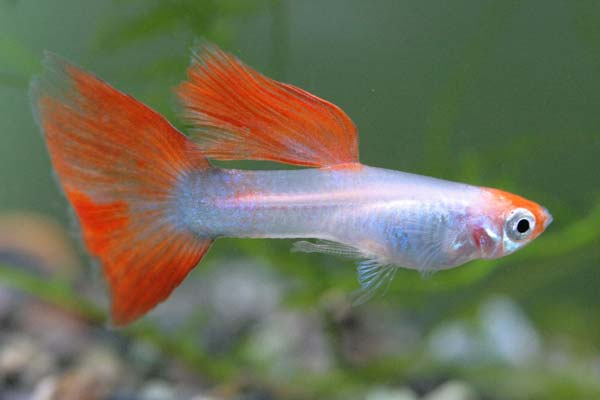
Male guppies use their appearance and movements to attract females. They display bright and vibrant colors, especially vivid when viewed from certain angles. Male guppies also use their fins to create a variety of movements, including wiggling, shaking, and flaring.
During courtship, the male guppy will perform an elaborate dance around the female, lasting several hours. This dance involves a series of movements, including zigzagging, swimming in circles, and darting back and forth. The male guppy will also use his fins to create various shapes and patterns to attract attention to the female.
Female Guppy’s Choice of Mating Partner
Female guppies have a choice when it comes to selecting a mate. They are attracted to males with bright and vibrant colors and those with intricate and complex movements. Female guppies also prefer males who are larger and more dominant.
Once a female guppy has selected a mate, the male will use his gonopodium to transfer sperm to the female. This process is called internal fertilization and takes place inside the female’s body. Female guppies can store sperm for several months, allowing them to fertilize multiple batches of eggs.
Post-Mating Behavior
After guppies mate, there are several behaviors that both male and female guppies exhibit. This section will discuss the post-mating behaviors of guppies, focusing on the male guppy’s protective behavior towards the female and the female guppy’s nesting and birthing process.
Male Guppy’s Protective Behavior Towards Female
Male guppies exhibit protective behavior towards the females after mating. They will chase away other male guppies and may even become aggressive toward other fish in the tank.
This behavior is crucial because it ensures that other males do not harass the female guppy and can focus on carrying and birthing healthy fry.
Female Guppy’s Nesting and Birthing Process
After mating, the female guppy will begin the nesting and birthing process. She will seek out hiding places in the tank, such as plants or decorations, to create a safe and secure environment for her fry.
Female guppies can carry sperm for several months, giving birth to multiple fry batches without mating again. When the female guppy is ready to give birth, she will display several signs, including a swollen belly and a dark gravid spot near her anal fin.
This is the time to move the pregnant guppy to a separate breeding tank to ensure that other fish do not eat the fry in the tank. The breeding tank should be well-maintained with proper filtration, and the water temperature should be around 78-80°F.
During the birthing process, the female guppy will release a live fry ready to swim and eat. Feeding the baby guppies brine shrimp or other live foods is recommended to ensure they are healthy and growing properly. The mother guppy may also eat some of her fries, so separating the adults from the fry is crucial to prevent this from happening.
Conclusion
Guppies are popular among fish keepers and pet enthusiasts due to their vibrant colors and active personalities. Breeding guppies is a common hobby among fish keepers, and understanding the basics of guppy mating can help achieve successful results.
Guppies mate through internal fertilization, with the male transferring sperm to the female using a modified anal fin called a gonopodium.
During courtship, males perform elaborate displays to attract females, including colorful body patterns and movements. Once the male and female guppies are ready to mate, the male positions himself behind the female and turns to his side, and the actual fertilization process occurs.
Studying guppy reproduction is essential for understanding their mating behavior and ensuring successful breeding. Male and female guppies have distinct physical characteristics, with males typically being larger and more colorful than females. Understanding these differences is essential when selecting breeding pairs.
Additionally, monitoring the breeding process is crucial for the health of the fry. Female guppies can give birth to up to 200 fry at a time, and it is critical to provide proper care and nutrition for the newborns to ensure their survival.