Why Do Birds Stand On One Leg: The Science Behind This Common Behavior
Birds are fascinating creatures that exhibit a wide range of behaviors. One of the most peculiar behaviors is their tendency to stand on one leg. This behavior is often observed in various bird species, from small songbirds to large wading birds.
The question of why birds stand on one leg has long puzzled scientists and bird enthusiasts alike. While there are several theories, the most widely accepted explanation is that it helps birds conserve body heat.
By tucking one leg into their feathers, birds reduce the heat lost through their legs, often unfeathered and exposed to the elements. This behavior is critical during cold weather, when birds must conserve as much heat as possible to survive.
Anatomy and Adaptations of Birds
Birds have unique adaptations that allow them to maintain balance and stability while perching or flying. Their anatomy plays a crucial role in their balancing abilities.
For instance, birds have lightweight bones and a skeletal structure that enables them to fly quickly. The bones of birds are also strong enough to withstand the pressures of flight.
Another unique adaptation of birds is their muscular system. Birds have a highly efficient muscular system that conserves energy and allows them to fly for extended periods.
Their tendons also play a crucial role in maintaining posture and balance. Birds have a tendon that runs from their heel to their belly feathers, which helps them maintain their balance while perching.
Feathers are also a crucial adaptation of birds. Feathers help protect birds from bad weather and provide insulation to maintain their body temperature. They also play a crucial role in flight by providing lift and reducing drag.
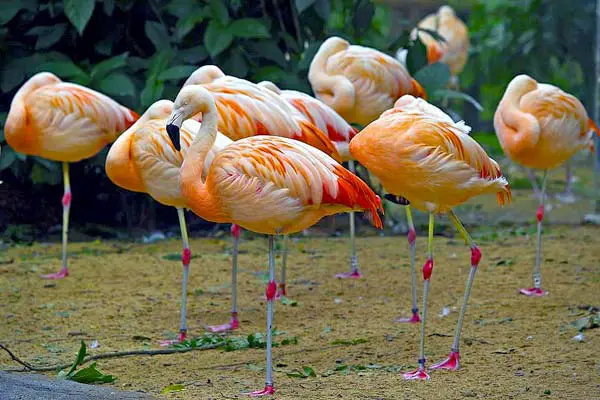
Some bird species have unique adaptations that allow them to stand on one leg. For example, flamingos and great blue herons have a rete mirabile, a network of arteries and veins that helps regulate their body temperature.
By standing on one leg, they can reduce heat loss through their unfeathered limbs, conserving energy and maintaining their body temperature.
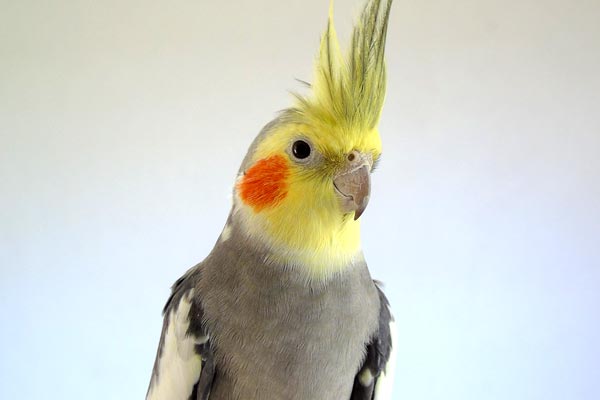
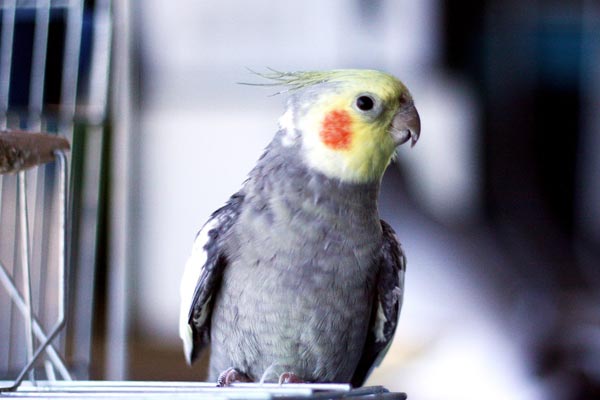
Other birds, such as budgerigars and perching birds, stand on one leg to minimize muscle fatigue and rest better. Birds that stand on one leg have a tendon that runs from their knee to their ankle, which helps them maintain their balance.
Additionally, some birds, such as ducks, geese, and swans, can engage in unihemispheric slow-wave sleep, which allows them to rest one half of their brain while the other half remains alert to potential threats.
Why Do Birds Stand On One Leg?
Birds are known to stand on one leg, a behavior that has puzzled many. While it may seem odd, this behavior has several benefits for birds.
Reduction of Heat Loss To the Environment
Birds often stand on one leg primarily to minimize heat loss to their environment. Birds must maintain a specific body temperature for optimal functioning as warm-blooded creatures. By standing on a single leg, birds can reduce heat dissipation through their unfeathered limbs, effectively conserving energy and regulating their body temperature.
Reduction of Muscle Fatigue
Birds also stand on one leg to reduce muscle fatigue. Standing on one leg requires less energy than standing on two legs, allowing the bird to rest one leg while using the other to maintain balance. This behavior helps birds conserve energy and minimize muscle fatigue, especially during prolonged standing.
Resting Behavior and Predation Protection
Birds adopt the one-legged stance to minimize heat loss and for resting and sleep purposes. This stance allows them to rest their muscles and conserve energy for balance maintenance. Moreover, standing on a single leg provides a defensive advantage, making it harder for ground-based predators to detect them.
Bird Species That Stand on One Leg
Many bird species are known to stand on one leg for extended periods. These include the White Stork, Canada Goose, Budgerigar, Red-Tailed Hawk, Great Blue Heron, American Flamingo, and many more.
Birds that stand on one leg are diverse and can be found in various habitats, including wetlands, forests, and grasslands. Ducks, geese, flamingos, herons, storks, hawks, gulls, and wading birds are some of the bird families that exhibit this behavior.
The Great Blue Heron is a well-known bird that stands on one leg. This bird is often seen standing motionless in shallow water, waiting for prey to come within reach. The Canada Goose is another bird commonly standing on one leg, especially when resting or sleeping.
Birds of prey, like the Red-Tailed Hawk, also exhibit this behavior. These birds often stand on one leg while perching high up in trees, waiting for prey to come into view. Pigeons, egrets, and sandhill cranes are other bird species that stand on one leg.
The White Stork is a bird famous for standing on one leg. This bird is known for its long-distance migrations and is often seen standing on one leg while resting during its journey.
The American Flamingo is another bird that is known for its one-legged stance. This bird stands on one leg to conserve body heat and maintain balance while wading in shallow water.
When and How Birds Stand On One Leg
Birds exhibit an unusual behavior of standing on one leg, frequently observed across different species. While wading birds like flamingos, herons, and storks are commonly associated with this behavior, they are not exclusive. Although the precise reasons behind this behavior remain mysterious, it is likely to be influenced by multiple factors.
Factors influencing one-legged stance
Resting behaviors and posture
Birds standing on one leg typically engage in this behavior during periods of rest or sleep. By tucking one leg against their body, they conserve energy and retain body heat. Some birds even alternate between legs while standing, potentially preventing muscle fatigue.
Environmental conditions and habitat
Environmental conditions, such as cold temperatures or wetland environments, may influence a bird’s decision to stand on one leg. By reducing the surface area of their body in contact with the ground, birds can minimize heat loss and exposure to cold or wet conditions.
Foraging and feeding habits
Birds that forage or feed in shallow water may also stand on one leg to maintain balance and avoid disturbing the water’s surface. This behavior allows them to detect prey more quickly and avoid alerting potential predators.
Mechanisms and techniques employed by birds to maintain balance
When standing on one leg, birds must employ various mechanisms and techniques to maintain balance and prevent falling. These include:
- Adjusting their weight distribution to distribute weight evenly between their toes and grip the perch securely.
- Using their wings to help stabilize their body and maintain balance.
- Tensing their leg muscles to maintain posture and prevent swaying.
Birds may also employ different techniques depending on the situation, such as using their beak or tail to balance while perched or adjusting their posture during flight.
Sleeping Habits: Do Birds Sleep Standing on One Leg?
Birds are known for their peculiar habit of standing on one leg, which raises the question of whether they also sleep in the same position. While it may seem like an uncomfortable way to sleep, some birds do sleep while standing on one leg.
Birds have various sleeping postures and positions, with some species sleeping while perched on a branch or other elevated surface. They tuck their head under their wing and use their feathers to keep warm. Other birds, such as ducks and swans, sleep while floating on water, while some species, like the Common Poorwill, sleep on the ground.
Interestingly, some birds exhibit Unihemispheric Slow-Wave Sleep (USWS), where they can sleep with one half of their brain at a time while the other half remains awake. This allows them to rest and remain alert to potential threats, such as predators or other dangers.
While it may seem like birds only sleep while standing on one leg, this is not entirely true. Birds can sleep in various positions while perched on one or both legs. However, some birds, such as flamingos, sleep while standing on one leg, possibly to conserve body heat or reduce muscle fatigue.
Frequently Asked Questions about Birds Standing On One Leg
What Is the Meaning Behind a Bird’s Behavior of Standing on One Leg?
Birds standing on one leg is a common sight, often associated with sleeping or resting. However, birds also stand on one leg to regulate their body temperature. By standing on one leg, birds minimize the body heat lost through their unfeathered legs and feet.
Do Birds Always Stand On The Same Leg?
No, birds do not always stand on the same leg. They alternate legs frequently to avoid muscle fatigue and to distribute their weight evenly. Birds also stand on one leg to give the other leg a rest, especially during long periods of standing.
Can Birds Experience Fatigue from Standing on One Leg?
Birds have adapted to standing on one leg for extended periods without getting tired. A bird standing on one leg uses a locking mechanism in its knee joint to stay balanced with minimal effort. This mechanism is known as “passive perching,” enabling birds to sleep or rest while standing on one leg without getting tired.
Why Did Birds Stand On One Leg In Summer?
In summer, birds stand on one leg to regulate their body temperature by minimizing heat loss through unfeathered legs and feet. This energy-conserving behavior helps them stay cool during hot weather.
Benefits of Birds Standing On One Leg
There are several benefits of birds standing on one leg. First, it helps them conserve energy by reducing the muscle activity required to stand.
Second, it helps them regulate their body temperature by minimizing the body heat lost through their unfeathered legs and feet. Third, it helps them to avoid muscle fatigue by alternating legs frequently.
How Do Birds Stand On One Leg Without Falling?
Birds stand on one leg without falling, using a locking mechanism in their knee joint to stay balanced with minimal effort.
This mechanism is “passive perching,” enabling birds to sleep or rest while standing on one leg without falling. Additionally, birds have strong leg muscles and tendons that help them to maintain their balance while standing on one leg.
Conclusion
In conclusion, why birds stand on one leg has puzzled scientists for a long time, and different theories have been proposed to explain this behavior.
One of the most widely accepted explanations is that birds stand on one leg to minimize heat loss and maintain their body temperature, especially in cold climates.
Birds have a unique anatomical adaptation called counter-current heat exchange, which helps them conserve heat by reducing the heat lost through their unfeathered limbs. By standing on one leg, birds can reduce the body area from which heat can escape, thus conserving more heat.
Birds also stand on one leg to prevent muscle fatigue. Standing on two legs for long periods can be exhausting, so birds must rest and avoid overexertion. By adopting a one-legged stance, birds can alternate between their legs, alleviating muscle strain and minimizing fatigue.
While there is still much to learn about this behavior, scientists and bird enthusiasts continue studying and observing birds in their natural habitats to understand their behavior and physiology better.
Organizations such as the Audubon Society, Cornell Lab of Ornithology, and BirdNote provide valuable resources and information on bird behavior, conservation news, and more for bird lovers and researchers alike.