Why Do Birds Have Tails? The Purpose and Function of Avian Tail Feathers
Birds are fascinating creatures with unique characteristics that stand out from other animals. One of these remarkable features is their tails, which serve a crucial purpose in their survival. Understanding why birds have tails is essential for appreciating the complexity of their anatomy and behavior.
One of the critical questions that arise when discussing bird tails is, why do birds have tails? Birds use their tails for various reasons, including aiding in flight, maneuvering while flying, and performing additional functions such as courting rituals and territorial displays. Their tails are made up of rectrices, specialized feathers essential for their survival in the wild.
What Is A Bird’s Tail Called?
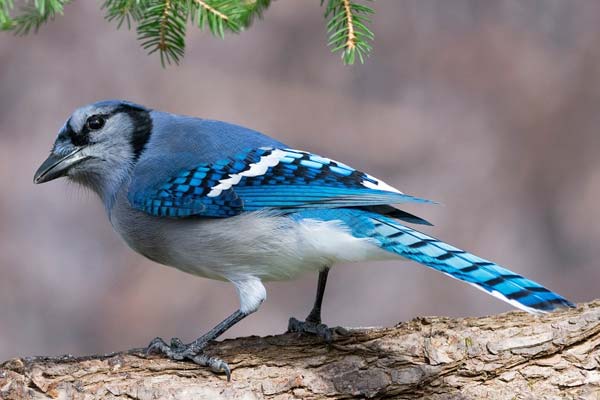
A bird’s tail is called a rectrix. It comprises feathers attached to the tailbone and arranged in a fan-like shape. The rectrices are located at the end of the tail and are responsible for steering and stabilizing the bird during flight.
The rectrices are an essential part of a bird’s anatomy, and they help the bird maintain balance and control while in the air. They also play a crucial role in the bird’s overall aerodynamics, enabling it to fly precisely and efficiently.
A bird’s number of rectrices can vary depending on the species, but most birds have between 10 and 12. The rectrices are numbered from the center of the tail outwards, with the two central feathers being the longest and the outermost feathers being the shortest.
Birds molt their feathers regularly, including their rectrices. Molting is when a bird sheds its old, worn feathers and grows new ones. The molting process can take several weeks or months when the bird cannot fly.
Why Do Birds Have Tails?
Birds have tails for many reasons. One of the primary reasons is that tails are essential for flight. Tails help birds stay airborne, maneuver while flying, take off, and land safely. But tails also have additional vital functions for birds’ survival and reproduction.
Exploring the evolutionary reasons behind bird tails reveals that birds are descended from theropod dinosaurs like the T.rex, which used to use tails for balance. As these animals evolved to fly, birds lost the heavy tail in place of a lighter, smaller appendage.
The tailbone in birds is fused to the rest of the skeleton, which makes it more rigid and helps to provide stability during flight.
The connection between bird tails and their reptilian ancestors is clear. The structure of bird tails is similar to that of reptile tails, which also have a series of bony vertebrae. However, bird tails are much more specialized and have evolved to serve various functions beyond balance.
Rectrices, the specialized feathers that make up the tail, are some of the most critical feathers on a bird’s body. They help to provide lift and stability during flight, but they also play a role in communication and courtship. For example, male peacocks use their impressive tail feathers to attract mates.
Can A Bird Fly Without A Tail?
Tail feathers are essential for bird flight, providing much-needed lift, balance, and steering when flying. However, some birds can still fly without tails, although it may affect their flying ability and make them more vulnerable to predators.
Birds with clipped or missing tail feathers, such as pigeons and doves, have been known to fly, but their flight may not be as effective as those with intact tails. Their ability to take off and maneuver in the air may be compromised, making them more susceptible to predators.
While some birds can fly without tails, it is essential to note that tail feathers play a vital role in bird flight. They act as a rudder, helping birds steer and maintain balance in the air. Birds may have difficulty controlling their flight and maintaining stability without a tail.
In addition, tail feathers are crucial for aerodynamics. They help birds generate lift and reduce drag, allowing them to fly more efficiently. Without a tail, birds may work harder to stay aloft, making it more challenging to fly long distances or evade predators.
Do All Birds Have Tails?
Birds are known for their ability to fly, and their tail is one of the unique features that help them achieve this feat. But do all birds have tails? The short answer is yes; all birds have tails. However, the tail’s size, shape, and function can vary significantly between bird species.
In birds, the number of tail bones, or caudal vertebrae, can range from as few as two in some species to as many as 40 in others. Most birds have between five and eight tail bones, which support the feathers and help the birds balance while flying. The tail feathers, called rectrices, are arranged in a fan-like shape and can be manipulated by the bird to steer and control its flight.
While all birds have tails, there are some exceptions and variations in tail structures among different bird groups. For example, some flightless birds, such as ostriches and emus, have significantly reduced tails not used for flight. Other birds, such as woodpeckers and toucans, have specialized tail feathers that help them climb trees and balance while perching.
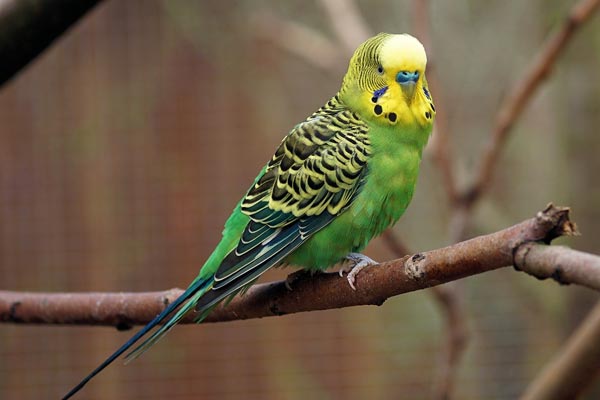
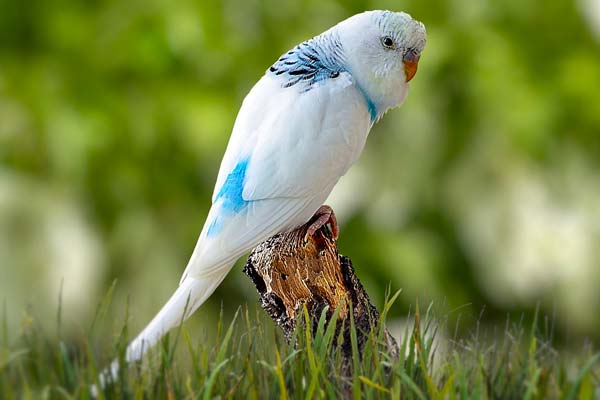
The type of tail a bird has can also provide clues about its behavior and lifestyle. For example, birds with long, streamlined tails, such as swallows and swifts, are typically fast and agile fliers that catch insects mid-air. Birds with short, round tails, such as robins and sparrows, are more adapted for perching and hopping along the ground.
Why Do Birds Have Tails? The Purpose and Function of Avian Tail Feathers
The Purposes of Birds’ Tails
Birds’ tails are essential to their anatomy, serving multiple purposes that aid their survival and reproduction. This section will explore the various functions of birds’ tails and their significance in avian biology.
The Importance of Birds’ Tails
Birds’ tails are crucial for maintaining balance during flight and landing. They also play a role in steering and maneuvering, allowing birds to navigate the air precisely. Additionally, tail feathers can be used as acoustic instruments, producing sounds for communication and territorial displays.
Structure and Function of Bird Tails
Birds’ tails consist of a series of feathers called rectrices arranged in a fan-like shape. The tail feathers are controlled by muscles at their base, allowing birds to adjust their position and direction during flight.
The length and shape of a bird’s tail are subject to variation, contingent upon the species and its requirements.
Flight Maneuvers and Tail Control
Birds use their tails to perform a variety of flight maneuvers, such as banking, diving, and hovering. They can adjust the angle and position of their tail feathers to control their speed and direction, making them highly maneuverable in the air.
Tails and Aerodynamics: Challenges and New Theories
The shape and size of a bird’s tail can significantly impact its aerodynamics. Recent research has revealed new theories about the role of tails in flight, including their influence on lift and drag.
Tail Display: Attracting Mates and Species Recognition
In many bird species, males use their tails as part of elaborate courtship displays to attract females. Tail feathers can also serve as a warning sign, displaying bright colors or distinctive markings that indicate danger or aggression.
Specialized Functions: Balancing and Vertical Foraging
Some bird species use their tails for specialized functions, such as balancing on narrow perches or foraging for food in vertical positions. The shape and size of their tails are adapted to these specific needs, making them highly efficient at these tasks.
Tails as Acoustic Instruments: Whistling and Bird Calls
Many bird species use their tails as acoustic instruments, producing sounds for communication and territorial displays. The shape and position of their tail feathers can influence the tone and volume of these sounds, making them an essential part of avian vocalization.
The Multifaceted Role of Bird Tails
In conclusion, birds’ tails serve many functions essential to their survival and reproduction. From flight control and balance to courtship displays and acoustic communication, birds’ tail feathers are a remarkable example of the versatility and adaptability of avian biology.
Frequently Asked Questions (FAQ)
Do All Birds Have Tails?
Yes, all birds have tails. However, the length and shape of the tail vary between species. Some birds have long, tapered tails, while others have short, square tails.
What Is The Purpose of Birds’ Tails?
Birds’ tails serve several purposes, including balance, steering, and braking during flight. The tail feathers also play a role in courtship displays and bird communication.
Are All Birds’ Tails The Same?
No, birds’ tails vary in length, shape, and number of feathers. For example, a peacock’s tail is much longer and more elaborate than a sparrow’s.
Can Birds’ Tails Regrow If They Are Lost?
Yes, most birds can regrow their tail feathers if lost or damaged. However, it can take several months for the feathers to grow back.
Do Tails Help Soaring Birds In Their Flight?
Yes, tails play an essential role in the flight of soaring birds, such as hawks and eagles. These birds use their tails to adjust their speed and altitude while soaring.
How Are Birds’ Tails Designed To Push Against The Air?
Birds’ tails are designed to create lift and reduce drag while in flight. The shape of the tail feathers, as well as their arrangement, helps to push against the air and provide stability during flight.
Do Birds Use Their Tails For Anything Other Than Flight?
Yes, birds use their tails for various purposes, including balance while perching and as a rudder while swimming.
Do Birds Have To Wait Until Adulthood To Have Feathers On Their Tails?
No, birds begin growing feathers on their tails shortly after hatching. However, the length and shape of the feathers may change as the bird matures.
Have Birds’ Tails Evolved?
Yes, birds’ tails have evolved to adapt to their environment and lifestyle. For example, some birds have shorter tails to help them navigate through dense forests, while others have longer tails for display during courtship.
Conclusion
In conclusion, the bird’s tail is an evolutionary masterpiece that has allowed birds to fly with precision and efficiency. It comprises several bones, muscles, and feathers and is crucial to the bird’s overall aerodynamics. The tail allows birds to maintain stability and balance while generating lift and thrust, which is necessary for efficient cruising and high-speed flight.
Birds have tails for several reasons. The tail works together with the wings to help the bird from falling out of the sky, and the colorful tail feathers of male birds of paradise, turkeys, peacocks, and others help to attract females. Some birds use their tail as drag-reducing flap, which reduces induced drag and allows for more efficient flight.
The tail can also be a rudder, allowing birds to steer and maneuver while in flight. Long stiff feathers at the rear of a bird are ideally suited for this purpose. As it flies, these tails help the birds steer and maneuver, allowing them to get where they need to go while avoiding threats.