How to Tell if Axolotl Eggs Are Fertilized? Essential Tips for Breeders
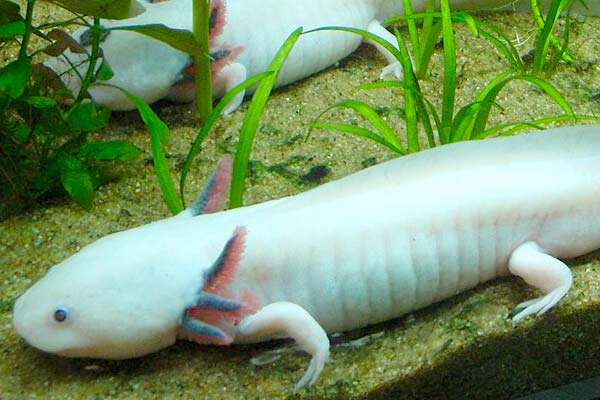
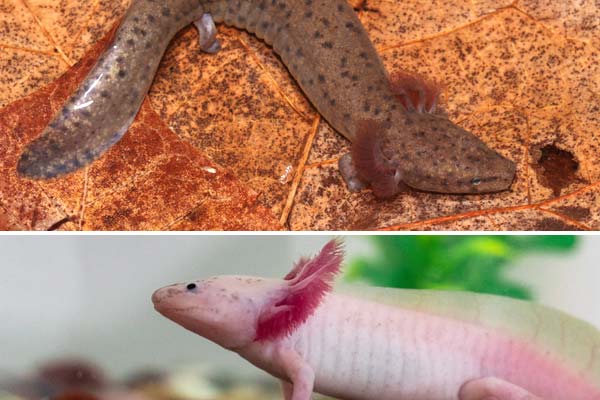
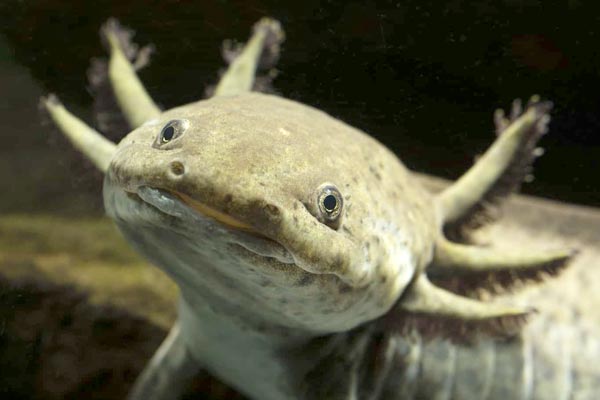
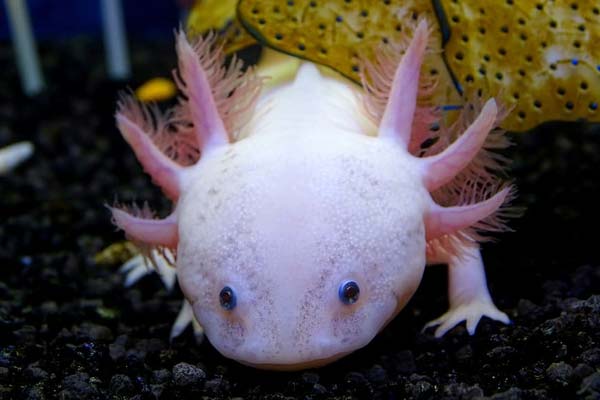
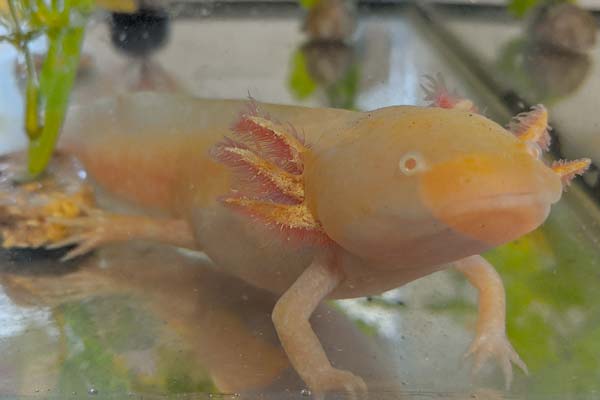
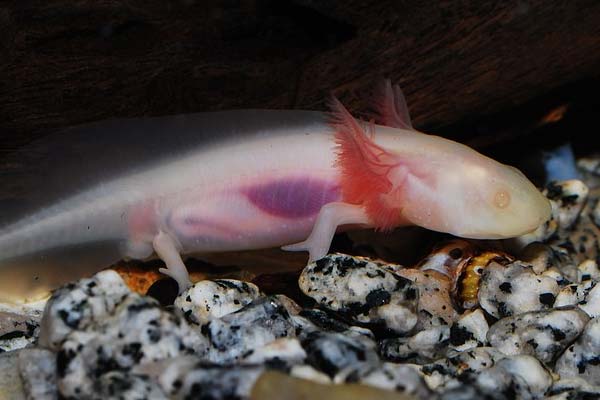
Axolotls are fascinating creatures that have become increasingly popular as pets. They are unique in that they can regenerate their limbs and are known for their distinctive appearance.
One of the most exciting aspects of axolotls is their reproductive process, which involves laying eggs. However, it can be difficult to tell if these eggs are fertilized, an essential consideration for anyone looking to breed axolotls.
There are several signs to look out for to tell if axolotl eggs are fertilized. These include clumping, which occurs when the outer membrane of the egg becomes sticky after fertilization.
Another sign is the presence of a solid black or white spherical inside the transparent casing of the egg, which indicates that it is fertilized and healthy. However, it can be challenging to separate good eggs from bad eggs, especially in the early stages of development.
Fortunately, several methods can be used to identify fertilized axolotl eggs. For example, the parent axolotl type can be a good indicator of whether or not an egg is fertilized.
If the parents are regular axolotls, black eggs are typically fertilized, while white eggs from albino axolotls are usually fertilized.
Additionally, it is crucial to carefully monitor the eggs and look for any signs of development, such as the formation of a visible embryo.
Understanding Axolotl Reproduction
Axolotls are amphibians that reproduce sexually through internal fertilization. Female axolotls release 400 to 1000 eggs during spawning, usually between March and June.
The eggs must be laid in water to ensure they do not dry out. The position of where the eggs will be laid depends on the axolotl’s preference. Still, plants in the aquarium are recommended, especially if you intend to breed the axolotls.
Separating good from bad eggs may be challenging when the eggs are laid. Regular axolotl eggs have a solid black or white spherical inside of their transparent casing, indicating they are fertilized and healthy. Fertilized eggs will be more significant, estimated to be about five times larger in diameter than unfertilized eggs.
Additionally, the color of the eggs is typically between black and white, with a protective jelly around them. For size estimation, unfertilized eggs are about 0.2 cm, and fertilized eggs are about 1.1 cm.
The eggs will start clumping together within a few hours if fertilized. This is because the outer membrane of the egg becomes sticky when fertilized. However, not all axolotl eggs will be fertile, and some may not develop properly.
Signs of Fertilization in Axolotl Eggs
Identifying fertilized axolotl eggs is essential for successful breeding. Axolotls are known to lay many eggs at once, and it can be challenging to differentiate between fertilized and unfertilized eggs. This section will discuss the visual and behavioral indicators of fertilized axolotl eggs.
Visual Indicators of Fertilized Axolotl Eggs
Fertilized axolotl eggs have several visual indicators that can help identify them. One of the most apparent signs is that they clump together within a few hours of being laid. This is because the outer membrane of the egg becomes sticky when fertilized.
Additionally, fertilized eggs are typically more significant, with an estimated 5x larger in diameter than unfertilized eggs. The color of fertilized eggs is also different, usually black or white with protective jelly around them. In contrast, unfertilized eggs are about 0.2 cm, and fertilized eggs are about 1.1 cm.
Dead axolotl eggs are cloudy due to bacteria growth and often sink to the bottom of the tank. Removing dead eggs to prevent them from polluting the water and harming other eggs is essential.
Behavioral Signs of Fertile Axolotl Eggs
Axolotls are known to eat their eggs, but this behavior is not always a sign of unfertilized eggs. Sometimes, axolotls eat their eggs due to stress or lack of food. However, if an axolotl continuously eats its eggs, it may indicate that the eggs are unfertilized.
Female axolotls can lay unfertilized eggs, but these eggs will not develop into viable embryos. Unfertilized eggs are usually smaller and have a different texture than fertilized eggs. Axolotls can lay unfertilized eggs due to stress or lack of a suitable mate.
Methods for Determining Fertilization
There are several methods for determining if axolotl eggs are fertilized. These methods include visual inspection, water testing, and candling.
The choice of breeding method depends on available resources and breeder preference, with each method having pros and cons.
Visual Inspection of Axolotl Eggs
Visual inspection is the most straightforward method for determining if axolotl eggs are fertilized. To visually inspect the eggs, the breeder should look for signs and characteristics of fertilized axolotl eggs.
These signs include clumping, a solid black or white spherical inside the transparent casing, and movement inside the egg.
Here is a step-by-step guide for visually examining axolotl eggs:
- Collect the axolotl eggs and place them in a separate container.
- Observe the eggs for signs of clumping, which indicates fertilization.
- Look for a solid black or white spherical inside the transparent casing, which indicates a fertilized and healthy egg.
- Check for movement inside the egg, which indicates that the egg is still alive and has a good chance of being fertilized.
Water Testing Method
The water testing method is another way to determine the viability of axolotl eggs. This method involves placing the eggs in a water container and observing their behavior. The water testing method helps identify eggs that are not viable due to poor water conditions.
Here is how to perform the water testing method:
- Fill a container with water and add the axolotl eggs.
- Observe the eggs for any signs of movement or hatching.
- Check the water conditions, including pH, temperature, and oxygen levels, to determine their suitability for egg development.
- Interpret the results based on the water conditions. If the water conditions are poor, the eggs may not be viable.
Candling Technique
The candling technique is a more advanced method for determining if axolotl eggs are fertilized. This method involves holding the egg to a bright light to see if there is movement inside it. The candling technique helps identify eggs that are not viable due to poor fertilization or development.
Here is an introduction to the candling method:
- Hold the egg to a bright light source, such as a flashlight or lamp.
- Observe the egg for any signs of movement or development.
- Check for a solid black or white spherical inside the transparent casing, which indicates a fertilized and healthy egg.
- Look for any abnormalities or deformities in the egg which may indicate poor fertilization or development.
Care and Considerations for Axolotl Eggs
Axolotl eggs require special care and attention to ensure their survival and healthy development. Here are some tips and considerations to keep in mind:
Maintaining Optimal Conditions for Egg Survival
For axolotl eggs to survive, they must prioritize their cleanliness and safety. Maintaining a stable water temperature between 18°C to 20°C is crucial. Regular water changes help ensure cleanliness and freshness. It is important to avoid abrupt temperature or water quality fluctuations, as these can harm the eggs.
Separating Eggs from Parents
Axolotl parents may accidentally eat their eggs, so separating them from the parents as soon as possible is essential. The eggs can be gently removed from the tank using a soft net or a turkey baster. It is vital to handle the eggs with care to avoid damaging them.
Axolotl Egg Hatching and Post-Hatching Care
Axolotl eggs usually hatch around 14 to 21 days, depending on the water temperature. Once the eggs hatch, moving the hatchlings to a separate tank is vital to avoid competition for food and space.
When feeding hatchlings, it is recommended to provide them with small live foods like brine shrimp or daphnia. However, it is vital to prevent overfeeding, as it can result in water quality issues.
Incubation Period and Hatching Time
The incubation period for axolotl eggs is around 14 to 21 days, depending on the water temperature. The eggs will start developing a small dark spot or ring around the center of the yolk if fertilized.
This is called the blastodisc and is the beginning of the embryo. Once the eggs hatch, the hatchlings must be moved to a separate tank.
Moving Fertilized Eggs from the Water
Fertilized axolotl eggs will start to clump together within a few hours of being laid. This is because the outer membrane of the egg becomes sticky when fertilized. It is important to gently move the fertilized eggs to a separate tank to avoid competition for food and space.
Feeding Hatchlings and Their Care
Axolotl hatchlings require small live foods like brine shrimp or daphnia, but overfeeding must be avoided to prevent water quality issues.
Creating a clean and safe environment is crucial for the well-being of hatchlings. It involves maintaining the water temperature within the range of 18°C to 20°C.
Additional Information and FAQs
Frequently Asked Questions Related to Axolotl Eggs
Q: How many eggs do axolotls lay?
A: Female axolotls can lay up to 1000 eggs in a clutch.
Q: How many axolotl eggs will survive?
A: The survival rate of axolotl eggs varies depending on water quality, temperature, and predation factors. On average, around 70% of fertilized eggs will hatch into viable hatchlings.
Q: How do you keep axolotl eggs alive?
A: To keep axolotl eggs alive, they must be separated from the parents and kept in optimal conditions. The water temperature should be maintained between 16-18°C, and the water should be kept clean and aerated.
Axolotl Life Cycle and Breeding Frequency
Axolotls typically reach maturity at approximately 18 months and can breed throughout their adult lives. The breeding process involves the female laying eggs, which the male fertilizes through spermatophores. The eggs eventually hatch into larvae and undergo development until they reach adulthood as axolotls.
Factors Influencing Egg Fertility and Survival
Several factors can influence the fertility and survival of axolotl eggs. These include:
- Water quality: When the water quality is poor, it can cause the eggs to die and lead to low survival rates.
- Temperature: The correct temperature is crucial for the fertilization and hatching process.
- Predation: Axolotl eggs are vulnerable to predation from other animals, such as fish and insects.
- Genetics: Some axolotls may have genetic defects that affect their fertility and the viability of their eggs.
It’s essential to monitor axolotl eggs closely during the hatching process. Good eggs will clump together and develop a firm, opaque, and translucent casing.
Dead eggs will turn white and opaque and should be disposed of to prevent contamination. Hatching can take anywhere from 10-14 days, and the hatchlings should be moved to a separate tank once they are free-swimming.
Conclusion
In conclusion, there are several ways to tell if axolotl eggs are fertilized. One of the most reliable methods is to look for clumping, as fertilized eggs tend to stick together. Additionally, fertilized eggs are often larger and have a solid black or white spherical inside their transparent casing.
It is important to note that separating good from bad eggs can be challenging, especially in the early stages of development. However, with careful observation and proper care, it is possible to increase the chances of successfully hatching fertilized axolotl eggs.
Axolotl owners should also know the importance of providing the right conditions for their eggs to develop correctly. This includes maintaining appropriate water temperature, oxygen levels, and pH balance.
It is also recommended to provide a suitable substrate for the eggs to attach to, such as a plant, to help with gas exchange and improve hatching rates.