Can Axolotls Eat Boiled Eggs? The Truth About Their Safety and Nutritional Value!
Axolotls are fascinating creatures often kept as pets due to their unique appearance and behavior. As with any pet, providing them with a balanced and nutritious diet is crucial. One question that often arises is whether axolotls can eat boiled eggs.
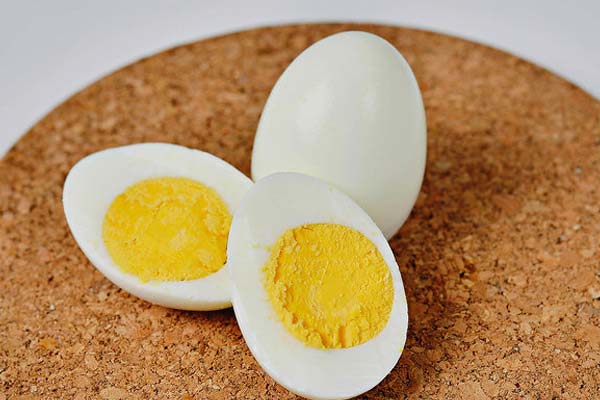
The answer is yes; axolotls can indeed eat boiled eggs. Eggs are like power-packed meals for axolotls! They contain protein and important nutrients that help axolotls grow and stay healthy. It is particularly beneficial to feed boiled eggs to baby axolotls, as the egg yolk is packed with nutrients that can aid their growth and development.
However, it is essential to note that axolotls should not be fed scrambled eggs, as the texture can be difficult to digest. Boiled eggs, on the other hand, are a great option and can be fed to both baby and adult axolotls.
As with any new food, it is crucial to introduce eggs gradually into their diet and monitor their behavior and digestion.
Can Axolotls Eat Boiled Eggs?
Axolotls are carnivorous animals that require a diet rich in protein. While they primarily feed on live foods like worms and insects, they can also eat other protein sources, such as boiled eggs.
Benefits of Feeding Boiled Egg Yolk to Baby Axolotls
Boiled egg yolk is a highly nutritious food source that can benefit baby axolotls in several ways. Here are some of the benefits of feeding boiled egg yolk to baby axolotls:
- Increasing growth: Boiled egg yolk is rich in protein, essential for the growth and development of axolotls. Feeding boiled egg yolk to baby axolotls can help them grow bigger and healthier.
- Easy digestion: Boiled egg yolk is easy for axolotls to digest, making it an ideal food source for baby axolotls that are still developing their digestive systems.
- Preferred option: Many axolotl breeders recommend feeding boiled egg yolk to baby axolotls because it is a preferred food source for them.
- Boosting the immune system: Boiled egg yolk is also rich in nutrients such as vitamins A and D, which can help boost the immune system of baby axolotls.
How to Feed Boiled Eggs to Axolotls
If you want to feed boiled eggs to your axolotls, here are some tips to follow:
- Removing egg white: When feeding boiled eggs to axolotls, it is vital to remove the egg white as it can cause digestive issues for them.
- Using a separate container: Boiled eggs should be fed to axolotls in a separate container to prevent contamination of their tank.
- Gently stirring water: Before feeding boiled eggs to axolotls, gently stir the water to create a current to help distribute the food evenly.
- Cleaning axolotls’ tank: After feeding boiled eggs to axolotls, it is essential to clean their tank to prevent any bacterial growth.
Frequency of Feeding Boiled Eggs to Axolotls
Boiled eggs should not be the only food source for axolotls. They should be fed various live foods and protein sources, including boiled eggs. Baby axolotls can be fed boiled egg yolk once or twice a week, while adult axolotls can be fed boiled eggs once a month.
Impact of Boiled Eggs on Axolotls’ Growth
Feeding boiled eggs to axolotls can positively impact their growth and development. However, it is vital to ensure that boiled eggs are not the only food source for axolotls, as they require a varied diet to stay healthy.
Feeding Boiled Eggs to Adult Axolotls
While boiled eggs are a nutritious source for axolotls, they should not be the only food source for adult axolotls. Adult axolotls require a varied diet that includes live foods and protein sources. Boiled eggs can be fed to adult axolotls once a month to supplement their diet.
Axolotl Diet and Nutritional Needs
Axolotls are carnivorous animals, and they require a diet that is high in protein. They feed on various live foods in the wild, such as insects, crustaceans, and larva-type animals. They also eat fish and other meat-based foods.
To ensure optimal health, it is crucial to provide axolotls with a balanced diet that meets their nutritional needs. A well-rounded diet should include a variety of live foods, as well as meat-based and vegetable-based foods.
Axolotls require a diet high in protein to support their growth and development. Baby axolotls, in particular, require a nutrient-rich diet to support their rapid growth. Boiled eggs make a nutritious protein source suitable for feeding baby axolotls.
However, it is vital to ensure that the eggs are boiled and not raw, as raw eggs can cause impaction and digestive issues.
In addition to protein, axolotls require other vital nutrients, such as calcium, to support bone and muscle development. Calcium can be provided through calcium supplements or by feeding axolotls foods high in calcium, such as earthworms.
Feeding axolotls various live foods is crucial for meeting their nutritional needs. Excellent sources of nutrition, such as daphnia and brine shrimp, can be fed to axolotls regularly.
Feeding axolotls a balanced diet is essential for their overall health and well-being. A nutrient-rich diet will help support their immune system and prevent disease. It will also help to ensure that they grow to their full size and develop properly.
Feeding Axolotls
Axolotls are carnivorous creatures and require a protein-rich diet to maintain their health. Feeding them the right food in the correct quantity is crucial for their growth and development. Here are some general guidelines to follow while feeding axolotls:
- Feed them small meals throughout the day instead of one large meal.
- It’s important to be mindful of overfeeding axolotls, which can result in obesity and other potential health problems.
- Keep the water clean and free from any debris or uneaten food.
- Do not feed them wild-caught insects or other animals, as they may carry diseases or parasites.
When it comes to feeding axolotls, there are several food options available. Some of the recommended food options include:
- Earthworms (nightcrawlers)
- Black/white worms
- Live daphnia
- Live brine shrimp
- Freeze-dried or frozen foods (e.g., bloodworms, brine shrimp)
- Salmon pellets
Avoid feeding your axolotls food that is high in fat or salt content. Also, trim any fat from the meat before feeding it to them.
Addressing Specific Questions Related to the Axolotl Diet:
Can Axolotls Eat Maggots, Nightcrawlers, Slugs, Fish, Mealworms, or Hornworms?
Axolotls can eat maggots, nightcrawlers, fish, and mealworms. However, they should not be fed slugs or hornworms as they are difficult to digest and can cause health issues.
Can Axolotls Eat Eggs?
Axolotls can eat boiled eggs, especially baby axolotls, which require a nutrient-rich diet for proper growth and development.
What Should You Not Feed Axolotls?
Avoid feeding axolotls food that is high in fat or salt content. Also, do not feed them wild-caught insects or other animals, as they may carry diseases or parasites.
What Do Axolotls Like to Eat the Most?
Axolotls enjoy eating meaty foods like earthworms, black/white worms, and live daphnia. They also like salmon pellets and frozen or freeze-dried foods like bloodworms and brine shrimp.
Conclusion
In conclusion, axolotls can eat boiled eggs, and it is safe to do so. They provide essential protein and nutrients for their growth and development.
Boiled eggs are especially recommended for baby axolotls, as the egg yolk is rich in nutrients. However, adult axolotls can also benefit from boiled eggs as a dietary supplement.
It’s important to remember that boiled eggs should not be the sole food source for axolotls. They are carnivorous animals and require a varied diet, including live or frozen food like worms, shrimp, and fish.
Additionally, breeding axolotls requires careful management since they eat their eggs and fry.