Can Hamsters Eat Pasta? Is it Safe for Your Furry Friend?
Hamsters are adorable, small pets that bring joy to many owners. To ensure their well-being, a balanced diet that fulfills their nutritional requirements is crucial.
Can hamsters eat pasta? Yes, hamsters can eat pasta. However, it is essential to note that pasta should only be given to hamsters in moderation as a treat. Pasta is loaded with carbohydrates and has no nutritional value, so it should be fine in their diet.
Additionally, it is crucial to prepare the pasta properly and avoid adding any sauces or seasonings that could harm your hamster’s health.
Can Hamsters Eat Pasta?
Hamsters are known for their love of food and curiosity about new things. One question often arises among hamster owners is whether hamsters can eat pasta. The answer is yes, hamsters can eat pasta, but only in moderation.
Yes, Hamsters Can Eat Pasta in Moderation
Hamsters can safely consume small amounts of cooked pasta as an occasional treat. However, it is essential to choose the right type of pasta and prepare it properly to avoid any health risks. Giving hamsters no more than a tiny nibble of pasta is recommended once or twice a week.
Nutritional Value of Pasta for Hamsters
Pasta is a high-carbohydrate food that can provide energy to hamsters. However, it is not a significant source of other essential nutrients hamsters need, such as protein and fiber. Therefore, it is crucial to offer pasta as a treat rather than as a staple food in their diet.
Different Types of Pasta and Their Implications for Hamsters
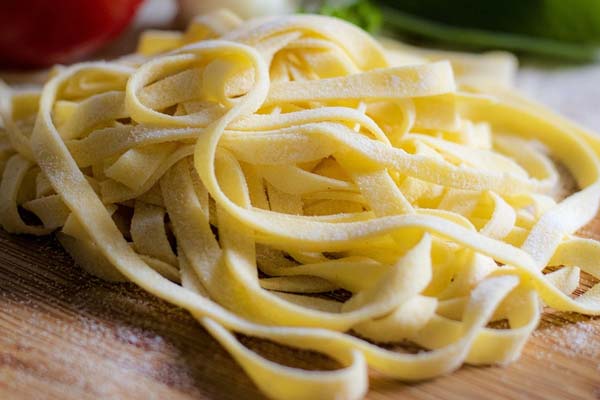
When feeding pasta to hamsters, choosing plain pasta without any added sauces or seasonings is crucial. Avoid giving hamsters pasta with butter or salt, as these ingredients can harm their health. Additionally, raw pasta can be difficult for hamsters to digest, so cooking it thoroughly before feeding it to them is recommended.
Hamsters require a balanced diet comprising various foods to meet their nutritional needs, as advised by veterinarians. While pasta can be an enjoyable treat for hamsters, it should not make up a substantial portion of their diet.
Guidelines for Feeding Pasta to Hamsters
Hamsters can eat pasta as an occasional treat, but it is essential to follow some guidelines to ensure their health and well-being. Here are some recommendations for feeding pasta to hamsters:
Recommended Quantity and Frequency of Feeding Pasta to Hamsters
Hamsters should only be given a small amount of pasta as an occasional treat and not a regular part of their diet. Overfeeding your hamster with pasta can lead to obesity and other health problems.
A good rule of thumb is to limit the amount of pasta to a tablespoon per serving and give it to your hamster no more than once or twice a week.
Preparation and Serving Guidelines, Emphasizing Cooked and Unseasoned Pasta
When feeding pasta to your hamster, it is essential to cook it first. Uncooked pasta can be challenging for hamsters to digest and cause digestive problems.
Boiling the pasta is the best method for cooking it, and it should be served plain, without any added sauces or seasonings. Salt, sugar, and other additives can harm your hamster’s health.
Potential Risks and Precautions, Such as Monitoring Hamster’s Health and Behavior
While pasta can be a safe treat for hamsters, there are some potential risks and precautions to remember. Monitoring your hamster’s health and behavior after feeding them pasta is crucial to ensure they are not experiencing any adverse effects.
If your hamster shows signs of digestive problems, such as diarrhea or constipation, or if they are lethargic or show a lack of interest in food, it may be best to avoid feeding them pasta in the future.
Impacts of Pasta on Hamsters
Hamsters are omnivores and can eat various foods, including fruits, vegetables, and grains. Pasta is one of the grains hamsters can eat, but it should be given in moderation. Here are some factors to consider when feeding pasta to hamsters:
Address Hamsters’ Preference for Pasta and Potential Benefits
Hamsters love pasta, which can be a great energy source for them. Pasta is a carbohydrate-rich food that can give hamsters the energy they need to run on their wheels and play in their cages. Additionally, pasta contains a small amount of protein and fiber that can contribute to a balanced diet for hamsters.
Discuss the Risks of Feeding Too Much Pasta to Hamsters and Its Impact on Their Health
Feeding hamsters excessive amounts of pasta can result in health issues like weight gain, diabetes, and obesity. Pasta is rich in carbohydrates, and overconsumption can lead to weight gain. This, in turn, can contribute to diabetes and obesity over time. Moreover, hamsters may become dehydrated if they fail to consume sufficient water alongside their pasta intake.
Address Specific Hamster Breeds and Their Ability to Eat Pasta
Different hamster breeds have different dietary needs; some may be more sensitive to pasta than others. For example, Syrian hamsters are larger and more active than dwarf hamsters and may be able to handle more pasta in their diet. However, monitoring all hamsters’ pasta intake and other high-carbohydrate foods is essential to prevent health problems.
Alternative Food Options for Hamsters
While hamsters may enjoy pasta as a snack, it should not be their sole source of nutrition. A well-rounded diet is vital for their overall health and longevity. Here are some alternative food options that hamsters can safely consume:
Fruits and Vegetables
Fruits and vegetables provide hamsters with essential vitamins, minerals, and fiber, making them excellent dietary choices. Some suitable options include:
It is important to note that fruits should be given in moderation due to their high sugar content. Additionally, vegetables should be washed thoroughly before feeding to remove pesticides or dirt.
Protein Sources
Hamsters need protein to maintain their muscle mass and overall health. Some safe protein sources for hamsters include:
- Cooked chicken
- Nuts and seeds (in moderation)
- High-quality hamster food
- Fresh vegetables
It is vital to avoid giving hamsters sugary or fatty meats and any human foods containing additives or seasoning.
Whole Grains
Whole grains, such as rice and quinoa, can provide hamsters with carbohydrates and essential nutrients. However, avoiding giving them pasta with sauce or flour containing gluten is vital. Some safe whole-grain options include:
- Whole wheat pasta
- Brown rice
- Quinoa
It is important to note that hamsters should not be given too many carbohydrates, which can lead to obesity and other health issues.
Variety is Key
When creating a meal plan for a pet hamster, it is crucial to provide a variety of foods to ensure they are getting all the necessary nutrients. A balanced diet should include fruits, vegetables, protein sources, and whole grains. Additionally, fresh fruits and vegetables should be provided as snacks or treats in moderation.
Frequently Asked Questions
Hamsters are curious creatures, and it’s not uncommon for their owners to question what they can and can’t eat. Here are some frequently asked questions about hamsters and pasta.
Can hamsters eat pasta?
Yes, hamsters can eat pasta, but it should only be given to them in small amounts. Cooked pasta is safe for hamsters to eat, but raw pasta can be difficult to digest and may cause digestive problems. Additionally, pasta that is high in salt or seasoning can be harmful to your hamster’s health.
What types of pasta can hamsters eat?
Hamsters can eat various pasta, including macaroni, spaghetti, penne, and whole wheat. However, it’s important to remember that pasta should only be an occasional treat and not a regular part of their diet.
Is pasta nutritious for hamsters?
Pasta lacks the essential nutrients hamsters need, so it should not be a staple. However, it does provide some fiber and carbohydrates, which can offer energy to hamsters. Maintaining a balanced diet for hamsters is crucial, including various fruits, vegetables, and dedicated hamster food.
How should pasta be cooked for hamsters?
Pasta should be boiled and cooked thoroughly before being given to hamsters. It’s essential to avoid adding any butter, seasoning, or sauce to the pasta, as these can harm your hamster’s health. Plain, cooked pasta is the safest option for hamsters.
Can hamsters eat quinoa?
Yes, hamsters can eat quinoa in small amounts. Quinoa is a good source of protein and essential nutrients, but it should not be a regular part of their diet. Monitoring your hamster’s quinoa intake is crucial, as it should be part of a balanced diet that includes a variety of other foods.
What other human foods can hamsters eat?
Hamsters can eat various fruits and vegetables, including carrots, cucumber, broccoli, apples, bananas, and grapes. Cooked chicken can also be given to hamsters as a treat. However, avoiding giving hamsters sugary or fatty foods is essential, as these can cause health problems such as obesity and diabetes.
Should baby hamsters be given pasta?
Baby hamsters should be given pasta once they are six months old. It’s essential to ensure that baby hamsters have a balanced diet with hamster food and fresh vegetables. Nuts and seeds can also be given to baby hamsters as a treat, but they should be chopped into small pieces to avoid choking.
Conclusion
In conclusion, hamsters can eat pasta, but moderation is key. Due to its high carbohydrate content, limiting pasta intake is crucial to prevent weight gain and other health issues.
When offering pasta to hamsters, opt for plain varieties without added salt, butter, or seasonings. Cooked pasta can be given as a small treat, while raw pasta should be easy for them to chew.
Additionally, not all pasta types are safe for hamsters. Stick to wheat or durum wheat pasta shapes, as other types may contain harmful ingredients.