Can Guinea Pigs Eat Persimmons? Discover the Benefits and Risks for Your Furry Friend
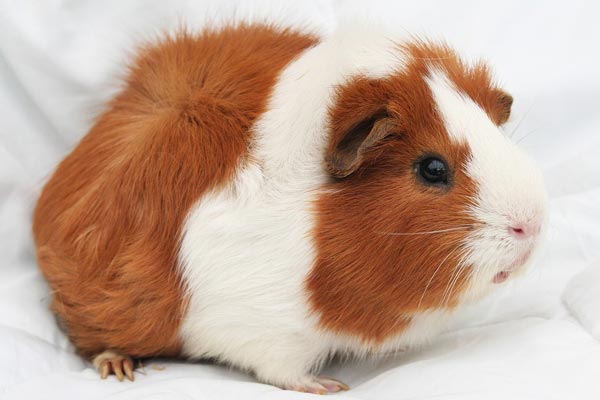
Guinea pigs are popular pets known for their adorable looks and friendly personalities. As a responsible pet owner, providing your guinea pig with a well-balanced diet that meets their nutritional needs is crucial.
While hay and pellets are the staples of a guinea pig’s diet, it’s natural to wonder about other foods you can offer your furry friend. One such food is persimmon.
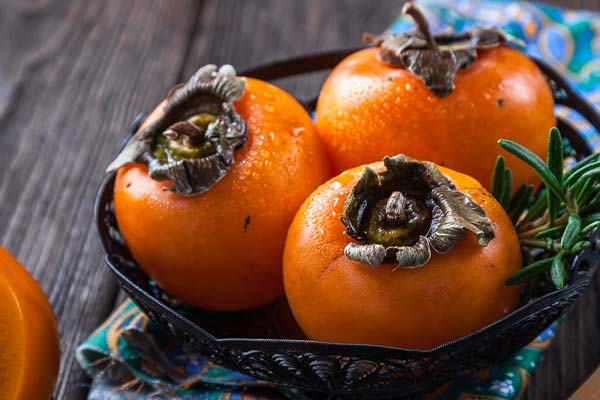
Persimmons are sweet and juicy fruits packed with nutrients like Vitamin C, fiber, and antioxidants. If you’re a guinea pig owner, you might be curious about the safety of feeding persimmons to your pet.
The answer is yes; While guinea pigs can enjoy persimmons, taking some precautions is essential. It’s vital to feed persimmons to guinea pigs in small quantities and remove any seeds before serving them this fruit.
A guinea pig’s diet is vital to its overall health and well-being. If their diet lacks essential nutrients, it can result in various health issues such as dental, digestive, and even mortality.
Ensuring your guinea pig’s diet is well-balanced and meets its nutritional needs is essential. While persimmons can be a healthy addition to your guinea pig’s diet, feeding them in moderation and alongside other healthy foods is essential.
Can Guinea Pigs Eat Persimmons?
Guinea pigs are herbivores and need a well-balanced diet to maintain their health. While they enjoy a range of fruits and vegetables, it’s important to note that not all options are safe.
One fruit that may catch your attention is the persimmon. But can guinea pigs eat persimmons?
Overview of Persimmons
Persimmons are a type of fruit that originated in Asia and have been cultivated for over 4,000 years. They come in two common varieties: the Japanese persimmon and the American persimmon. They are known for their sweet and tangy flavor and are loaded with nutrients that can benefit your guinea pig’s health.
Description and Characteristics of Persimmons
Persimmons are small, round fruits in various colors, including orange, yellow, and red. They have a firm outer skin and a soft, pulpy interior that contains seeds. Persimmons are in season from September to December.
Nutritional Value of Persimmons
Persimmons are packed with essential vitamins and minerals that can contribute to your guinea pig’s well-being. They are abundant in fiber, vitamin C, vitamin A, magnesium, and potassium, all of which can benefit their health.
Benefits of Guinea Pigs Eating Persimmons
Vitamin C
Persimmons are full of vitamin C, which is very important for guinea pigs. Vitamin C helps strengthen their immune system and keeps them from getting sick.
Antioxidants
Persimmons are loaded with antioxidants that can protect your guinea pig’s cells from damage caused by free radicals.
Vitamin A
Persimmons are also a good source of vitamin A, essential for maintaining healthy skin, eyesight, and immune function.
Magnesium
Persimmons contain magnesium, which has anti-inflammatory properties and can help to reduce blood pressure.
Potassium
Persimmons are high in potassium, which can help to regulate blood sugar levels in guinea pigs.
Side Effects of Guinea Pigs Eating Persimmons
High Calcium Content
Caution is advised when offering persimmons to your guinea pig due to their high calcium content. Excessive calcium intake can lead to health complications like bladder stones and digestive problems in guinea pigs. Providing persimmons in small quantities is recommended to ensure your pet’s well-being.
High Sugar Content
Persimmons contain a significant amount of sugar, and if your guinea pig consumes them excessively, it can lead to health problems like obesity. To ensure your pet’s well-being, monitoring their persimmon intake and offering them in moderation is essential. Doing so can help prevent potential health issues and maintain your guinea pig’s overall health.
Highly Acidic
Persimmons are highly acidic, which can cause digestive problems in guinea pigs if consumed in large quantities. Feeding persimmons in moderation and monitoring your guinea pig’s health for any signs of discomfort or illness is crucial.
Feeding Persimmons to Guinea Pigs
Guinea pigs can eat persimmons, but following specific guidelines is essential to ensure they receive the proper nutrition and avoid negative reactions.
How to Prepare Persimmons for Guinea Pigs
Before feeding persimmons to your guinea pig, it’s essential to prepare them properly. Here are some tips:
- Peeling and washing: Thoroughly wash the persimmon and peel off the skin. This helps remove any potential dirt or pesticides that might be present on the skin.
- Slicing or dicing: Cut the persimmon into small, bite-sized pieces that are easy for your guinea pig to eat. Ensure the pieces are manageable for them. Also, remember to remove any seeds before offering the fruit to your guinea pig.
Quantity Guidelines for Feeding Persimmons to Guinea Pigs
It’s vital to feed persimmons to your guinea pig in moderation. Here are some guidelines:
- Portion Control and Moderation: To ensure your guinea pig’s well-being, offering small portions of persimmon at a time is essential. The high sweetness of persimmons can result in stomach upset if consumed in large quantities, which is why it is important to exercise caution and offer them in moderation.
- Frequency of feeding persimmons: Feed persimmons to your guinea pig occasionally as a treat. It should not be a regular part of their diet.
Monitoring and Reactions
After feeding persimmons to your guinea pig, monitor them for any negative reactions. Here are some signs to look out for:
- Signs of Overconsumption or Negative Reactions: If your guinea pig consumes excessive persimmon, it may encounter symptoms such as diarrhea or stomach upset. It is crucial to observe your pet for any indications of discomfort or unusual behavior.
- What to do if your guinea pig overeats persimmon: If your guinea pig overeats persimmon, remove it from their diet immediately and monitor them for any signs of illness. If they show any signs of distress, contact your veterinarian.
By following these guidelines, you can safely provide persimmons to your guinea pig as an occasional treat. However, it is essential to consistently monitor your pet for any negative reactions and adjust their diet accordingly.
Do Guinea Pigs Like Persimmons?
Guinea pigs are known to have a sweet tooth, and persimmons are no exception. Some guinea pigs may enjoy the taste of this fruit, while others may not find it appealing. Observing your guinea pig’s preferences when introducing new foods to their diet is crucial.
When introducing persimmons to your guinea pig, it is recommended to start with a small piece and observe their reaction. If your guinea pig shows interest and enjoys the fruit, you can gradually increase the serving size. However, if your guinea pig shows no interest or dislikes towards persimmons, it is best to avoid feeding them this fruit.
It is important to note that persimmons should be given to guinea pigs in moderation, as they are high in sugar. Excessive consumption of persimmons can lead to digestive issues and obesity. It is recommended to limit persimmons to once or twice a week as a treat.
If your guinea pig does not enjoy persimmons, other safe and nutritious fruits can be included in their diet. Some alternatives to persimmons include apples, bananas, blueberries, strawberries, and watermelon.
Diversifying a guinea pig’s diet with various fruits and vegetables can provide them with essential vitamins and minerals for a balanced diet.
Persimmon Alternatives for Guinea Pigs
While persimmons are safe for guinea pigs to eat in small amounts, it is essential to diversify their diet with other safe and nutritious fruits. This will ensure that they receive a balanced diet and do not develop any nutrient deficiencies. Here are some alternatives to persimmons that guinea pigs can enjoy:
Other Safe and Nutritious Fruits for Guinea Pigs
- Apples: These can be given to guinea pigs in small amounts, without the seeds or core.
- Berries: Strawberries, blueberries, and raspberries are all safe for guinea pigs and can be given in moderation.
- Carrots: These can be given to guinea pigs as a treat but should not be their primary food source.
- Kiwi: This fruit is high in vitamin C and safe for guinea pigs to eat in moderation.
- Pears: These can be given to guinea pigs in small amounts, without the seeds or core.
- Peppers: Guinea pigs can safely enjoy red, yellow, and green peppers, which are excellent sources of vitamin C.
- Cucumbers are low in calories and safe for guinea pigs to eat in moderation.
- Bananas: These can be given to guinea pigs as a treat but should not be their primary food source.
Diversifying a Guinea Pig’s Diet
Diversifying a guinea pig’s diet is crucial to ensure they receive all the necessary nutrients. In addition to fruits, guinea pigs should also be given fresh vegetables, hay, and a small amount of pellets. Some safe vegetables for guinea pigs include spinach, kale, and carrots.
Considerations for a Balanced Diet
When providing food for guinea pigs, it is essential to consider their nutritional needs. Guinea pigs require a diet rich in fiber, containing moderate protein, and low-fat content.
They also require vitamin C, which can be found in fruits and vegetables. A balanced diet for guinea pigs should consist of the following:
- Hay: This should make up most of a guinea pig’s diet and always be available.
- Pellets: These should be given in small amounts, as they can be high in calories.
- Vegetables: These should be given in moderation and varied to ensure that guinea pigs receive all the necessary nutrients.
- Fruits: These should be given in small amounts, as they can be high in sugar.
Conclusion
In conclusion, guinea pigs can enjoy persimmons, but precautions must be taken. Due to their delicate digestive system, their diet should primarily consist of hay, vegetables, and pellets.
Persimmons can be given as a treat in small quantities, but remember to remove the seeds before serving. While persimmons provide essential vitamin C, they are also high in sugar, so it’s important to offer small portions to avoid health issues.
FAQs
Do Guinea Pigs Have Allergies to Persimmons?
While persimmons are generally safe for guinea pigs, some may have allergies to certain fruits. Signs of an allergic reaction to persimmons in guinea pigs may manifest as skin problems like rashes or hives or digestive issues such as diarrhea or vomiting.
If your guinea pig shows any signs of an allergic reaction after eating persimmons, it is best to avoid feeding them this fruit in the future.
Can Baby Guinea Pigs Eat Persimmon Fruit?
It is generally safe for baby guinea pigs to eat persimmon fruit in moderation. However, it is crucial to introduce new foods gradually and in small amounts to avoid upsetting their delicate digestive systems.
Additionally, removing the stem, seeds, and skin of persimmons before feeding them to your baby guinea pig is crucial, as these parts can be challenging to digest.
Can Guinea Pigs Eat Persimmon Skin, Leaves, Seeds, or Stem?
No, guinea pigs should not eat persimmon skin, leaves, seeds, or stems, as these parts of the fruit can be challenging to digest and may cause digestive problems. Permanently remove these parts before feeding persimmons to your guinea pig.
Can Guinea Pigs Eat Canned Persimmon, Persimmon Sauce, Frozen Persimmon, or Dried Persimmon?
Guinea pigs should not eat canned persimmon, sauce, frozen, or dried persimmon. These forms of persimmon may contain added sugars or preservatives that can harm guinea pigs. Always choose fresh, ripe persimmons as a treat for your guinea pig.
Can Guinea Pigs Drink Persimmon Juice?
No, guinea pigs should not drink persimmon juice. While persimmon juice may be safe for humans to drink, it is not recommended for guinea pigs, as it can upset their digestive systems and cause diarrhea.
What Are Other Fruits and Vegetables That Guinea Pigs Can Eat?
Guinea pigs can eat various fruits and vegetables as a balanced diet. Some safe options include apples, berries, carrots, strawberries, kiwi, pears, peppers, cucumbers, bananas, spinach, kale, blueberries, leafy greens, romaine lettuce, broccoli, and tomatoes. Gradually avoid upsetting their digestive system when introducing new foods into your guinea pig’s diet.