Bird Symbolism: Understanding the Meaning Behind Our Feathered Friends
Bird symbolism is a profound and widespread aspect of human culture. Throughout history, birds have been associated with various meanings, representing freedom, wisdom, love, and more.
Symbolism related to birds can be found in art, literature, mythology, and religious beliefs across different civilizations. These fascinating connections have shaped our understanding of birds as spiritual messengers and powerful symbols in human life.
Humans revered and celebrated birds for their beauty, grace, and unique abilities. Different species of birds have been associated with specific symbolism and meanings, which can vary across cultures and periods.
For instance, the bald eagle symbolizes freedom and strength in the United States, while the albatross is associated with good luck and protection in many cultures.
Understanding the symbolism of birds can provide insights into human beliefs, values, aspirations, and the natural world around us.
Bird symbolism has also significantly influenced religious and spiritual practices throughout history. Many religions and belief systems view birds as spiritual messengers, carrying important messages from the divine or representing the human soul.
For instance, in Christianity, the dove symbolizes the Holy Spirit and peace, while in Hinduism, the peacock is associated with spiritual awakening and immortality.
Exploring the rich world of bird symbolism can deepen our appreciation for the natural world and the profound connections between humans and birds.
Bird Symbolism in Art, Literature, and Mythology
Birds have been a popular subject in art and literature for centuries, with their symbolic value often representing freedom, nobility, and resilience. Artists and writers have used birds as metaphors to convey various emotions and ideas.
For instance, the eagle, with its powerful wings and sharp vision, has long been a symbol of strength and freedom. In literature, the mockingbird represents innocence and purity, while the owl is associated with wisdom and knowledge.
In mythologies and folklore from various cultures, birds are often seen as messengers between the earthly and spiritual realms. For example, in Greek mythology, the goddess Athena is often depicted with an owl, symbolizing her wisdom and ability to see in the dark.
In Norse mythology, the raven is considered a divine bird representing Odin, the god of wisdom, war, and death. Similarly, in many Native American cultures, the eagle is a sacred bird that represents the connection between the physical and spiritual worlds.
Bird symbolism has also been used in stories and folklore to convey deeper meanings. For instance, the Phoenix, a mythical bird that rises from its ashes, symbolizes rebirth and renewal. The story of the Phoenix has been used in contemporary art and literature to represent the idea of starting anew after a difficult period.
In Egyptian art and mythology, birds were important symbols to convey ideas about the soul and the afterlife. The ba, a bird with a human head, was often depicted in writings and art as representing a person’s unique characteristics or soul.
Native American Bird Symbolism
Birds play an essential role in the spiritual beliefs of Native American cultures, with different bird species representing messengers of the spirits and bearers of wisdom. The eagle, in particular, holds a special place in Native American culture for its connection to the Great Spirit and its symbolic representation of strength and courage.
The hummingbird is another bird with significant symbolism in Native American culture. It represents joy and abundance and is often associated with living life to the fullest. On the other hand, the raven embodies transformation and mystery and is seen as a symbol of change and rebirth.
Other birds with significant symbolism in Native American culture include the crane and the hawk. The crane symbolizes longevity, good fortune, and peace, while the hawk is often associated with vision and clarity of thought.
Different tribes may have varying interpretations of bird symbolism, with some birds holding different meanings depending on the tribe.
However, the symbolic meanings of birds in Native American culture enrich the cultural heritage of Native American communities and provide insight into their spiritual beliefs.
Bird Symbolism in Religious and Spiritual Contexts
Birds have significant spiritual symbolism in various religious traditions. In Christianity, for example, the dove symbolizes peace and the Holy Spirit. The Bible mentions the bird as a symbol of peace and purity. The dove is also associated with the story of Noah’s Ark, where a dove was sent out to find dry land after the flood.
In Celtic beliefs, the raven is associated with prophecy and transformation. It was believed that the raven could see into the future and bring messages from the Otherworld. Similarly, in Norse mythology, Odin had two ravens named Huginn and Muninn, who would fly around the world and bring back information to him.
Other religions, like Hinduism and Buddhism, attribute symbolic meanings to specific birds like the peacock and crane. In Hinduism, the peacock symbolizes immortality and is associated with the god of thunder and rain. The crane is seen as a symbol of wisdom and is often depicted in Buddhist art.
Birds in dreams often carry symbolic messages from the divine or the subconscious mind. The interpretation of these dreams depends on the specific bird species and the context of the dream. For instance, an eagle may symbolize strength and freedom, while a canary could represent innocence and protection. Dreaming of birds invites us to explore the hidden meanings and insights they may hold for our lives.
Different Colored Birds and Their Symbolism
The colors of birds hold symbolic meanings in cultural contexts. Blackbirds are often associated with mystery and death, while bluebirds represent happiness and good fortune. Redbirds symbolize passion and vitality, and white birds are seen as symbols of purity and spirituality. These color associations add depth to the interpretations of various bird encounters in different cultures.
Blackbirds, such as crows and ravens, are often associated with death and the unknown. In many cultures, they are seen as messengers from the spirit world, and their presence can signify a spiritual awakening or a warning of impending danger. However, blackbirds can also be seen as symbols of transformation and rebirth, as they are often associated with the cycle of life and death.
White birds like doves and swans are often associated with purity, innocence, and spirituality. In many cultures, they are seen as messengers of peace and divine intervention. Their presence can signify a need for spiritual guidance or a reminder to stay true to one’s values and beliefs.
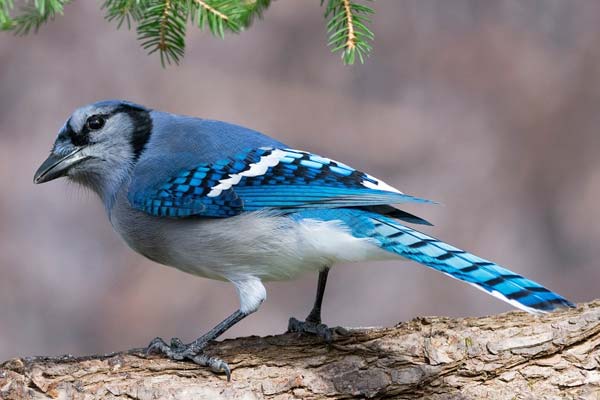
Bluebirds, such as blue jays and bluebirds, are often associated with happiness, good fortune, and hope. In many cultures, they symbolize joy and positivity, and their presence can signify a need for optimism and positivity in one’s life.
Redbirds, such as cardinals and finches, are often associated with passion, vitality, and energy. In many cultures, they are seen as symbols of love and romance, and their presence can signify a need for passion and excitement in one’s life.
Green birds, such as parrots and parakeets, are often associated with growth, renewal, and abundance. In many cultures, they are seen as symbols of prosperity and wealth, and their presence can signify a need for growth and abundance in one’s life.
Specific Bird Symbolism
Bird symbolism is a rich and complex field encompassing many meanings and interpretations. Different species of birds have their unique symbolism and meanings. In this section, we will explore the symbolism of some specific birds.
Albatross Symbolism
The albatross is a symbol of freedom and endurance. It is known for its ability to fly long distances without stopping, which makes it a symbol of endurance and perseverance. In some cultures, the albatross is a sign of good luck and protection.
Blue Jay Symbolism
The blue jay symbol communication, intelligence, and curiosity as a powerful symbol. Its unique and vibrant call is synonymous with effective communication and self-expression. Additionally, in certain Native American cultures, the blue jay is revered as a symbol of protection and guidance, further highlighting its significance in spiritual beliefs.
Cardinal Symbolism
The cardinal is a symbol of love, passion, and vitality. Its bright red color is often associated with the heart and emotions, making it a famous symbol of love and romance. In some cultures, the cardinal is also considered a symbol of good luck and prosperity.
Crane Symbolism
The crane is a symbol of grace, elegance, and longevity. It is known for its graceful movements and ability to live long, symbolizing longevity and wisdom. In some cultures, the crane is also considered a symbol of good luck and prosperity.
Eagle Symbolism
The eagle is a symbol of strength, courage, and freedom. Its powerful wings and sharp eyesight make it a famous symbol of strength and courage. In some cultures, the eagle is also considered a symbol of spiritual enlightenment and wisdom.
Heron Symbolism
The heron is a symbol of patience, tranquility, and balance. It is known for its ability to stand still for long periods, which makes it a symbol of patience and tranquility. In some cultures, the heron is also considered a symbol of balance and harmony.
Nightingale Symbolism
The nightingale is a symbol of love, beauty, and creativity. Its beautiful voice and melodic songs make it a famous symbol of love and beauty. In some cultures, the nightingale is also considered a symbol of creativity and inspiration.
Robin Symbolism
The robin is a symbol of new beginnings, renewal, and growth. Its appearance in the spring is often associated with the renewal of life and the start of a new season. In some cultures, the robin is also considered a symbol of good luck and happiness.
Sparrow Symbolism
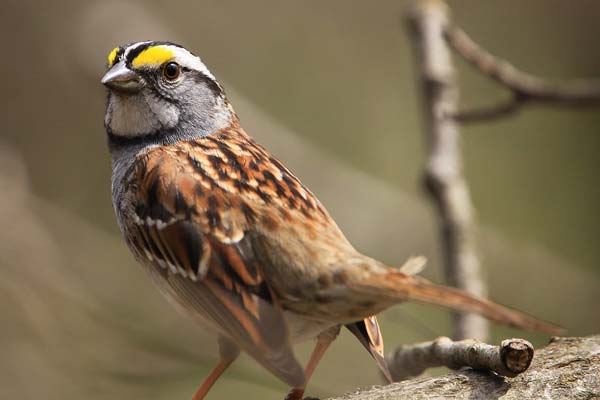
The sparrow is a symbol of simplicity, humility, and community. It is known for its small size and ability to live in large groups, symbolizing community and togetherness. In some cultures, the sparrow is also considered a symbol of simplicity and humility.
Woodpecker Symbolism
The woodpecker is a symbol of determination, focus, and perseverance. Its ability to peck through wood with its beak is often associated with determination and perseverance. In some cultures, the woodpecker is also considered a symbol of good luck and protection.
Birds as Symbols of Strength, Happiness, Love, and More
Birds have long been used as symbols of various attributes and emotions. They represent strength, embodying the ability to soar to great heights despite challenges.
The eagle, for example, is often seen as a symbol of strength and power due to its impressive wingspan and sharp talons. On the other hand, the falcon is known for its speed and agility, symbolizing quick thinking and adaptability.
Birds also symbolize happiness, joy, and celebration of life’s blessings. The macaw’s vibrant colors and the canary’s cheerful chirping are just a few examples of how birds bring joy into our lives.
With its stunning display of feathers, the peacock is often associated with beauty and grace, making it a symbol of elegance and refinement.
Love is often associated with birds, portraying their loyalty and devotion to their partners.
The swan, for instance, is known for its lifelong commitment to its mate. As their name suggests, the lovebirds are also famous for their affectionate behavior towards one another.
Birds symbolize freedom, hope, and peace, offering a sense of renewal and harmony. The dove, for example, is often associated with peace and tranquility, making it a famous symbol of hope and reconciliation. The Phoenix, with its ability to rise from the ashes, symbolizes renewal and rebirth.
In many cultures, birds are associated with wisdom, intelligence, and luck. The owl, with its keen eyesight and a sharp mind, is often seen as a symbol of wisdom and insight. The magpie’s reputation for collecting shiny objects symbolizes good luck and fortune.
Birds and Death Symbolism
In many cultures, birds are believed to symbolize death and the afterlife. Certain birds, such as crows and ravens, have been associated with omens and spirits of the deceased.
In contrast, others see birds as guides leading departed souls to the spiritual realm. These death-related bird symbols hold diverse interpretations, shaping beliefs and funeral customs in various societies.
Birds associated with death encompass a range of species, extending beyond specific types. The nightingale, depicted in Hans Christian Andersen’s tale “The Nightingale,” holds a connection to death as its song drives away illness for an ailing emperor.
Crows are prominent symbols linked to death, often representing wrongful demises or impending endings. Ravens and crows, both black birds, commonly signify death and mourning.
Other birds associated with death include vultures, roosters, owls, sparrows, blackbirds, buzzards, cuckoos, robins, and wrens.
It’s crucial to consider that the bird symbolizing death can vary across cultures, yet these avian representations are frequently utilized for their symbolic ties to mortality.
Birds are also associated with rebirth, change, and renewal, making them a common symbol in funerary art. The Phoenix, for example, is a mythical bird that is said to rise from its ashes, representing the cycle of life, death, and rebirth. In some cultures, it is believed that birds carry the souls of the deceased to the afterlife, making them a guide to the spiritual realm.
Birds in Dreams: Symbolic Interpretations
Encountering birds in dreams can carry symbolic meanings. Dreams involving birds often convey messages about personal growth, spirituality, or the need for freedom and change. The specific species of bird encountered in dreams can further contribute to the interpretation.
Birds soaring high may represent freedom and aspirations, while birds in cages could signify feeling trapped or limited. For instance, dreaming of a bird in a cage may indicate that the dreamer feels restricted or confined in their waking life. Similarly, a bird flying freely in the sky may suggest that the dreamer is experiencing a sense of liberation or spiritual transcendence.
The interpretation of bird dreams can vary depending on the type of bird, its color, and its actions. For example, dreaming of a hawk may symbolize ambition, while dreaming of an owl may represent wisdom and intuition. Dreaming of a peacock may signify vanity or pride, while a dream about a hummingbird may suggest a need for more joy and lightness.
Birds in dream interpretation can also represent one’s goals, dreams, aspirations, and hopes. Having a positive run-in with a bird in a dream is an uplifting event reaffirming the positive path one is walking. Dreams of birds can also serve as a reminder to pay attention to one’s intuition and inner voice.
Conclusion
Bird symbolism is a fascinating subject that has been explored by cultures worldwide throughout history. It encompasses a rich tapestry of cultural beliefs and personal interpretations that inspire awe and carry deep symbolic significance.
From ancient civilizations to modern societies, birds have inspired many aspects of human life, including culture, art, mythology, faith, and more. Exploring bird symbolism allows us to appreciate the diverse meanings attached to these winged creatures, providing insights into our collective human experience and the natural world’s mysteries.
Birds have many meanings: strength, happiness, love, death, dream, vision, insight, intuition, and success. Different cultures have attached different meanings to different birds based on their characteristics, behaviors, and appearances. For example, the eagle is often associated with strength and freedom, while the dove is often associated with love and peace.
Bird symbolism has also been used in art, literature, and other forms of creative expression. Many artists have used birds as subjects in their works, using them to convey ideas and emotions. For example, the Phoenix is often used to symbolize rebirth and renewal, while the owl is often used as a symbol of wisdom and knowledge.