Are Birds Warm or Cold-Blooded? The Definitive Answer
Birds are fascinating creatures known for their ability to regulate body temperature. Unlike cold-blooded reptiles, birds are warm-blooded, meaning they can maintain a constant internal temperature regardless of their surroundings.
This characteristic, endothermy, sets birds apart from most other animals. By generating body heat, birds can adapt to diverse environments, from freezing Arctic to sweltering deserts.
Studying how birds regulate temperature offers valuable insights into their behavior, physiology, and survival strategies, contributing to our understanding of animals’ adaptation to different habitats.
Birds: Warm-Blooded Nature and Advantages
Birds are warm-blooded animals, also known as endothermic creatures. This means that they are capable of regulating their body temperature internally. Unlike cold-blooded creatures, birds don’t rely on their surrounding environment to maintain their body temperature.
The warm-blooded nature of birds provides them with several advantages. One of the most significant benefits of being warm-blooded is birds’ high metabolic rate. This high metabolic rate allows birds to maintain their vitality and perform various activities, such as flying, foraging, and breeding.
Birds’ warm-blooded nature also allows them to adapt to diverse climates. They can maintain their body temperature even in extreme weather conditions, such as cold winters or hot summers. Adapting to diverse climates makes birds more resilient and better suited to survive in various environments.
Another advantage of being warm-blooded is enhanced mobility. Birds can fly, swim, and run with greater speed and agility because they can generate more heat and energy. This mobility allows them to escape predators, find food, and migrate to different regions.
Various factors facilitate birds’ warm-blooded nature, including feathers, body temperature, and metabolic rate. Feathers help birds insulate their bodies and regulate their body temperature.
Birds’ body temperature is generally higher than cold-blooded animals, allowing them to maintain their internal heat. Finally, birds’ high metabolic rate generates the heat and energy required to maintain their warm-blooded nature.
Evolutionary Journey: The Transition to Warm-Bloodedness in Birds
The evolution of warm-bloodedness in birds is a fascinating topic that has puzzled scientists for decades. The shift has been challenging, but recent studies have highlighted the process.
Birds are descendants of theropod dinosaurs, which were cold-blooded. However, the transition from cold to warm-bloodedness occurred during the evolution of maniraptoran dinosaurs, including birds. This shift is believed to have happened around 150 million years ago, during the Jurassic period.
The evolution of warm-bloodedness in birds occurred gradually over millions of years. Feathers played a crucial role in this transition by providing insulation, enabling birds to maintain a constant internal body temperature independent of their external environment.
Another critical factor contributing to the evolution of warm-bloodedness in birds was their high metabolic rate. Birds have a faster metabolism than reptiles, which allows them to generate more heat. Developing a four-chambered heart also allowed for more efficient oxygen transport throughout the body.
The shift to warm-bloodedness in birds was a significant evolutionary milestone that allowed them to thrive in various environments. It is believed that this adaptation played a crucial role in the success of birds, which are now one of the most diverse groups of animals on the planet.
Temperature Regulation in Birds: Coping with Environmental Extremes
Birds are warm-blooded animals with a constant internal body temperature of 41 to 43 degrees Celsius. To keep their body temperature within this range, birds have evolved various mechanisms to cope with environmental extremes.
Coping with Heat: Mechanisms to Prevent Overheating
When the temperature rises, birds use several strategies to prevent overheating. One of the most efficient cooling mechanisms is panting. Birds can dissipate excess heat through respiration by rapidly exchanging air in their respiratory system. Additionally, birds can embrace water to cool down through evaporative cooling, which involves wetting their feathers and allowing the water to evaporate.
Tackling the Cold: Strategies for Maintaining Optimal Body Temperature
Birds have developed several strategies to maintain their optimal body temperature in cold conditions. Various species adopt different strategies to cope with the winter season. Some migrate to warmer regions, while others conserve energy by entering a state called torpor, which involves reduced metabolic activity.
Social behaviors like huddling and roosting also help birds maintain their body heat. Fluffing feathers and reducing surface area helps to trap heat close to the body. Birds also shiver and use regulated hypothermia to generate heat.
Insulation and Feet Protection: Adaptations for Cold Conditions
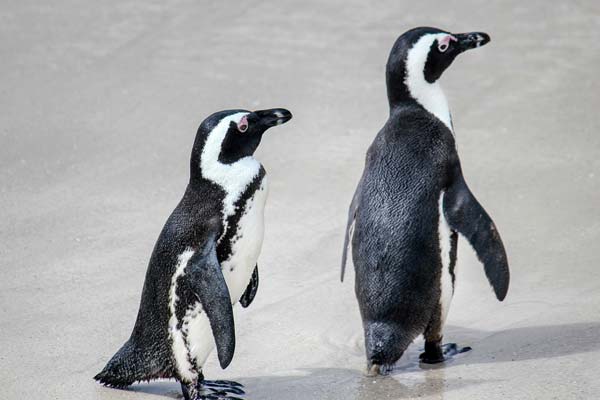
Birds have downy feathers that provide excellent insulation, trapping air close to the body and reducing heat loss. Some birds also have specialized feathers that aid insulation, such as those found on penguins.
Birds also protect their feet from the cold with specialized adaptations. For example, some birds have scales on their feet that reduce heat loss, while others have countercurrent heat exchange systems in their legs that keep their feet warm.
Assisting Birds in Winter: Tips for Supporting Their Well-Being
During winter, birds face various challenges, including cold conditions, food scarcity, and lack of shelter. Fortunately, several ways exist to assist birds in winter and support their well-being. This section will discuss some tips for providing shelter and proper nutrition to birds during winter.
Providing Shelter: The Role of Birdhouses
Birdhouses can provide bird shelter during winter, especially for those not migrating. Chickadees, for instance, can benefit from birdhouses as they huddle together at night to conserve heat. Birdhouses should have ventilation holes to prevent moisture buildup and should be made of durable materials like wood or metal.
Bird Feeders: Nurturing Birds with Proper Nutrition
Bird feeders can provide birds with the necessary nutrition to survive winter. Suet feeders are ideal for birds that require high energy, such as woodpeckers and nuthatches.
Fluffing feathers is a way for birds to conserve energy and stay warm, and suet provides them with the necessary energy. Mixed seeds and safflower are also good options for bird feeders. Hopper feeders are ideal for these types of seeds.
It is important to note that bird feeders should be placed in an area that is not exposed to direct sunlight and is likely to stay dry. Additionally, bird baths should be placed where plant debris and animal poop will not easily fall inside and should be cleaned regularly to prevent the spread of disease.
Other Tips for Supporting Birds in Winter
Aside from providing shelter and proper nutrition, there are other ways to support birds in winter. For instance, foliage can shelter birds from harsh winds and snow.
Additionally, birds may go into torpor, a state of reduced metabolic activity, to conserve energy during winter. Huddling together is another way birds conserve heat during winter.
Frequently Asked Questions
Birds are fascinating creatures that have adapted to a wide range of environments. However, people still have many questions about the physiology of birds and how they cope with different temperatures. Here are some frequently asked questions about birds and their body temperature:
Defining Warm-Blooded Animals
Q: What does it mean for an animal to be warm-blooded?
A: Warm-blooded animals, also known as endothermic animals, can regulate their body temperature internally. Warm-blooded animals, such as mammals, birds, and certain fish, can maintain a stable body temperature irrespective of their surroundings.
Sensitivity of Birds to Cold
Q: Can birds feel cold?
A: Yes, birds can feel cold. However, they have adapted to cope with different temperatures in various ways. For example, some birds have feathers that provide insulation, while others have a higher metabolic rate, producing more heat.
Q: How do birds cope with cold temperatures?
A: Birds employ various strategies to cope with cold temperatures. Some species migrate to warmer climates during winter, while others adapt to colder temperatures in their breeding grounds. Birds in colder climates have developed adaptations like growing thicker feathers, shivering to generate heat, and huddling together for warmth.
Can Birds Freeze to Death?
Q: Can birds freeze to death?
A: Yes, birds can freeze to death if they are exposed to freezing temperatures for a prolonged period. However, most birds have adapted to cold temperatures and can survive in sub-zero temperatures.
For example, some birds have a lower freezing point for their bodily fluids. In contrast, others have developed the ability to enter a state of inactivity, which reduces their metabolic rate and conserves energy.
Q: How do birds prevent themselves from freezing to death?
A: Through hypothalamic metabolic reactions, birds prevent themselves from freezing to death by maintaining a constant body temperature. They also have adaptations that help them cope with cold temperatures, such as growing thicker feathers, shivering to produce heat, and huddling together for warmth.
Additionally, some birds have developed the ability to enter a state of inactivity, which reduces their metabolic rate and conserves energy.
Conclusion
In conclusion, birds are warm-blooded creatures that can maintain a constant body temperature independently of the external climate or weather conditions. They generate body heat internally, enabling them to survive in cold weather and defend their territory.
Unlike cold-blooded animals, birds don’t rely on external heat sources to regulate their body temperature. Being endothermic, they can sustain a stable internal body temperature through various mechanisms, including adjusting their metabolic rates.
Endothermy, or warm-bloodedness, represents a significant evolutionary trait for birds and mammals. This adaptation allows them to cool down their bodies in warmer environments and stay warm in colder habitats.