Best Sand for Axolotl Tank: Top Sand Substrates for Your Beloved Pets!
Creating the perfect environment for Axolotls can be daunting, especially when choosing the suitable substrate for their tank. While many options are available, sand is often touted as the best substrate for axolotl tanks.
Sand is generally safer for axolotls than gravel because it reduces the risk of ingestion and impaction. However, it’s essential to be cautious about the type of sand you choose for your axolotl’s environment. The correct sand product can positively impact your axolotl’s health and well-being.
Understanding the Needs of Axolotls
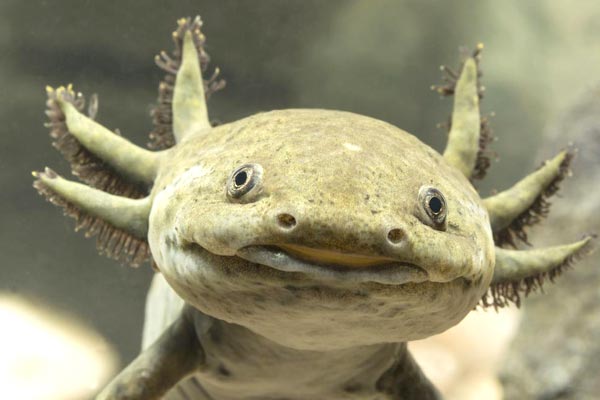
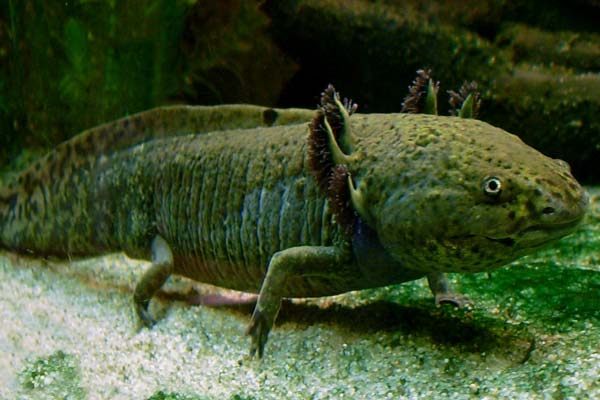
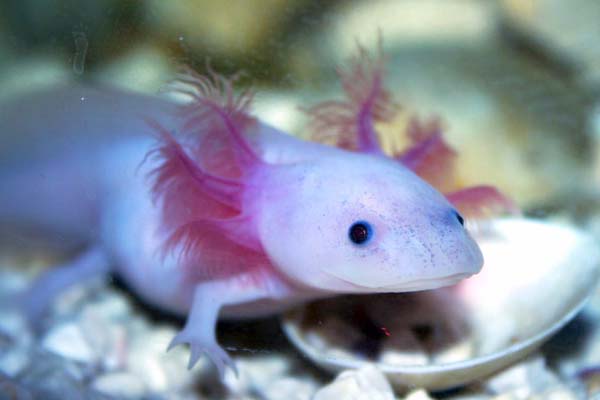
Axolotls are a unique type of salamander that require specific conditions to thrive in captivity. Aquatic creatures need an environment closely mimicking their natural habitat to stay healthy and stress-free.
Natural Habitat and Specific Requirements
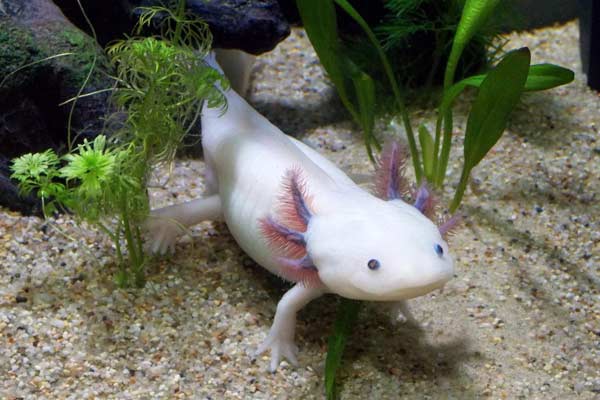
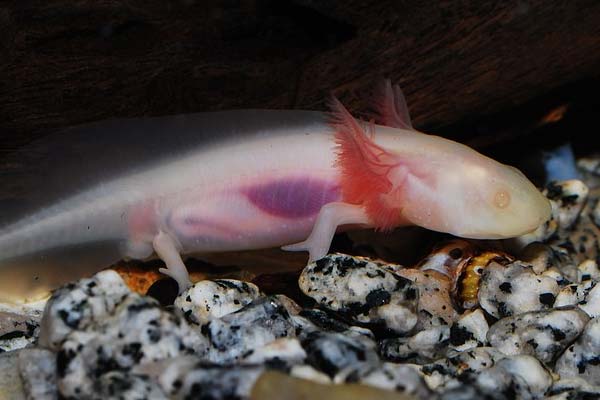
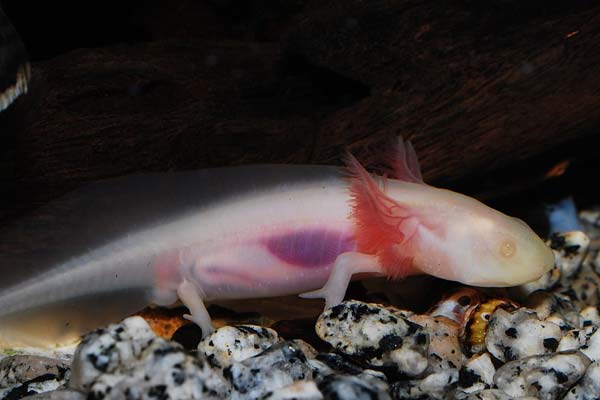
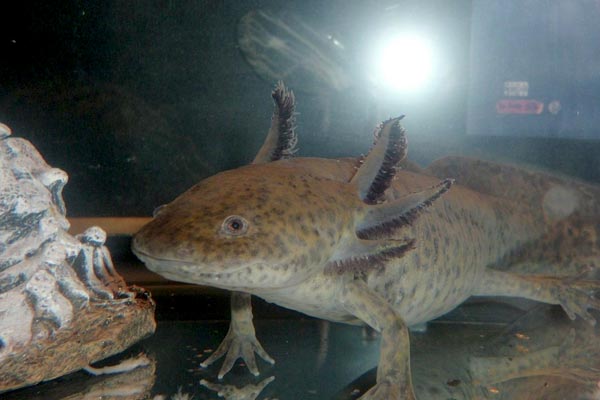
Axolotls are native to the lakes and canals of Mexico City, where they typically live in shallow waters with sandy or muddy bottoms. They are also known as Mexican walking fish, although they are not fish but amphibians. They feed on wild small fish, insects, and other invertebrates.
In captivity, axolotls require a tank that is at least 20 gallons in size, with a water temperature between 60-68°F. They are also sensitive to water quality changes, so monitoring and maintaining the water parameters regularly is essential.
Benefits of Using Sand as Substrate
Sand is often recommended as the best substrate for axolotl tanks. Unlike gravel, sand cannot be swallowed and cause impaction, making it a safer option for these delicate creatures. Sand also provides a natural environment for axolotls to burrow and forage, which can help reduce stress and promote natural behaviors.
Importance of Choosing the Best Sand
Not all sand products are created equal, and choosing a safe and suitable substrate for axolotls is crucial. Fine-grained sand is recommended, as larger particles can irritate the axolotl’s delicate skin. It is also essential to avoid sand that contains sharp or jagged edges, as this can cause injury to the axolotl.
Characteristics of the Best Sand for Axolotl Tank
Several essential characteristics must be considered when choosing the best sand for an axolotl tank. The ideal sand should be soft and smooth to ensure the axolotl’s safety while being easy to clean and maintain. This section will explore the different characteristics of the best sand for axolotl tanks.
Texture and Grain Size
The texture and grain size are crucial when choosing sand for an axolotl tank. Opting for the right sand with appropriate properties can enhance your axolotl’s well-being and safety in their habitat.
The ideal texture of sand should be soft and smooth to prevent any harm to the axolotl’s delicate skin. The grain size should also be chosen carefully to avoid ingestion and impaction issues. Fine-grained sand is recommended as it is less likely to be ingested by the axolotl.
Non-Toxicity and Chemical Composition
It is essential to choose non-toxic sand to ensure the safety of the axolotl. Sand with high mineral content or chemical additives can be harmful and should be avoided. Opting for sand specifically designed for aquarium use is recommended to ensure its safety.
pH Neutrality and Buffering Capacity
Maintaining stable water chemistry is crucial for the health of axolotls. The sand substrate should have a neutral pH level to prevent any fluctuations in the tank. Additionally, sand with a high buffering capacity can help avoid pH fluctuations in the tank.
Ease of Cleaning and Maintenance
Choosing sand for an axolotl tank that is easy to clean and doesn’t trap waste is crucial for maintaining good water quality. This promotes a cleaner environment and reduces the need for frequent tank cleanings, benefiting the overall health of the axolotl.
Recommended Types of Sand for Axolotl Tank
Several options are available when choosing the best sand for an axolotl tank. The following are some of the recommended types of sand for axolotl tanks, along with their key features and benefits:
CaribSea Super Naturals Crystal River – Best Overall
CaribSea Super Naturals Crystal River is the best overall substrate for axolotl tanks. This freshwater sand is pH neutral and safe for all aquariums. It creates a natural environment for your axolotls and promotes the growth of beneficial bacteria. The sand is also fine-grained, reducing detritus buildup and making it easy to clean.
Quikrete Play Sand – Best Value
Quikrete Play Sand is an affordable option for those looking for a budget-friendly substrate for their axolotl tank. This sand is made of finely-grained silica and is safe for aquarium use. It is easy to clean and maintain and provides a natural-looking habitat for your axolotls. However, it is essential to note that this sand may require more frequent cleaning than other options.
Natural Slate Rock – Premium Choice
Natural Slate Rock is a premium substrate choice for axolotl tanks. It offers a distinctive aesthetic and fosters beneficial bacteria growth, creating a more natural environment for your pets. However, knowing that this rock may require more maintenance than other substrate options is essential.
Stoney River White Aquatic Sand
Stoney River White Aquatic Sand is a fine-grained sand that is pH neutral and safe for all aquariums. This sand provides a natural-looking habitat for your axolotls and promotes the growth of beneficial bacteria. It is also easy to clean and maintain. However, it is essential to note that this sand may require more frequent cleaning than other options.
AquaTerra Aquarium and Terrarium Sand
AquaTerra Aquarium and Terrarium Sand is a substrate option suitable for axolotl tanks. This sand is pH neutral and safe for all aquariums. It provides a natural-looking habitat for your axolotls and promotes the growth of beneficial bacteria. However, it is essential to note that this sand may require more frequent cleaning than other options.
Palmetto Pool Filter Sand
Palmetto Pool Filter Sand is a substrate option made of finely-grained silica and is safe for aquarium use. This sand provides a natural-looking habitat for your axolotls and promotes the growth of beneficial bacteria. It is also easy to clean and maintain. However, it is essential to note that this sand may require more frequent cleaning than other options.
Unglazed Ceramic Tile
Unglazed Ceramic Tile is an alternative to sand in axolotl tanks. This substrate provides a natural-looking habitat for your axolotls and promotes the growth of beneficial bacteria. It is also easy to clean and maintain. However, it is essential to note that this substrate may require more frequent cleaning than other options. Installation of this substrate involves the use of aquarium-safe silicone.
Picking the Best Substrate For Axolotl Tank
Choosing the right substrate for your axolotl tank is crucial for their health and comfort. Consider factors for selection carefully.
Do You Need Substrate at All?
One option for an axolotl tank is a bare-bottom tank. This option has advantages such as easy cleaning and maintenance. However, it provides no natural habitat for your axolotls to burrow or hide. Axolotls may also feel stressed in a bare-bottom tank. Therefore, it is recommended to have some substrate in your axolotl tank.
What Substrate Should Never Be Used?
Some substrates are harmful or unsuitable for axolotls. These substrates include gravel, small rocks, and any sharp or rough substrate that can harm the delicate skin of the axolotl. These substrates can also cause impaction, leading to serious health consequences for your axolotls. It is best to avoid these substrates and choose a safer option.
What Size Is Your Tank?
Tank size influences the choice of substrate and its quantity. For smaller tanks, it is recommended to have a thinner layer of substrate to avoid waste buildup. For larger tanks, a thicker layer of substrate can be used. It is important to note that the substrate should not exceed 1.5 inches in depth to prevent anaerobic bacteria growth.
How Are You Going to Keep Your Tank Clean?
Different substrate types demand specific cleaning and maintenance approaches. Sand substrate necessitates thorough rinsing before introducing it to the tank and regular cleaning to eliminate waste and debris. In contrast, tile or hard surfaces require consistent scrubbing to avoid the accumulation of harmful bacteria.
Best Substrate Options
The sand substrate is one of the best options for an axolotl tank. Sand provides a soft and comfortable environment for the creatures to move around and burrow. It is also easy to clean and maintain.
Some other options include river rock and unglazed ceramic tile. These options provide a natural habitat for your axolotls and are easy to clean.
Conclusion
In conclusion, sand is an excellent substrate option for axolotl tanks. It provides a natural environment for these aquatic creatures and offers several benefits over other substrates.
First and foremost, sand is much safer than gravel as it cannot be swallowed and does not cause impaction. It also promotes the growth of helpful bacteria and plants in the tank, which helps to maintain a healthy environment for your axolotls.
When choosing sand for your axolotl tank, it is crucial to consider factors such as particle size, color, and texture. Fine sand particles are generally preferred over coarse particles as they are less likely to irritate your axolotl’s skin.
Some of the best sand options for axolotl tanks include CaribSea Super Naturals Crystal River, play sand, and aquarium sand. However, it is essential to note that not all types of sand are suitable for axolotls, and it is crucial to do thorough research before purchasing.