Can You Hold An Axolotl? What to Expect from the Experience!
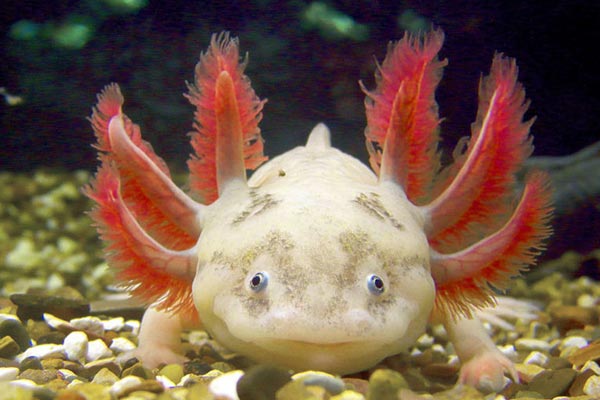
The axolotl, a native Mexican salamander, captivates many with its charm and distinctiveness. It is adorable appearance, and manageable care requirements have made it a rising star among pet enthusiasts. However, many people wonder if it’s safe to hold an axolotl.
The answer to this question could be clearer. Technically, you can hold an axolotl for a brief time if necessary, such as when you need to move them to clean their tank or change their water. However, experts advise against handling them unnecessarily.
Axolotls are delicate creatures that can easily be injured, stressed, or harmed by human interaction. As a result, it’s generally best to avoid touching or holding them unless it’s essential.
Understanding Axolotls as Pets
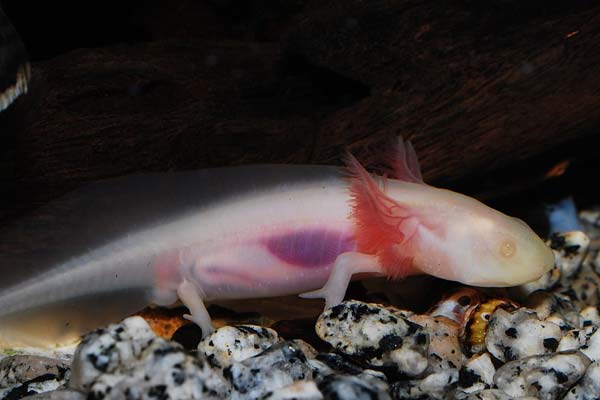
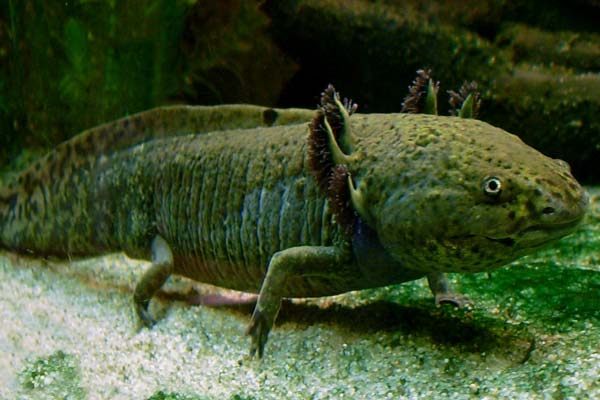
Axolotls are a popular choice for pet owners who want an aquatic companion. These unique creatures are a type of salamander that is completely aquatic.
Unlike most salamanders, axolotls do not undergo metamorphosis and remain aquatic their entire lives, relying on gills for breathing. While they are not pets you handle, they can still be entertaining and fascinating to observe in their aquatic habitat.
Popular Reasons for Keeping Axolotls as Pets
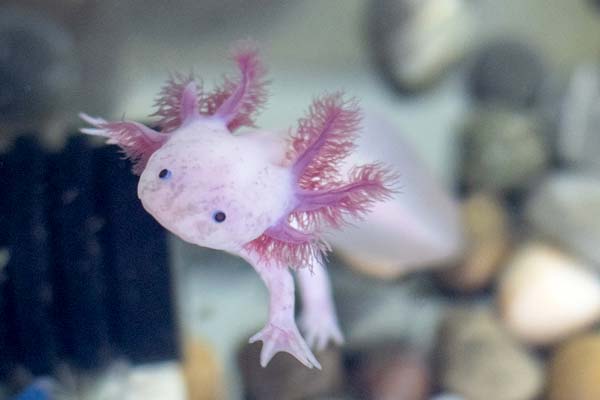
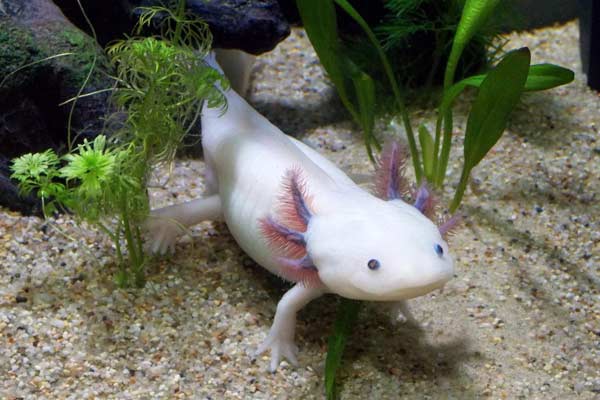
There are several reasons why axolotls are popular pets. For one, they are fascinating creatures to observe. Their smiling faces, curious attitudes, and beautiful gill coloration make them a great addition to any household aquarium.
Axolotls are beginner-friendly pets due to their easy care requirements, making them an excellent choice for first-time pet owners.
Appropriate Habitat, Tank Setup, and Feeding Requirements
When it comes to keeping axolotls, providing them with an appropriate habitat is crucial. Axolotls are native to Lake Xochimilco, Mexico, where they live in shallow, freshwater environments.
A suitable tank setup for axolotls should mimic their natural habitat, featuring a large, shallow tank with ample hiding places like rocks, plants, and caves.
Axolotls are carnivorous and feed on small aquatic animals, such as worms, insects, and small fish. They should be fed a diet of live or frozen food, as they do not recognize dead prey as food. It is essential to avoid overfeeding axolotls, as they are prone to obesity.
Can You Hold or Touch an Axolotl?
Axolotls are unique aquatic creatures known for their regenerative abilities and exciting appearance. However, certain precautions must be taken to ensure their safety and comfort when handling or touching them.
Axolotls’ Physical Attributes Affecting Handling
Axolotls have very sensitive skin that is easily damaged, making them susceptible to bacterial infections. Also, their limbs and tails are delicate and can be easily injured if handled improperly. Due to these physical attributes, handling axolotls with excellent care is vital.
Do Axolotls Like Being Handled or Touched?
Axolotls are not fond of being handled or touched. They are naturally skittish and prefer to be left alone. Picking them up or touching them can cause stress and even harm the axolotl. Therefore, handling them when necessary, such as cleaning their tank or administering medication, is recommended only.
Safe Holding Techniques and Proper Handling Guidelines
If it is necessary to hold an axolotl, specific guidelines should be followed to ensure their safety. The safest way to hold an axolotl is to use both hands and gently grip the body just behind the head while supporting the limbs and tail. It is essential to avoid squeezing or putting pressure on their body, as this can cause injury or stress.
When holding an axolotl, it is recommended to only do so for a brief period, no more than 1-2 minutes. This will prevent them from becoming stressed or injured. Additionally, washing your hands thoroughly before handling them is vital to avoid spreading harmful bacteria.
Risks and Considerations
There are several risks and considerations when it comes to holding an axolotl. Axolotls are delicate creatures with sensitive skin and gills requiring a specific environment to survive.
One risk to consider is axolotl aggression and potential biting. While axolotls are typically shy and not aggressive, they can become defensive or agitated if they feel threatened. This can result in them biting or latching onto a person’s hand or arm, which can be painful and potentially cause injury.
Another aspect to be aware of is the potential for poisonous or harmful substances in the water. Axolotls are sensitive to chemicals and toxins; exposure to these substances can be harmful or even fatal. Ensuring their water is free from toxic substances or pollutants is crucial.
Holding an axolotl out of water for an extended period can also have consequences. As amphibians, axolotls require water to breathe, and they absorb oxygen through their skin. Holding them out of water for too long can cause stress and damage their delicate bodies and gills.
It is necessary to support their body, keep them comfortable while handling them, and limit the time they are out of water.
Axolotls are delicate creatures that can quickly become stressed or injured by handling.
It is crucial to handle them with care and avoid any unnecessary pressure or movement. They have a protective layer on their skin that can be easily damaged, and injuries can lead to stress and potential health issues.
Alternatives and Best Practices
Axolotls are delicate creatures, and handling them should be minimal. However, there are alternatives and best practices that owners can follow to ensure their axolotls remain healthy and happy.
Observing Axolotls without Direct Handling
One of the best ways to interact with axolotls is to observe them. Axolotls are fascinating creatures with unique behaviors, and watching them can be just as rewarding as holding them.
Owners can observe their axolotls by setting up a comfortable environment and providing them with engaging activities.
Interactive Activities for Engagement
Owners can engage their axolotls in activities that do not involve direct handling. For example, owners can provide their axolotls with live food, such as brine shrimp or worms, stimulating their hunting instincts.
Owners can also transfer their axolotls to a feeding container for short periods, allowing them to interact with their axolotls without handling them.
Creating a Comfortable Environment for Axolotls
Creating a comfortable environment for axolotls is crucial for their health and well-being. Owners should ensure their axolotls have a tank large enough to move around, with plenty of hiding places and plants.
The water in the tank should be kept clean and at the right temperature, with a pump to ensure that the water is properly oxygenated.
Tank Care
Owners should regularly clean their axolotls’ tanks to prevent the buildup of harmful bacteria and other contaminants. When cleaning the tank, owners should use a net to transfer their axolotls to a temporary container filled with moist towels. This will protect their axolotls’ delicate organs and ensure they can breathe properly.
Feeding
Owners should feed their axolotls a varied diet of live food and commercial pellets. The food should be submerged in the tank to prevent the axolotls from accidentally ingesting air while feeding.
Research and Veterinarian
Owners should research before getting an axolotl to ensure they are prepared to provide the proper care. If owners notice any signs of illness or distress in their axolotls, they should consult a veterinarian specializing in exotic pets.
By following these alternatives and best practices, owners can ensure that their axolotls remain healthy and happy without needing direct handling.
FAQs and Additional Information
When holding an axolotl, owners may have several common questions. Here are some of the most frequently asked questions, along with answers from experts:
Q: Can axolotls be trained to be more comfortable with handling?
A: While axolotls can become used to being held, it is not recommended to try and train them to be more comfortable with handling. This is because holding an axolotl can still be stressful for them, and minimizing stress as much as possible is vital.
Q: Is it safe to hold an axolotl out of water?
A: Holding an axolotl out of water for an extended period is not recommended. Axolotls need water to breathe as they absorb oxygen through their skin. If an axolotl is held out of water for too long, it can cause harm to its health and well-being.
Q: What should owners do if their axolotl bites them?
A: Axolotls have tiny teeth, and their bites are usually not painful. However, cleaning the wound thoroughly to prevent infection is crucial if an axolotl bites an owner.
In addition to these common questions, there are a few additional pieces of information that owners should keep in mind when it comes to holding their axolotls:
- Axolotls are peaceful creatures and should not be kept with aggressive fish or other pets.
- Providing hiding places for axolotls can help them feel more secure in their environment.
- Axolotls are carnivorous and require a diet of bloodworms or other small, meaty foods.
- Axolotls can grow quite large, so it is crucial to have an appropriately sized tank for their needs.
Conclusion
In conclusion, axolotls are delicate creatures that require gentle handling. While it is possible to hold them, experts advise that it should be done only when necessary, such as cleaning their tanks or administering medicine.
Axolotls have highly sensitive skin, and their bodies are predominantly composed of cartilage, making them quite fragile. They become stressed quite quickly, especially when held.
It is important to note that axolotls are skittish and fearful creatures that do not like to be picked up. They are independent and prefer to be left alone. If you must handle an axolotl, use both hands and be gentle to avoid injury.
Axolotls are critically endangered in the wild, leading to a slowing in the aquarium trade. Therefore, it is vital to handle them with care to ensure their survival.