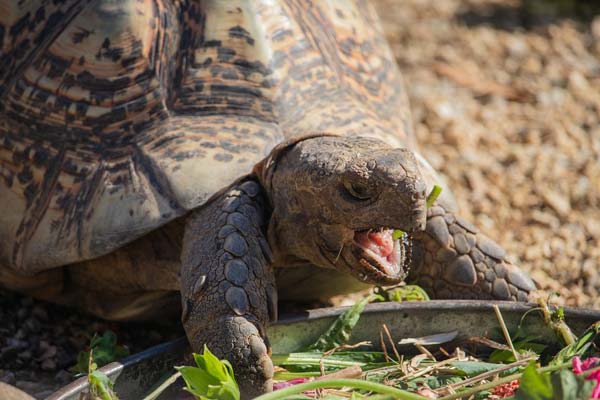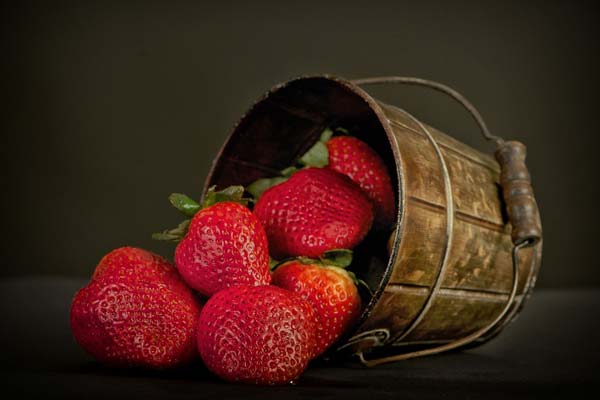
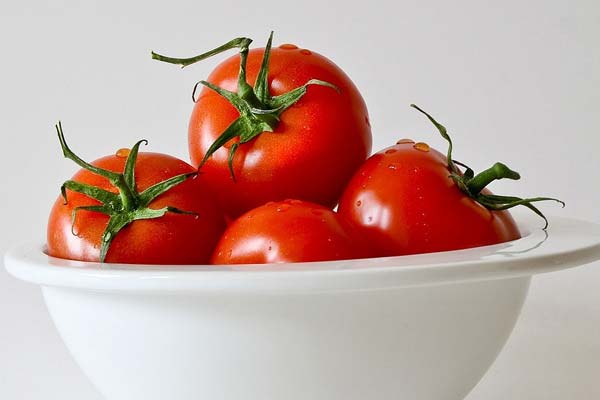
Can Tortoises Eat Tomatoes? A Guide to Feeding Your Tortoise
Tortoises are fascinating creatures that require a well-balanced diet to maintain their health. As a tortoise owner, knowing what foods are safe and beneficial for your pet is essential.
One question that often arises is whether tortoises can eat tomatoes.
The answer is yes; tortoises can eat tomatoes but in moderation.
Tomatoes are a nutritious addition to your tortoise’s diet, thanks to their plenty of antioxidants, vitamin C, and beneficial nutrients.
However, it is crucial to note that the leaves and stem of the tomato plant are poisonous to tortoises and should not be given to them.
It is also essential to remember that tomatoes should not make up a significant portion of your tortoise’s diet. While they can be a healthy addition to their meals, they should be balanced as they can negatively impact them.
Can Tortoises Eat Tomatoes?
Tortoises are known for their herbivorous diet, and it is not uncommon for pet owners to wonder if they can feed their tortoise’s tomatoes. The answer is yes but with some caveats.
Tomatoes are safe for tortoises to eat, but only in small quantities. Ripe tomatoes can be offered occasionally, but unripe tomatoes and tomato plants are toxic to tortoises and should never be fed.
It is important to note that tomatoes should not make up a significant portion of a tortoise’s diet. They are high in phosphorus, which can inhibit the absorption of calcium, an essential nutrient for the health of a tortoise’s shell. As such, tomatoes should only make up about 5-10% of a tortoise’s diet.
It is also crucial to ensure that the tomatoes fed to the tortoise are free of pesticides and other harmful chemicals. Organic tomatoes are the best option in this regard.
Health Benefits of Tomatoes for Tortoises
Tomatoes are a great source of hydration for tortoises due to their high water content. In addition to this, they also offer several health benefits that are great for tortoises. Some of the critical health benefits of tomatoes for tortoises are:
Vitamins and Nutrients
Tomatoes are rich in vitamins and nutrients essential for the proper functioning of a tortoise’s body. They are exceptionally high in Vitamin A, which supports healthy eyesight, and contain significant amounts of folate and niacin, essential for overall health.
Antioxidants
The antioxidant-rich nature of tomatoes makes them a valuable addition to your tortoise’s diet. These antioxidants protect the tortoise’s body from conditions such as heart disease and cancer. By neutralizing harmful free radicals, tomatoes help prevent cell damage and reduce the risk of infections in your tortoise’s body.
Nutritional Value
While tomatoes are not the most nutritious food for a tortoise, they are still an excellent addition to their diet. They are low in fat and calories, making them a healthy snack for tortoises. They also contain fiber, which is vital for maintaining healthy digestion.
It is important to note that while tomatoes are safe for tortoises to eat, they should not make up a large part of their diet. Tortoises are herbivores and require a varied diet of fruits, vegetables, and grasses to maintain their health. As with any new food, it is crucial to introduce tomatoes to a tortoise’s diet gradually and in small amounts to avoid any digestive issues.
How to Feed Tomatoes to Your Pet Tortoise
If you’re considering adding tomatoes to your pet tortoise’s diet, knowing how to feed them properly is essential. Here are some tips to keep in mind:
- Feed tomatoes in moderation: While tomatoes can be a healthy addition to a tortoise’s diet, they should be fed in moderation. Too many tomatoes can cause digestive issues or diarrhea. A small amount, about one cherry tomato, is enough for a fully-grown tortoise.
- Offer ripe tomatoes only: Unripe tomatoes can be toxic to tortoises, so make sure only to offer ripe tomatoes. Ripe tomatoes are also more nutritious and easier to digest.
- Cut tomatoes into small pieces: While cherry tomatoes can be fed whole, larger tomatoes should be cut into small pieces to make them more accessible for the tortoise.
- Include tomatoes as part of a balanced diet: Tomatoes should not be the main component of a tortoise’s diet. They should be included in a balanced diet of other vegetables and greens.
- Avoid feeding canned or processed tomatoes: Canned or processed tomatoes contain added salt or preservatives that can harm tortoises. Stick to fresh, ripe tomatoes.
Following these tips, you can safely incorporate tomatoes into your pet tortoise’s diet. As with any new food, monitoring your tortoise’s behavior and digestion is essential to ensure they tolerate it well.
Is There Anything Called Too Much Tomato?
While tomatoes are a safe and nutritious treat for tortoises, it is essential to remember that moderation is vital. Too much tomato can lead to digestive issues and other health problems.
Excessive consumption of tomatoes can cause diarrhea in tortoises, leading to dehydration and other complications. Additionally, tomatoes are high in sugar and can contribute to obesity if fed in large quantities.
It is recommended that tomatoes makeup no more than 10% of a tortoise’s diet and should be given in small amounts as a treat rather than a staple food.
If a tortoise consumes excessive tomatoes and displays signs of illness like vomiting or lethargy, it is critical to seek immediate veterinary care.
Foods That Should Be Avoided for Tortoises
When it comes to feeding tortoises, it is vital to be aware of the foods that should be avoided. While some foods may seem harmless or even healthy, they can cause harm to tortoises. Here are some foods that tortoise owners should avoid feeding their pets:
- Potatoes: Potatoes should be avoided in the diet of tortoises as they are high in starch and can lead to digestive issues.
- Bread: Bread is high in carbohydrates and low in nutrients. It can cause digestive problems and obesity in tortoises.
- Avocado: Avocado contains persin, a toxin that can harm tortoises. It can cause respiratory problems, heart failure, and death.
- Rhubarb: Rhubarb contains oxalic acid, which can be harmful to tortoises. It can cause kidney failure and death.
- Spinach: Due to its oxalic acid content, it is best to avoid feeding spinach to tortoises as it can bind with calcium and contribute to the risk of metabolic bone disease.
It is important to note that not all fruits and vegetables are safe for tortoises. While some may be healthy for humans, they can harm tortoises. It is always best to research the foods before feeding them to tortoises.
Ensuring a balanced and diverse diet is essential for tortoises. Along with avoiding specific foods, their diet should be fiber-rich and low in protein and fat. Additionally, it is crucial to provide them with constant access to fresh water.
Other Recommended Foods for Tortoises
Apart from tomatoes, tortoises require a balanced diet with leafy greens, vegetables, and fruits. Here are some other nutritious foods that a tortoise can eat:
Leafy Greens
Leafy greens are essential to a tortoise’s diet, offering an abundance of essential vitamins, minerals, and dietary fiber crucial for proper digestion. Some of the recommended leafy greens for tortoises include:
- Mustard greens
- Collard greens
- Dandelion greens
- Turnip greens
- Kale
- Endive
- Escarole
- Watercress
Vegetables
Vegetables are also an important part of a tortoise’s diet. They provide essential vitamins and minerals, including calcium, crucial for a tortoise’s shell development. Some of the recommended vegetables for tortoises include:
- Carrots
- Squash
- Sweet potatoes
- Bell peppers
- Green beans
- Zucchini
- Pumpkin
- Cucumber
Fruits
Fruits should be given in moderation as they contain high levels of sugar. However, they still provide essential vitamins and minerals. Some of the recommended fruits for tortoises include:
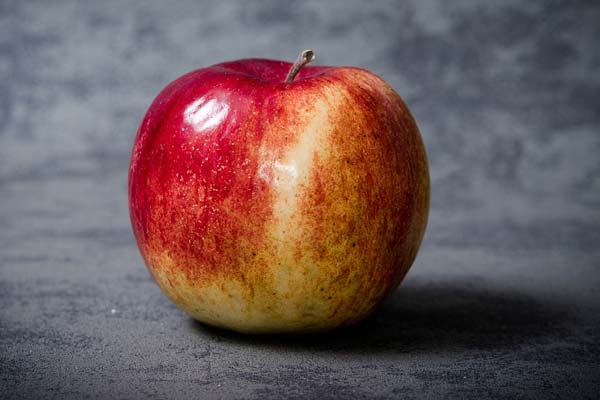
- Apples
- Berries
- Melons
- Mangoes
- Papayas
- Pears
- Plums
Grasses and Flowers
Tortoises enjoy eating grasses and flowers, which provide essential fiber and nutrients. Some of the recommended grasses and flowers for tortoises include:
- Timothy hay
- Alfalfa hay
- Clover
- Hibiscus flowers
- Rose petals
- Dandelion flowers
- Marigold flowers
It is important to note that tortoises have specific dietary requirements, and their diet should be carefully balanced to avoid health issues. While the above foods are recommended, it is essential to consult a veterinarian or a tortoise expert for specific dietary recommendations for your tortoise.
Types of Tortoises and Their Food Habits
Tortoises are herbivorous reptiles with different food habits based on their species and natural habitat. Some tortoises are adapted to living in desert regions, while others live in more temperate climates. Here are some common types of tortoises and their typical diets:
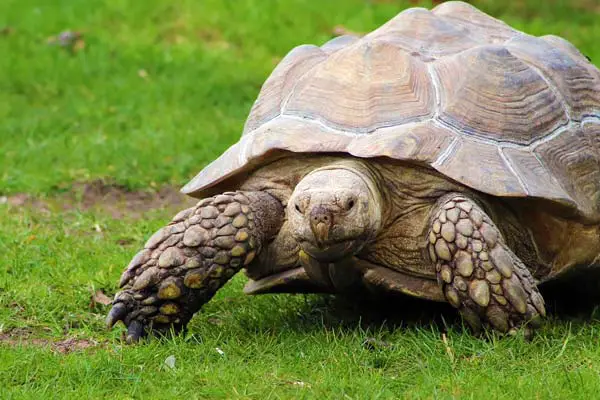
Sulcata Tortoises: Sulcata tortoises, also referred to as African spurred tortoises, originate from the Sahara desert. They are voracious eaters and consume various plants, including grasses, weeds, and flowers. They also require a high-fiber diet to maintain healthy digestion.
Desert Tortoises: Desert tortoises are found in the southwestern United States and northern Mexico. They feed primarily on native grasses, wildflowers, and cacti. Their unique adaptation allows them to store water in their bladder, which helps them survive in arid environments.
Russian Tortoises: Russian tortoises are native to Central Asia and are adapted to living in arid grasslands. They feed on various plants, including grasses, weeds, and flowers. They also require a calcium-rich diet to maintain healthy bones and shells.
Not all tortoises can eat tomatoes. Mediterranean or desert tortoises, such as the sulcata or Hermann’s tortoise, should eat tomatoes extremely rarely as their digestive tract doesn’t tolerate fruits well. However, Russian tortoises can eat small amounts of tomatoes as part of their diet.
Caring for a Tortoise: Things to Keep in Mind
When it comes to caring for a tortoise, there are a few things that need to be kept in mind. Tortoises are reptiles that require specific care to thrive. Here are some essential aspects to consider when caring for a tortoise:
Housing
Tortoises require a spacious enclosure that is safe, secure, and provides enough space for them to move around. The enclosure should be large enough to accommodate the tortoise’s size and have a basking area with a heat source. The temperature inside the enclosure should be maintained between 80-85°F during the day and 70-75°F at night.
Diet
Tortoises require a balanced diet high in fiber and low in protein. They should be fed a variety of vegetables, fruits, and grasses. It is important to avoid feeding them foods that are toxic to them, such as avocado, rhubarb, and chocolate.
Water
Tortoises require access to clean and fresh water at all times. It is vital to provide a shallow dish of water in the enclosure of tortoises, which should be changed daily to prevent the proliferation of harmful bacteria.
Shell Care
The shell of a tortoise is an essential part of its body, and it requires proper care. The shell should be kept clean and free from any debris or dirt. A tortoise’s shell may also need regular trimming to prevent overgrowth.
Health
It is essential to monitor a tortoise’s health regularly. Signs of illness include lethargy, loss of appetite, and respiratory issues. Any signs of disease should be addressed immediately by a veterinarian specializing in reptile care.
Can Any Turtle Eat a Tomato?
Turtles belong to the same class of reptiles as alligators and crocodiles and are omnivorous. They eat a combination of animals, including worms and caterpillars, as well as fruits, berries, and vegetation. So, can any turtle eat a tomato?
Yes, turtles can consume tomatoes, but it is crucial to approach this cautiously. Tomatoes can serve as a beneficial source of vitamins A and C for turtles; however, it is crucial to offer them in moderation.
Overfeeding tomatoes can lead to sugar spikes in blood levels, disturbed metabolism, and upset stomach.
It’s also important to note that tomatoes are high in acidity, which can cause stomach upset. Therefore, turtles should eat only a few tomatoes. In addition, turtles should avoid eating the leaves or stems of tomatoes as they can be poisonous.
When feeding turtles tomatoes, providing them with a varied diet that includes other fruits and vegetables is crucial. This will ensure they get all the necessary nutrients to stay healthy.
Conclusion
In conclusion, tortoises can eat tomatoes, but they should not be a significant part of their diet. Tomatoes contain phosphorus, which can inhibit the absorption of calcium, which is essential for the excellent health of the tortoise’s shell. Therefore, it is best to offer tomatoes to tortoises in moderation.
It is important to note that not all tortoise species are suited to consuming tomatoes. Tropical varieties such as yellow-foots and red-foots have digestive systems that can handle fruit consumption because they live in environments with many fruit trees. However, other species may need help to digest them.
Tortoises require a varied diet that mimics their natural diet as closely as possible. This should include various plants, grasses, and occasional fruits and vegetables. It is vital to research the specific dietary needs of your tortoise species to ensure they receive the proper nutrition.
FAQs
Can Tortoises Eat Tomato Leaves?
No, tortoises should not eat tomato leaves. Tomato leaves contain solanine, a toxic substance that can cause digestive problems, lethargy, and even death in tortoises. Therefore, removing tomato leaves before feeding them to your tortoise is essential.
Can Tortoises Eat Tomatoes Every Day?
No, tortoises should not eat tomatoes every day. While they are safe for tortoises to eat in moderation, tomatoes are not a staple. A balanced diet for tortoises should consist of various vegetables, fruits, and plants. Tomatoes can be a treat, but they should not make up a significant portion of the diet.
Can Sulcata Tortoises Eat Cherry Tomatoes?
Yes, sulcata tortoises can eat cherry tomatoes. Cherry tomatoes are safe and nutritious for sulcata tortoises to eat in moderation. However, they should not make up a significant portion of their diet. A balanced diet for sulcata tortoises should include various vegetables, fruits, and plants.
Can Baby Sulcata Tortoises Eat Tomatoes?
Yes, baby sulcata tortoises can eat tomatoes. However, like adult tortoises, they should only be given tomatoes in moderation. A balanced diet for baby sulcata tortoises should include various vegetables, fruits, and plants.
Can Tortoises Eat Grape Tomatoes?
Yes, tortoises can eat grape tomatoes. Grape tomatoes are safe and nutritious for tortoises to eat in moderation. However, they should not make up a significant portion of their diet. A balanced diet for tortoises should consist of various vegetables, fruits, and plants.