Can Cockatiels Eat Eggs? The Ultimate Nutritional Combo!
Cockatiels are lovely and intelligent birds that make wonderful pets. As a responsible pet owner, ensuring your feathered friend gets a balanced diet that meets their nutritional needs is essential. One question that often arises is whether cockatiels can eat eggs.
The answer is yes; cockatiels can eat eggs. Eggs are a beneficial source of protein, vitamins, and minerals for birds but should be given in moderation due to their high fat content. Always serve cooked plain eggs without added fats or seasonings to avoid potential health issues. Avoid feeding raw eggs to prevent bacterial illness.
If you’re feeding your cockatiel eggs, ensure they still receive a balanced diet with various fruits, vegetables, and other healthy foods. A well-rounded diet is essential for their overall health and well-being.
Nutritional Benefits of Eggs for Cockatiels
Eggs are an excellent protein source for cockatiels, an essential nutrient for their growth, development, and overall health.
In addition to protein, eggs contain various other beneficial nutrients for cockatiels, including calcium, minerals, vitamins, iron, amino acids, choline, magnesium, potassium, phosphorus, zinc, and selenium.
Egg Nutritional Information and Its Suitability for Cockatiels
Eggs, a nutritional powerhouse, boast 6 grams protein, 5 grams fat, and less than 1 gram carbohydrates. For cockatiels, this high-quality protein is packed with all the essential amino acids needed to support their overall health and well-being.
Eggs are also a good source of calcium, which is vital for developing and maintaining strong bones in cockatiels.
Additionally, eggs contain minerals and vitamins, including iron, choline, magnesium, potassium, phosphorus, zinc, and selenium, which are critical for cockatiels’ overall health and well-being.
Health Benefits of Eggs for Cockatiels
In addition to providing essential nutrients, eggs have several health benefits for cockatiels. For example, the choline in eggs is vital for maintaining healthy brain function, while the magnesium and potassium in eggs can help regulate blood pressure and support heart health.
Eggs also contain antioxidants, which can help protect cockatiels against oxidative stress and reduce the risk of chronic diseases. Additionally, the protein in eggs can help support healthy muscle development and repair in cockatiels.
Comparing Egg Nutritional Content with Other Suitable Foods for Cockatiels
While eggs are a great source of nutrition for cockatiels, it’s important to remember that they should be fed in moderation and as part of a balanced diet. Other suitable foods for cockatiels include fruits, vegetables, and seeds.
Unlike other foods, eggs are an excellent source of protein and calcium, making them an essential addition to a cockatiel’s diet. However, it’s important to remember that cockatiels also need other nutrients, including vitamins and minerals, in other foods.
Preparing Eggs for Cockatiels
Cockatiels can enjoy eggs as a treat, but it is essential to prepare them correctly to ensure they are safe and healthy for your bird. Here are some ways to prepare eggs for your cockatiel:
Raw Eggs
While wild cockatiels eat raw eggs, feeding your pet raw eggs is not recommended. Raw eggs can carry harmful bacteria, such as salmonella, which can make your bird sick. It is important to avoid feeding raw eggs to your cockatiel.
Boiled Eggs
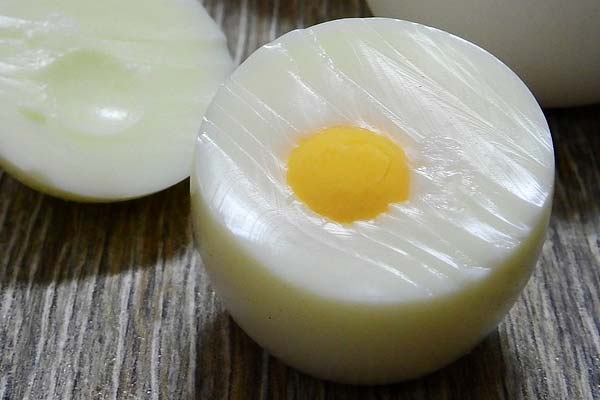
Boiled eggs are a safe and healthy way to give eggs to your cockatiel. Boil the egg for 10-12 minutes and let it cool before giving it to your bird.
Remove the shell and cut the egg into small pieces. You can also mash the egg with a fork to make it easier for your bird to eat.
Scrambled Eggs
Scrambled eggs are another way to give eggs to your cockatiel. Cook the eggs without oil or seasoning and let them cool before giving them to your bird. Add chopped vegetables, such as carrots or spinach, to the scrambled eggs for nutrition.
Can Cockatiels Eat Eggshells?
Eggshells are a good source of calcium for your cockatiel. However, it is essential to prepare them correctly.
Wash the eggshells thoroughly with soap and water and boil them for 10 minutes to kill bacteria. Crush the eggshells into small pieces and sprinkle them over your bird’s food.
Potential Risks and Precautions
While eggs can be a healthy addition to a cockatiel’s diet, there are some potential risks and precautions to remember. Cockatiels-fed eggs should be monitored closely for signs of digestive issues or other health problems.
Addressing Health Risks of Feeding Eggs to Cockatiels
Feeding raw eggs to cockatiels can pose a potential health risk due to salmonella contamination. Harmful bacteria in raw eggs can cause illness in both birds and humans. To mitigate this risk, ensure eggs are cooked thoroughly before offering them to your cockatiel.
Another potential health risk is the high cholesterol content of eggs. While a small amount of cholesterol can benefit birds, too much can be harmful.
Feeding eggs to your cockatiel in moderation and balancing their diet with other healthy foods is crucial.
Moderation and Avoiding Potential Issues
Feeding eggs to cockatiels too frequently or in large quantities can lead to potential health issues due to their high fat content, including weight gain. Regular exercise is essential to prevent these problems and maintain your bird’s health.
To avoid these issues, it is crucial to feed eggs to your cockatiel in moderation and to balance their diet with other healthy foods.
You should also avoid adding any salt, alcohol, spices, chocolate, caffeine, or other seasoning to their eggs, as these can be harmful to birds.
Consulting a Veterinarian Before Introducing Eggs into the Diet
If you are considering feeding eggs to your cockatiel, it is essential to consult with a veterinarian first. They can help you determine whether eggs are a good choice for your bird and guide how to introduce them into their diet safely.
Incorporating Eggs into Cockatiels’ Diet
There are several important factors to consider when incorporating eggs into a cockatiel’s diet. Here are some things to keep in mind:
Gradual Introduction and Observation
It is essential to introduce eggs into a cockatiel’s diet gradually. Start by offering a small amount of boiled or scrambled egg, and observe how your bird reacts.
If they enjoy it and show no signs of adverse effects, you can gradually increase the eggs in their diet.
Balancing Eggs with Other Suitable Foods
While eggs are a good source of protein, they should not be the only source of nutrition in a cockatiel’s diet. Balancing eggs with other suitable foods, such as seeds, fruits, and vegetables, is essential. This will ensure your bird receives a well-rounded diet that meets all its nutritional needs.
Monitoring Cockatiels’ Health After Introducing Eggs
After introducing eggs into your cockatiel’s diet, it is crucial to monitor their health closely. Look for any signs of digestive problems, such as diarrhea or vomiting. If you notice any issues, reduce or eliminate the amount of egg in their diet.
Other Important Nutrients
Eggs are a beneficial source of protein and essential nutrients for cockatiels, including vitamin D for bone health and vitamin B6, copper, and sodium.
Moderation is Key
While eggs are a nutritious addition to a cockatiel’s diet, they should be fed in moderation. Eggs are high in fat and calories, so overfeeding them can lead to weight gain and other health problems. It is recommended to limit egg intake to once or twice a week.
Feeding Cockatiel Eggs
Feeding cooked eggs to your cockatiel is crucial, as raw eggs may carry harmful bacteria. Boiled, scrambled, or baked eggs are safe options, but avoid adding salt, pepper, or other seasonings.
Cockatiel Eggs
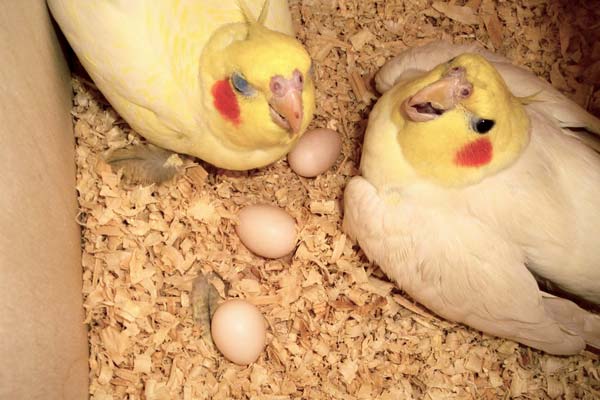
While cockatiels can eat chicken or quail eggs, it is not recommended to feed them their eggs. This can disrupt their natural breeding habits and cause stress and anxiety. If you have a male cockatiel, removing eggs from their cage is essential to prevent them from becoming territorial or aggressive.
Joy and Growth
Introducing eggs into a cockatiel’s diet can give them a new and exciting food source. When fed in moderation, eggs can help support your cockatiel’s growth and overall health.
Alternative Treats and Foods for Cockatiels
Cockatiels require a diverse and balanced diet to maintain their health and happiness. While eggs can offer good protein, it’s essential to provide them with various foods for their overall well-being.
Here are some alternative treats and healthy options for cockatiels:
Other Treats and Healthy Options for Cockatiels
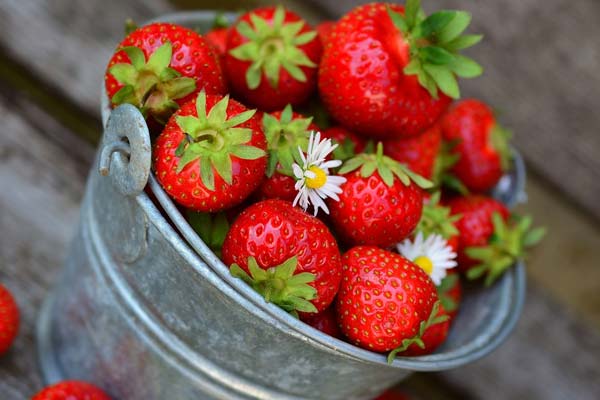
Fruits: Cockatiels love fruits like apples, bananas, grapes, and strawberries. Remove the seeds or pits, as they can harm birds.
Vegetables: Cockatiels enjoy broccoli, spinach, kale, peppers, and carrots. These are a great source of vitamins and minerals.
Nuts: Nuts such as walnuts and peanuts can provide cockatiels with valuable protein and healthy fats. However, offering them in moderation is essential due to their high calorie content.
Pellets: High-quality pellets are a great staple in a cockatiel’s diet. Look for pellets free from artificial colors, flavors, and preservatives.
Freshwater: Fresh water should always be available for cockatiels. Make sure to change their water daily and keep their water dish clean.
Foods to Avoid Giving Cockatiels
- Avocado: Avocado is toxic to birds and should be avoided.
- Sugar: Cockatiels don’t need sugar in their diet, so avoid giving them sugary treats.
- Chocolate: Chocolate is toxic to birds and should be avoided.
- Cheese: Cheese is high in fat and difficult for birds to digest.
- Feathers: Feathers are not a food source for cockatiels and can cause digestive problems if ingested.
Exploring a Diverse Diet for Optimal Nutrition
Cockatiels need a varied diet to get all the nutrients they need. A diverse diet can also help prevent boredom and encourage foraging behavior.
Try offering your cockatiel a mix of fruits, vegetables, nuts, and pellets. You can also provide treats like millet and fresh foods like cooked chicken and fish in moderation.
Leafy greens such spinach and kale are excellent for a cockatiel’s diet, packed with vitamins and minerals that support brain health. Remember to wash them thoroughly before offering them to your bird.
FAQs About Feeding Eggs to Cockatiels
Cockatiels can eat eggs, it is a good source of protein for them. However, many bird owners have questions about feeding eggs to their cockatiels. Here are some frequently asked questions and their answers.
How to Feed Eggs to Cockatiels?
There are different ways to feed eggs to your cockatiel. You can give them boiled, scrambled, or raw eggs. However, ensuring that the eggs are cooked properly and do not contain any seasoning or additives is crucial.
Mix eggs with other foods, such as cooked rice or vegetables. Remove any uneaten egg from the cage after a few hours to avoid spoilage.
Quantity and Frequency of Egg Feeding
Eggs should be fed to cockatiels in moderation, as they can be high in fat. Providing eggs once or twice a week is recommended, and only a tiny amount at a time. A quarter of a boiled egg or a teaspoon of scrambled egg is enough for a cockatiel.
Addressing Common Concerns and Related Questions
Can feeding eggs to cockatiels cause health problems?
Feeding eggs to cockatiels in moderation is not harmful. However, it is vital to ensure that the eggs are cooked properly and do not contain any seasoning or additives. Raw eggs can include bacteria that can be harmful to birds.
Can feeding eggs to cockatiels change their behavior?
Feeding eggs to cockatiels is not likely to change their behavior. However, some birds may become territorial over their food and aggressive toward other birds or their owners.
Can feeding eggs to cockatiels improve their health?
Eggs are a great source of vitamins, protein, and minerals, which can benefit the health of cockatiels. However, it is crucial to feed eggs in moderation and as part of a balanced diet that includes other foods, such as fruits, vegetables, and seeds.
Can feeding eggs to cockatiels affect their egg-laying?
Feeding eggs to cockatiels is not likely to affect their egg-laying. However, ensuring that female birds are not overfed is vital, as this can lead to obesity and health problems.
In summary, feeding eggs to cockatiels can be a healthy addition to their diet when done in moderation and with proper preparation. Addressing any concerns or questions with a veterinarian or avian specialist is crucial.