Do Tree Frogs Need a Heat Lamp? Expert Insights on Their Temperature Needs
Tree frogs are fascinating creatures; keeping them as pets can be an enjoyable experience. However, it is essential to understand their temperature needs to ensure they remain healthy and happy. One of the most common questions that arise when it comes to tree frog care is whether they need a heat lamp.
The answer to this question is complex. While some species of tree frogs require a heat lamp to maintain their body temperature, others do not. It is crucial to research the specific needs of the species you plan to keep before making any decisions about heating equipment.
Understanding the temperature needs of tree frogs is vital for their well-being. As cold-blooded creatures, tree frogs cannot regulate their body temperature internally.
Consequently, they depend on external heat sources to sustain their body heat. Thus, creating a suitable environment catering to their specific temperature requirements is crucial to ensure optimal health.
Temperature Regulation in Tree Frogs
As cold-blooded animals, tree frogs cannot internally regulate their body temperature. Consequently, they depend on external heat sources to sustain their body temperature. Therefore, temperature regulation is vital to their survival and overall health.
Providing appropriate temperature conditions is essential for the well-being of tree frogs. The temperature in their environment should be maintained within a specific range to ensure they can carry out their physiological processes efficiently.
If the temperature is too low, their metabolism slows down, and they become lethargic. On the other hand, if the temperature is too high, they may become dehydrated, and their organs may fail.
Regular temperature monitoring using a thermometer is crucial to maintaining the appropriate environment for tree frogs. The enclosure should ideally maintain temperatures between 75-85°F through the day and 65-75°F at night.
A heat lamp is essential in maintaining the appropriate temperature conditions for tree frogs. The heat lamp provides a heat source, which the tree frogs can use to regulate their body temperature. However, it is essential to note that not all heat lamps are created equal, and choosing the right type for your tree frog is essential.
Heat Sources for Tree Frogs
Maintaining an optimal temperature is essential for the health and well-being of tree frogs. Ectothermic animals rely on external sources to regulate their body temperature. Heat lamps are a popular choice for providing heat to tree frog enclosures.
Exploring the Role of Heat Lamps in Maintaining Optimal Temperature
Heat lamps emit infrared radiation, generating a temperature gradient within the enclosure. This enables tree frogs to regulate their body heat by moving to warmer or cooler areas as necessary.
A digital thermometer/hygrometer is advisable to monitor temperature and humidity levels accurately. For optimal conditions, most tree frogs thrive in a temperature between 75-85°F (24-29°C) and a humidity level of 50-80%.
Comparing Heat Lamps with Other Heating Devices
While heat lamps are a popular choice for providing heat to tree frog enclosures, other heating devices can also be used. Ceramic heat emitters and radiant heat panels are two examples of heating devices that emit heat without light.
Heat mats or pads are another option, but they are not recommended as the sole source of heat since they only warm the area directly beneath them and do not create a temperature gradient.
Assessing the Suitability of Heat Pads for Tree Frogs
Heat pads or mats can be used with a heat lamp to provide additional warmth to the enclosure. However, they should not be the sole source of heat.
Additionally, it is crucial to ensure that the heat pad is not too hot, as it can burn the frog’s skin and lead to health problems. It is recommended to use a thermostat with a probe to regulate the temperature of the heat pad and prevent overheating.
Do Tree Frogs Need a Heat Lamp?
Tree frogs are fascinating creatures that require specific environmental conditions to thrive. Temperature regulation is one of the most important factors when caring for tree frogs. As ectothermic animals, tree frogs rely on external sources to regulate their body temperature. This is where heat lamps come in.
Heat Lamp Considerations for Various Tree Frog Species
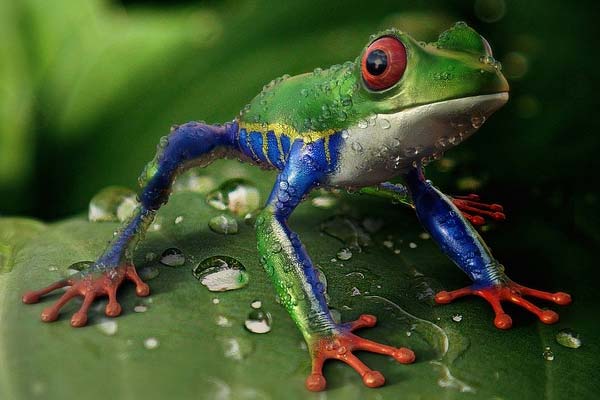
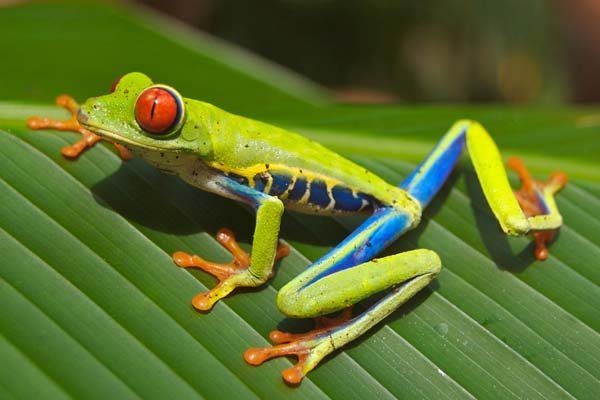
Not all tree frog species have identical temperature requirements. For instance, the Red-eyed Tree Frog may require higher temperatures than other species. Therefore, it is crucial to conduct thorough research on the specific temperature needs of your tree frog species before acquiring a heat lamp.
Determining the Ideal Temperature Range for Tree Frogs
For accurate information on the ideal temperature range for your tree frog, it is advisable to refer to a reliable care sheet or consult a veterinarian. Tree frogs typically thrive in temperatures ranging from 75-85°F during daylight hours and 65-75°F at night. Creating a temperature gradient within the enclosure is important to ensure the health and well-being of your tree frog.
Understanding the Benefits and Drawbacks of Heat Lamps
Heat lamps provide several benefits for tree frogs, including maintaining a consistent temperature and promoting healthy digestion and metabolism. However, there are also some drawbacks to consider. Heat lamps can be expensive to operate and maintain, and they can also dry out the enclosure, leading to low humidity levels.
Factors Affecting Tree Frog Heat Requirements
When it comes to keeping tree frogs as pets, providing them with a suitable environment that meets their specific temperature needs is essential.
Several factors can influence a tree frog’s heat requirements, including tank setup and environmental factors, the need for supplemental UV light, and the role of humidity in maintaining proper heat levels.
Tank Setup and Environmental Factors Influencing Temperature Needs
The temperature requirements of tree frogs can vary depending on their species and natural habitat. Generally, tree frogs are comfortable in temperatures ranging from 75-85°F during the day to 65-75°F at night.
It is vital to provide a temperature gradient in the tank, with a warmer and cooler area, so the tree frog can regulate its body temperature as needed.
Factors such as the size of the tank, the type of substrate used, and the presence of other heating elements can also affect the temperature in the tank.
For this reason, it is recommended to use a digital thermometer/hygrometer to monitor the temperature and humidity levels in the tank and make adjustments as needed.
Addressing the Need for Supplemental UV Light
While some species of tree frogs require UV light to synthesize vitamin D3, which is essential for proper bone development, others do not. Therefore, it is vital to research the specific species of tree frog you have to determine if they require supplemental UV light.
If your tree frog requires UV light, providing a UVB bulb that emits the appropriate wavelength and intensity is crucial. It is also vital to ensure that the tree frog has access to shaded and unshaded areas in the tank, as excessive exposure to UV light can be harmful.
Examining the Role of Humidity in Maintaining Proper Heat Levels
Humidity is another critical factor when maintaining proper heat levels for tree frogs. Generally, tree frogs require around 50-70% humidity to stay healthy and comfortable.
To maintain proper humidity levels, it is recommended to mist the tank regularly and provide a water dish for the tree frog to soak in. Choosing a substrate that can retain moisture, such as coconut fiber or sphagnum moss, is also essential.
Special Consideration: Green Tree Frogs
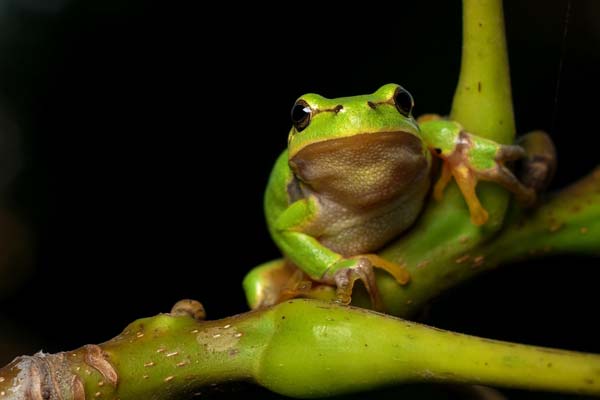
Green tree frogs are a popular species of tree frogs kept as pets. Regarding heating requirements, green tree frogs have specific needs to be met.
Heat Lamp Requirements Specific to Green Tree Frogs
Green tree frogs thrive in a 75-85 degrees Fahrenheit temperature range. To maintain this temperature range, a heat lamp can be utilized. Ceramic heat emitters are a suitable heating option, although they may contribute to faster habitat drying than other alternatives. Monitoring humidity levels is crucial to ensure the habitat remains appropriately dry.
Establishing Suitable Temperature Conditions for Green Tree Frogs
To establish suitable temperature conditions for green tree frogs, it is vital to use a thermometer to measure the temperature in the habitat.
The heat lamp should be placed on one side of the habitat to create a temperature gradient. This will allow the green tree frog to move to the cooler side of the habitat if it becomes too warm.
Evaluating the Necessity of UVB Lighting for Green Tree Frogs
UVB lighting is not necessary for green tree frogs. However, it can be beneficial for their overall health. UVB lighting can help to stimulate appetite, promote activity, and improve bone health. If UVB lighting is used, it should be provided for 10-12 hours per day.
Tips for Heat Management in Tree Frog Tanks
Maintaining the correct temperature is crucial for the health and well-being of your tree frogs. Here are some tips to help you manage heat in your tree frog tank:
Optimal Temperature Ranges for Different Tree Frog Species
Different tree frog species have varying temperature requirements. It is essential to research the specific needs of your tree frog species to ensure you are providing the optimal temperature range.
For example, White’s tree frogs require temperatures between 75°F to 85°F throughout the day and between 65°F to 75°F at night. Green tree frogs, on the other hand, prefer temperatures between 75°F to 80°F through the day and between 65°F to 70°F at night.
Adjusting Temperature Levels for Seasonal Changes
Adjusting temperature levels in your tree frog tank to accommodate seasonal changes is vital. You may need to provide additional heat during winter to maintain the optimal temperature range.
You can use a heat lamp or a ceramic heater to provide additional heat. It is crucial to monitor the temperature closely to ensure it does not get too hot or too cold.
Balancing Natural Lighting and Nocturnal Temperature Needs
Tree frogs are nocturnal creatures, which means they are active at night and sleep during the day. They require a balance of natural lighting and nocturnal temperature needs.
During the day, provide natural lighting by placing the tank near a window or using a UVB light. Please turn off the lights at night and provide a cooler temperature range to simulate their natural environment.
Conclusion
In conclusion, a heat lamp for tree frogs depends on their specific requirements. Being ectothermic animals, tree frogs rely on external sources to regulate body temperature, necessitating a suitable temperature gradient in their enclosure for their well-being.
For instance, Red-Eyed Tree Frogs, found in regions with temperatures rarely falling below 65°F or exceeding 85°F, require a heat lamp to maintain warmth. In contrast, Green Tree Frogs native to the southeastern United States can tolerate a wider temperature range and do not need a heat lamp.
Choosing the appropriate heat lamp is crucial. Excessive heat can harm the frog, while preliminary heat can lead to illness. A thermostat is recommended to regulate the enclosure’s temperature to prevent overheating.